
International Day of Care and Support 2025
In July 2023, the United Nations General Assembly proclaimed October 29 as the International Day of Care and Support , marking a major step towards recognizing the contribution of care to people's development and social well-being.
Care work is intertwined with multiple dimensions of inequality, including gender, class, race, generation, and territory, among others. It is frequently treated as a private matter, naturalizing the idea that it is the responsibility of families and, within them, of women. In this sense, care work is not recognized as work and is primarily unpaid. Furthermore, for most of the population, access to care is contingent upon the existence of family and social networks that provide it, or on the availability of resources to obtain it through the market.
In Latin America and the Caribbean, there have been advances in terms of public policies regarding care, and also setbacks, and in general terms we are still far from the implementation of comprehensive care systems.
It is necessary to recognize and value care as essential for the subsistence and development of people and social well-being, giving it the status of a universal and inalienable human right, and ensuring decent remuneration and working conditions for caregivers.
What does care teach us about the future we want?
InfoCLACSO of October 29, 2025
Since 2024, CLACSO has been part of the Global Care Alliance , the first multi-stakeholder global community, co-convened by the Government of Mexico, through INMUJERES, and UN Women. This alliance facilitates and fosters spaces for dialogue, analysis, and the exchange of experiences and lessons learned regarding care work, recognizing it as a need, a form of work, and a right. It is a collaborative effort between governments, civil society, professional associations, the philanthropy sector, international organizations, and academia, with the aim of implementing the care agenda from the local to the global level.
The Global Care Alliance is based on the transformative paradigm of the care society to promote sustainable development, gender justice, women's empowerment and the well-being of all people.
Articulation of feminist organizations, made up of academia and civil society from 6 countries (Bolivia, Colombia, Cuba, Spain, Mexico, Peru), a regional network (CLACSO) and an international organization (Oxfam).
The Inter-American Court of Human Rights recognized care as an autonomous human right , which includes the right to care, to be cared for, and to self-care. This analysis is by Laura Pautassi , Principal Researcher at the National Scientific and Technical Research Council (CONICET) of Argentina, who chairs the Latin American Team for Justice and Gender (ELA).
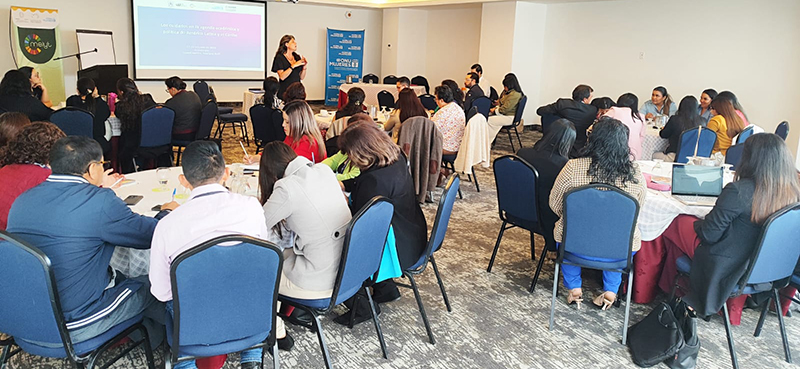
School of Care and Public Policy in Guatemala
The initiative brought together officials from different regions of the country within the framework of the School on Care and Public Policy in Central America, promoted by CLACSO, We Effect, UN Women, and the Government of Guatemala. The activities took place during the week of International Care Day. November 2025.
XVI Regional Conference on Women
The Latin American Council of Social Sciences participated in the XVI Regional Conference on Women held in Mexico City from August 12 to 15, 2025, under the theme "Transformations in the political, economic, social, cultural and environmental spheres to promote the care society and gender equality."
“We must advance the care agenda in a coordinated manner across the region,” said Magela Romero.
“Care policies must be designed in a situated way and with the communities” Nora Goren
Recognize, redistribute, and reduce caregiving tasks
Masterful Dialogue #CLACSO2025: Care from a feminist perspective: tensions, recognitions and transformations
Forum "Critical perspectives on care, gender equality and social justice"
-Documentary The Care Block in Ciudad Bolívar, Bogotá, Colombia: « Caring for those who care «
I take care, you take care… does he take care? – InfoCLACSO, October 23, 2024
“When we talk about care, we are talking about building equality,” Karina Batthyány
“Combining care work and youth issues leads to a change in the sexual division of labor”
“Care is part of the public sphere and is a human right,” Karina Batthyány
“States must create decent work in the care economy,” Ana Güezmes García
“Care must be a global agenda as an exercise of rights,” Laura Pautassi

Forum on Policies and Care Systems, Experiences from Latin America , held on July 22 at EAFIT University in Medellín, Colombia
“Care is a concept under construction” – Interview by Eleonor Faur with Karina Batthyány , former Executive Director of CLACSO, at the Interdisciplinary School of Higher Social Studies, UNSAM, Argentina.
“The sexual division of labor continues to operate very strongly in Latin America and the Caribbean” – Column by Karina Batthyány in InfoCLACSO – July 19, 2023
Shared dialogues: “Economy of care and the right to care: a gender approach”.
Is care a human right? – InfoCLACSO, September 11, 2024
Special Report: Care Policies from Cuba – InfoCLACSO, May 3, 2023
Special report from Santo Domingo “Society of care and life practices” – InfoCLACSO April 26, 2023
“Cuba is one of the most aged countries in the region, we have to think about care,” said Magela Romero Almodóvar , a tenured professor at the University of Havana and coordinator of the Cuban Network for Studies on Care.
“Care work should be recognized as work, but also as a right,” Natalia Moreno Salamanca , Director of the District Care System at the Bogotá Women's Secretariat of the Colombian District Women's Secretariat.
CLACSO Working Group “Care and Gender ”
Forum “Society of Care and Policies of Life” – April 20 and 21, 2023
Forum “Contemporary challenges in care. Demographic and political dynamics” – April 25-27, 2023
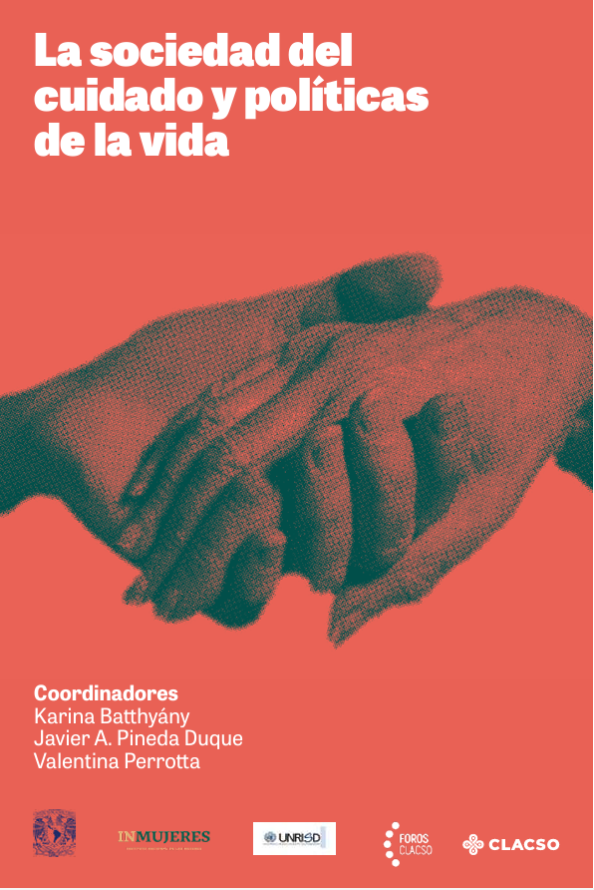
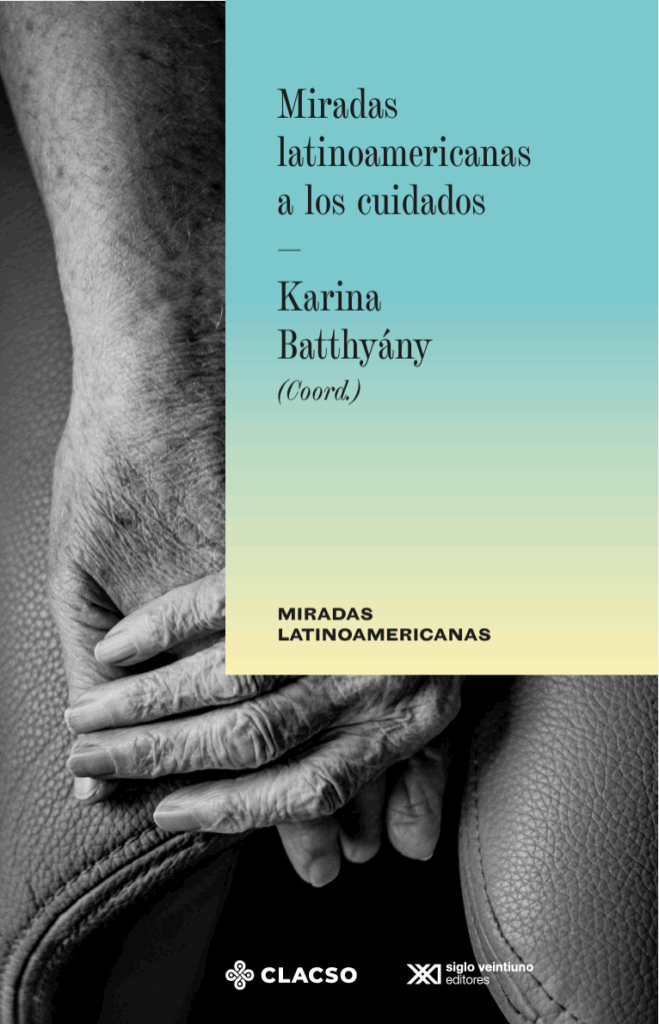
Latin American perspectives on care – Karina Batthyány (coord.)
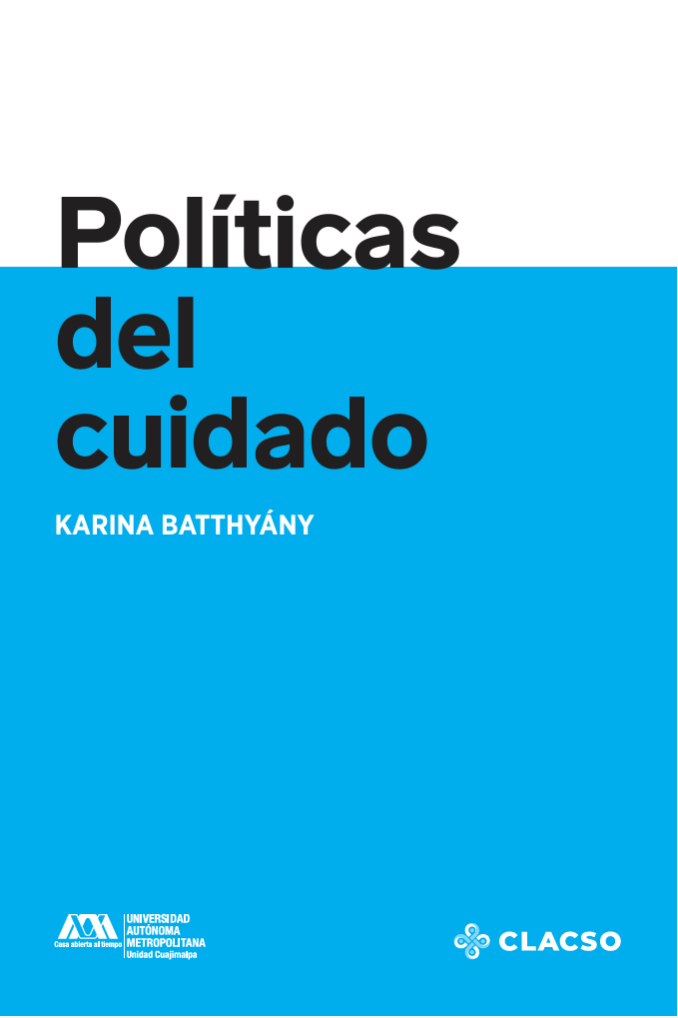
Policies of care – Karina Batthyány [Author]
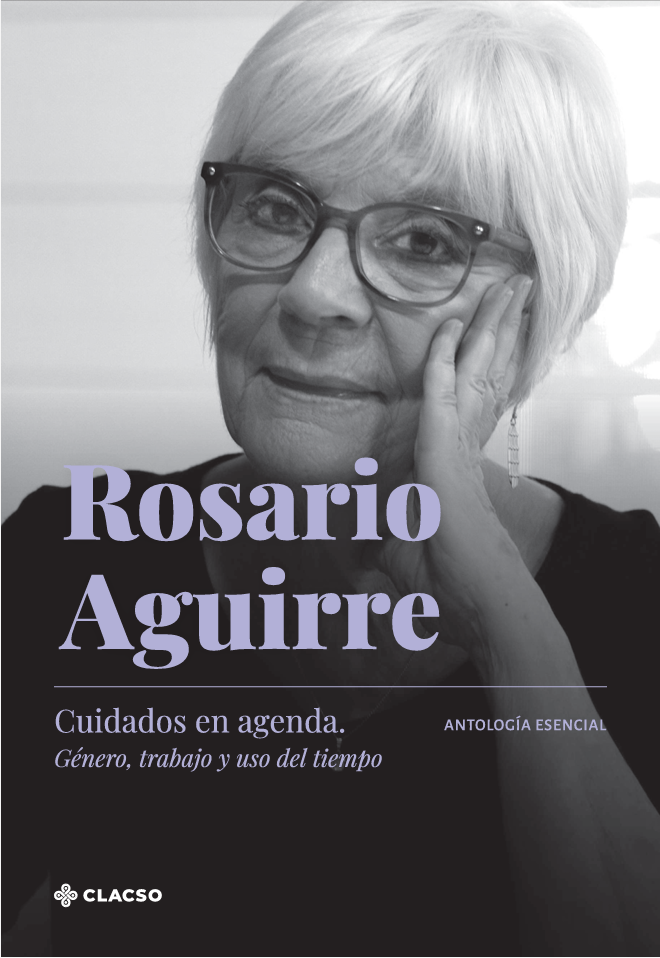
Rosario Aguirre. Care on the agenda: gender, work and time use – Essential Anthologies Collection
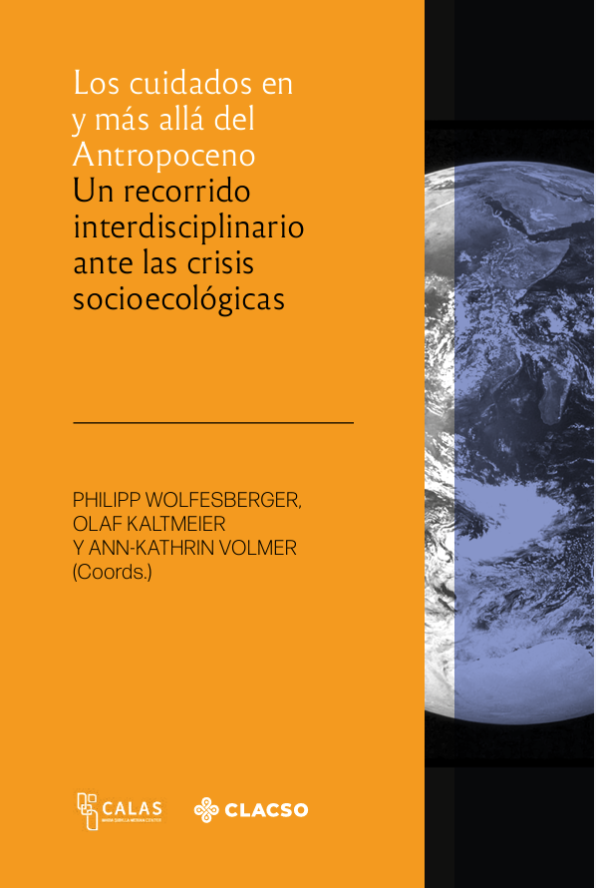
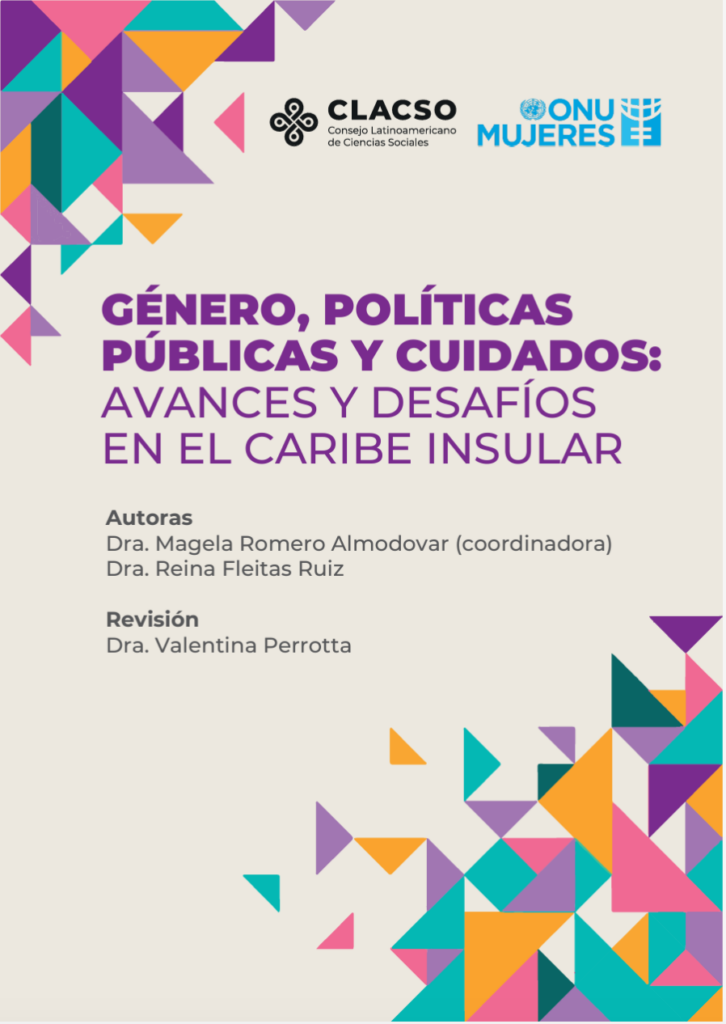
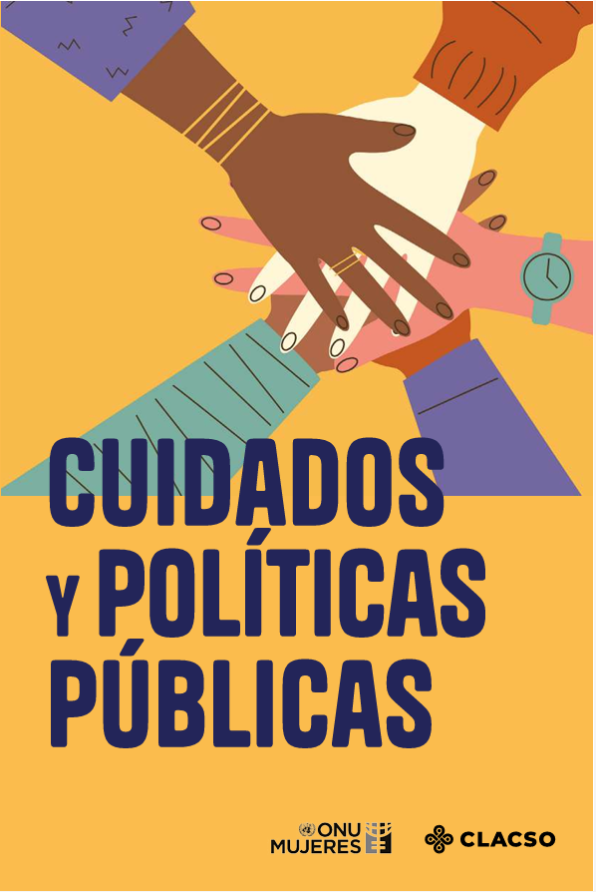
Care and public policies – Karina Batthyány, Cecilia Alemany [Presentation]
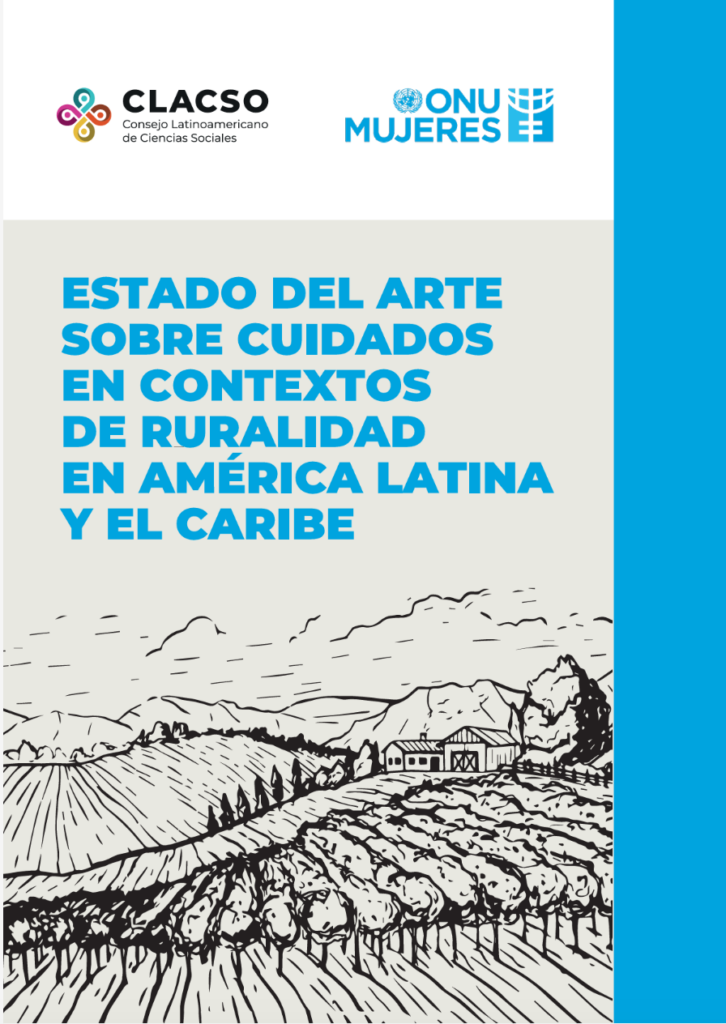
Library of Women, Gender and Diversity. Ministerial Archive (Argentina, 2019-2023)
Latin American perspectives on care – CLACSO Classroom
See this post on Instagram
See this post on Instagram
See this post on Instagram

