
"States must create decent work in the care economy"
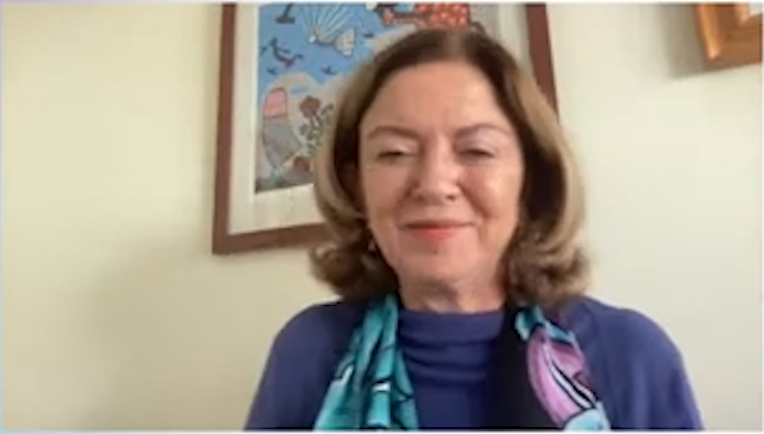
In the InfoCLACSO of September 11, “Is care a human right?”, Ana Güezmes García, Director of the Gender Affairs Division of the Economic Commission for Latin America and the Caribbean (ECLAC), spoke with CLACSO.tv.
Referring to the progress made regarding care in Latin America and the Caribbean, Güezmes García emphasized: “This is a region that is talking about care (…). The problem is that these issues aren't front-page news, and we usually talk more about denialism and the racism that painfully permeates our region than about this increasingly consistent movement toward change. Now, we want this change to happen faster. And we want to ensure that there are no setbacks. For these to be major transformations, they have to be transformations of society. That's why ECLAC proposed this idea of a care society. It's not about a care state; it's about society organizing itself around a new paradigm: sustaining life, maintaining life—our own, the lives of others, and the life of the planet. So, the question is, what kind of state do we need for this care society? That's where the issues of human rights, decent work, and sectoral policies come in.”
She also noted: “I think this issue of the Global Care Alliance, the Regional Conference on Women, and the increasing number of groups seeking these transformations, in a very difficult context, because the reality is that governments have very little fiscal space… Part of what is being brought up in various global conversations is: a reform of the international financial system, of the financial architecture, is needed. Latin America and the Caribbean are particularly affected; most of the countries are in debt. So, I think the issues of debt, climate finance, and tax evasion are very relevant to the conversation about care.”
“The care society is a response to overcome the crisis and to build a future of equality and solidarity. It is a response that we are taking to global and national forums, and we want it to translate into this: the creation of decent work in the care economy, and progress in protecting the rights of both caregivers and those receiving care,” she added.
Interviewed by Gustavo Lema.
If you would like to receive more information about CLACSO's training programs:
[widget id=”custom_html-57″]
to our email lists.

