
International Day of Care and Support
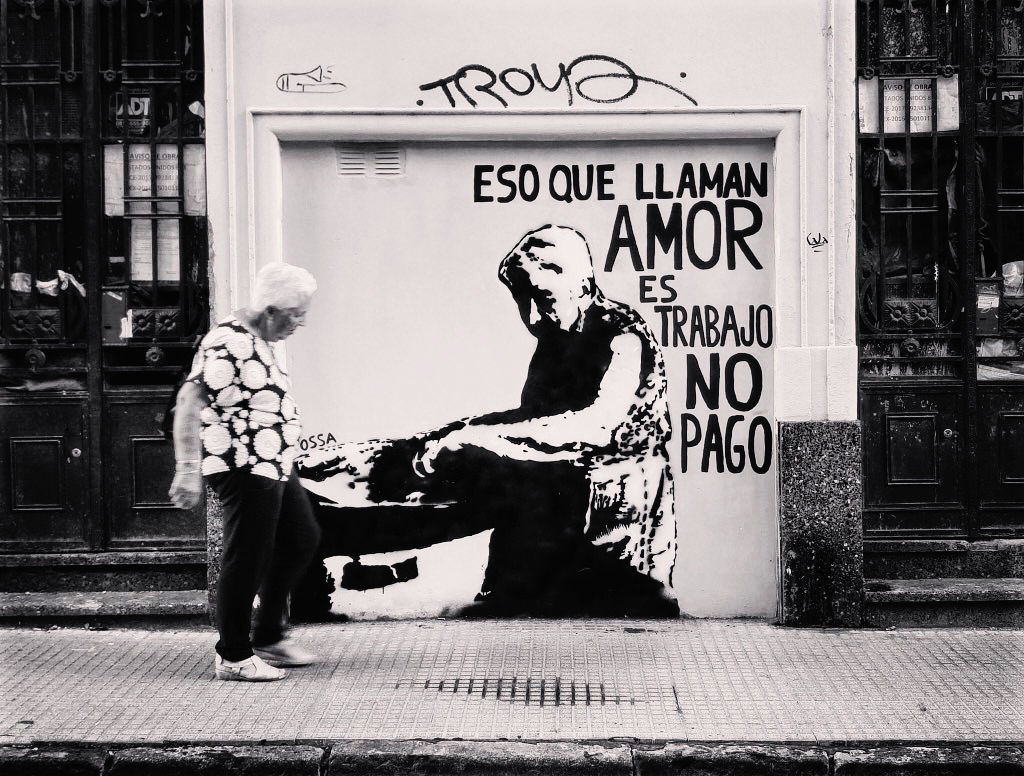
October 29
In July 2023, the United Nations General Assembly proclaimed October 29 as International Day of Care and SupportThis is a huge step towards recognizing the contribution of care to people's development and social well-being.
The unjust organization of care work is a critical knot in the web of social inequalities. Care work cuts across multiple dimensions of inequality, such as gender, class, race, generation, and territory, among others.
Caregiving is frequently treated as a private matter, normalizing the idea that it is the responsibility of families and, within them, of women. In this sense, caregiving is not recognized as work and is primarily unpaid. Furthermore, for most of the population, access to care is contingent upon the existence of family and social networks that provide it, or on the availability of resources to obtain it through the market.
In Latin America and the Caribbean, there has been progress in terms of public policies related to care. However, we are still far from implementing comprehensive care systems. It is necessary to recognize and value care as essential for people's survival and development and for social well-being, granting it the status of a universal and inalienable human right, and ensuring fair compensation and decent working conditions for caregivers.
"Combining care work and youth issues leads to a change in the sexual division of labor."
"Care is part of the public sphere and is a human right," Karina Batthyány
“States must create decent work in the care economy,” Ana Güezmes García
“Care must be a global agenda as an exercise of rights,” Laura Pautassi
Forum on Policies and Care Systems: Experiences from Latin America, held on Monday, July 22nd at EAFIT University in Medellín, Colombia
"Care is a concept under construction" – Interview with Karina Batthyány, Executive Director of CLACSO, at the Interdisciplinary School of Higher Social Studies, UNSAM.
“The sexual division of labor continues to operate very strongly in Latin America and the Caribbean” – Column by Karina Batthyány in InfoCLACSO – July 19, 2023
Shared dialogues: "Care economy and care rights: a gender approach."
Is care a human right? – InfoCLACSO, September 11
Special Report: Care Policies from Cuba – InfoCLACSO, May 3, 2023
Special report from Santo Domingo “Society of care and life practices” – InfoCLACSO, April 26, 2023
“Cuba is one of the most aged countries in the region; we need to think about care.”Magela Romero Almodóvar, tenured professor at the University of Havana and coordinator of the Cuban Network of Studies on Care.
“Care work should be recognized as work, but also as a right.”, Natalia Moreno Salamanca, Director of the District Care System at the Bogotá Women's Secretariat of the District Women's Secretariat of Colombia.
Documentary "Caring for those who care" – The Care Apple, Bogotá, Colombia.
CLACSO Working Group on Care and Gender
Forum “Society of Care and Policies of Life” – April 20 and 21, 2023
Forum “Contemporary challenges in care. Demographic and political dynamics” – April 25-27, 2023
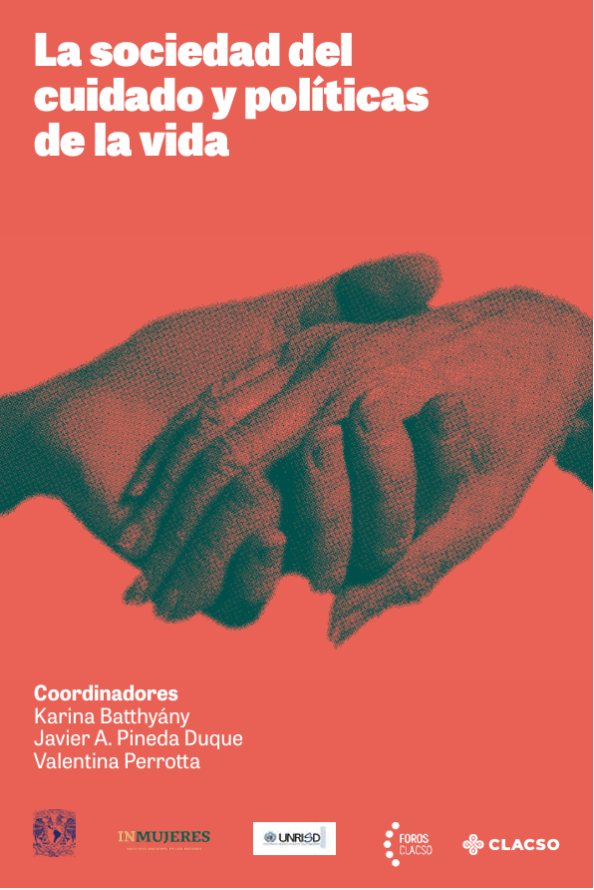
Latin American perspectives on care – Karina Batthyány (coord.)
Policies of care – Karina Batthyány [Author]
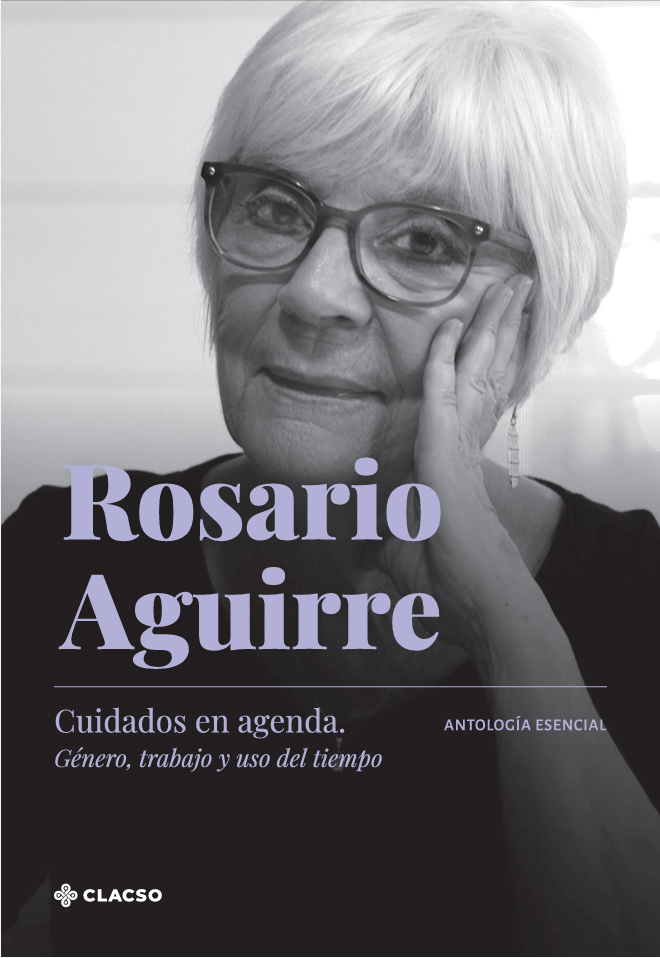
Rosario Aguirre. Care on the agenda: gender, work and time use – Essential Anthologies Collection
Care and public policies – Karina Batthyány, Cecilia Alemany [Presentation]
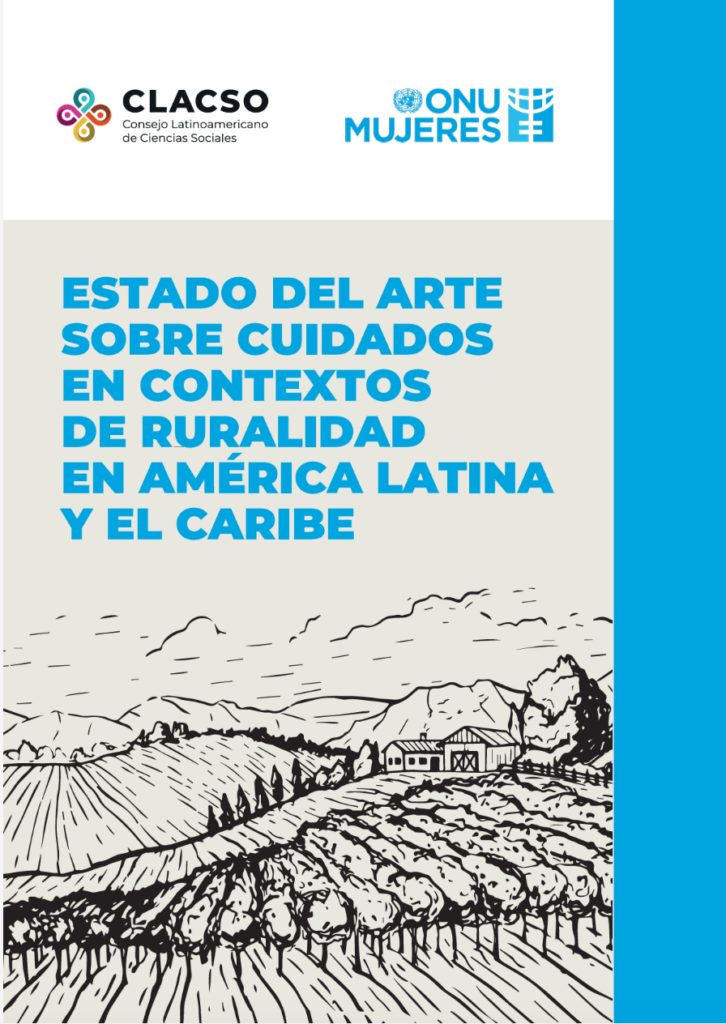
Library of Women, Gender and Diversity. Ministerial Archive (Argentina, 2019-2023)
Latin American perspectives on care – CLACSO Classroom
If you would like to receive more information about CLACSO's training programs:
[widget id=”custom_html-57″]
to our email lists.

