Social movements and activism in Latin America and the Caribbean
The history of social and political struggles in Latin America and the Caribbean is broad, diverse, and complex, encompassing a vast spectrum of strategies, actors, and horizons. Collective action, as the driving force of social transformation, takes on diverse forms of organization, is sustained by different actors and subjects, and establishes distinct relationships with the State and political institutions. This platform aims to become a space for reflection and understanding of all these forms and their potential connections.
We seek convergence and collaboration among this diversity of movements and forms of collective action, aiming for a deeper understanding of their divergences and affinities, limitations and potential, always with the goal of fostering collaboration among them to strengthen anti-capitalist struggles against oppression and for freedom and justice. The focus is on understanding current movements and activism, their strategies, actors, potential, and threats, always considering them from a historical perspective and drawing on the memories of struggles that, although reinvented and reinterpreted, are rooted in long-standing practices and trajectories. In this sense, it is crucial to examine the power of collaboration among diverse forms of activism and movements, seeking to understand and confront the limits and difficulties of joint action, always from a historical perspective. For example, the collaboration between anti-capitalist, anti-racist, and anti-patriarchal struggles.
In Latin America and the Caribbean, the relationship between activist groups and movements with the state is often conflictive, constituting a source of debate and even internal conflict within organizations. Therefore, it is necessary to consider the actual and/or potential relationship with the state as an important dimension to analyze, addressing elements such as authoritarian responses to struggles through repression, but also through strategies of tolerance and/or co-optation; the relationship with progressive governments; and the institutionalization of popular demands.
In conceptual terms, we propose a broad perspective that allows for the convergence of a multitude of practices, as well as the recognition and understanding of their diversity in relation to their characteristics, strategies, subjects, and objectives.
Our concern for the present leads us to focus on the social uprisings and popular revolts that have occurred in several countries of Latin America and the Caribbean. These are uprisings against the violence inherent in neoliberalism, demanding transformations of the model and resisting the profound inequalities it has imposed. In these contexts, other forms of activism and organization have developed that must be understood and recognized in their own terms. It is also important to consider the power, possibilities, and openings that arise, as well as the scope and limitations of these processes.
We seek convergence and collaboration among this diversity of movements and forms of collective action, aiming for a deeper understanding of their divergences and affinities, limitations and potential, always with the goal of fostering collaboration among them to strengthen anti-capitalist struggles against oppression and for freedom and justice. The focus is on understanding current movements and activism, their strategies, actors, potential, and threats, always considering them from a historical perspective and drawing on the memories of struggles that, although reinvented and reinterpreted, are rooted in long-standing practices and trajectories. In this sense, it is crucial to examine the power of collaboration among diverse forms of activism and movements, seeking to understand and confront the limits and difficulties of joint action, always from a historical perspective. For example, the collaboration between anti-capitalist, anti-racist, and anti-patriarchal struggles.
In Latin America and the Caribbean, the relationship between activist groups and movements with the state is often conflictive, constituting a source of debate and even internal conflict within organizations. Therefore, it is necessary to consider the actual and/or potential relationship with the state as an important dimension to analyze, addressing elements such as authoritarian responses to struggles through repression, but also through strategies of tolerance and/or co-optation; the relationship with progressive governments; and the institutionalization of popular demands.
In conceptual terms, we propose a broad perspective that allows for the convergence of a multitude of practices, as well as the recognition and understanding of their diversity in relation to their characteristics, strategies, subjects, and objectives.
Our concern for the present leads us to focus on the social uprisings and popular revolts that have occurred in several countries of Latin America and the Caribbean. These are uprisings against the violence inherent in neoliberalism, demanding transformations of the model and resisting the profound inequalities it has imposed. In these contexts, other forms of activism and organization have developed that must be understood and recognized in their own terms. It is also important to consider the power, possibilities, and openings that arise, as well as the scope and limitations of these processes.
In order to understand the present and past of movements and activism in Latin America and the Caribbean, we have identified the following general themes as priorities. We hope that these will be enriched and expanded through the active participation of the CLACSO network community:
a) Understanding and analysis of types of movements and activism, struggle strategies, realities and possible relationships.
b) Past and present of transformative movements in Latin America and the Caribbean, as well as the processes of change that the struggles have undergone in relation to their objectives, content, subjects and strategies.
c) Debates, positions and tensions of the movements in the face of repressive state and para-state political violence, as well as in the face of insurgent and revolutionary violence.
d) Past and present of transformative movements in Latin America and the Caribbean, promoting the construction of memories around their struggles, knowing and understanding the trajectories of social, revolutionary and resistance movements.
e) Reflection on the current state of transformative struggles in order to understand the debates, conflicts and possibilities of the various forms of collective action and movements.
f) Relationships –actual and possible– between activism, social movements and the State, analyzing the tensions and difficulties, as well as the possible articulations.
g) Social uprisings, revolts and riots that have occurred in Latin America and the Caribbean in recent years, as well as their relationship with the memories of other past and present struggle experiences.
a) Understanding and analysis of types of movements and activism, struggle strategies, realities and possible relationships.
b) Past and present of transformative movements in Latin America and the Caribbean, as well as the processes of change that the struggles have undergone in relation to their objectives, content, subjects and strategies.
c) Debates, positions and tensions of the movements in the face of repressive state and para-state political violence, as well as in the face of insurgent and revolutionary violence.
d) Past and present of transformative movements in Latin America and the Caribbean, promoting the construction of memories around their struggles, knowing and understanding the trajectories of social, revolutionary and resistance movements.
e) Reflection on the current state of transformative struggles in order to understand the debates, conflicts and possibilities of the various forms of collective action and movements.
f) Relationships –actual and possible– between activism, social movements and the State, analyzing the tensions and difficulties, as well as the possible articulations.
g) Social uprisings, revolts and riots that have occurred in Latin America and the Caribbean in recent years, as well as their relationship with the memories of other past and present struggle experiences.
Enter your comment in this space for dialogue and exchange
In Memory of Sergio Amaya, a leading figure in LGBTIQA+ activism in Colombia
GT Sexual Activisms and Citizenships: Interdisciplinary Dialogues
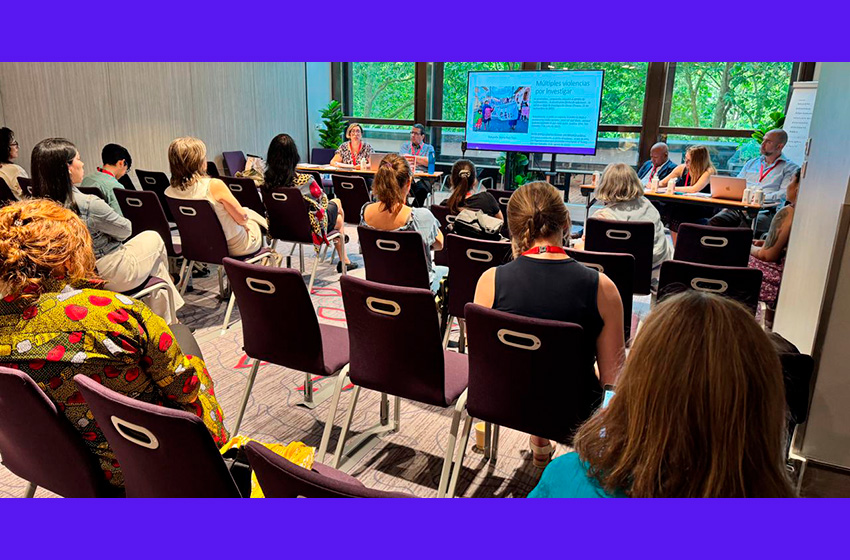
Academic freedom, inequalities and decolonial struggles in Latin America
CLACSO and CAFA at LASA 2026
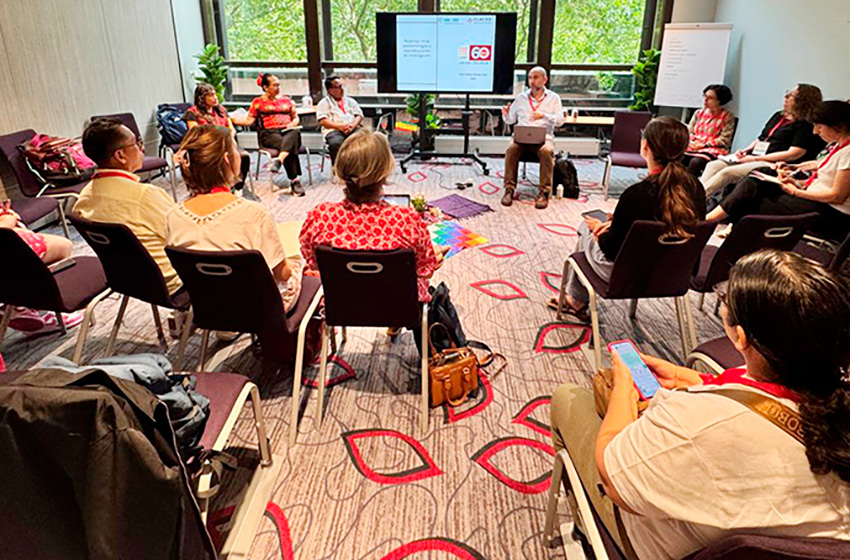
Indigenous peoples, epistemic justice, and new ways of producing knowledge
CLACSO and IDRC at LASA 2026
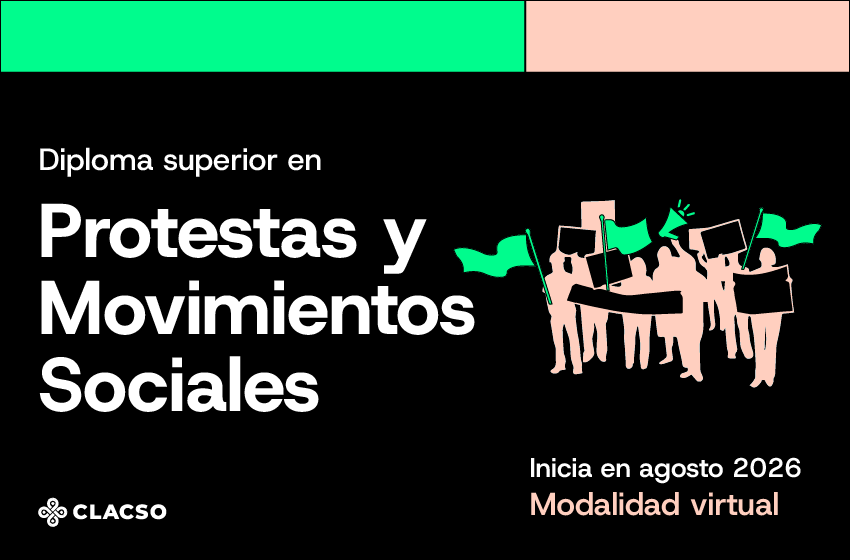
Advanced Diploma in Protests and Social Movements
Academic coordination: Julián Rebón (IIGG - UBA, Argentina) and Breno Bringel IESP - UERJ, Brazil)
Statement regarding the tensions at the International Festival for Sexual Diversity (FIDS) in Mexico
GT Sexual Activisms and Citizenships: Interdisciplinary Dialogues
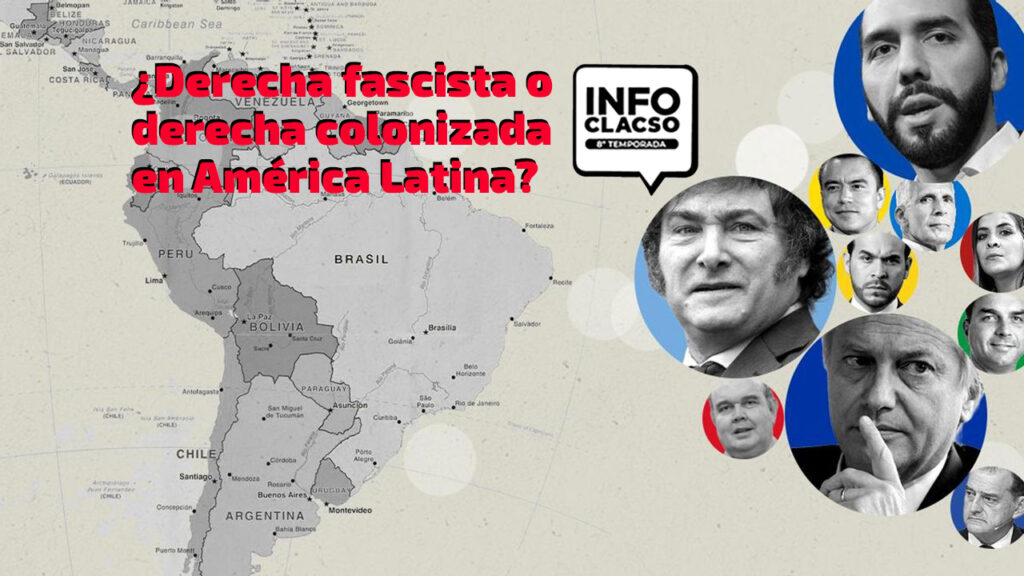
Far-right in Latin America: authoritarian and subordinate?
InfoCLACSO Wednesday, May 20, 2026
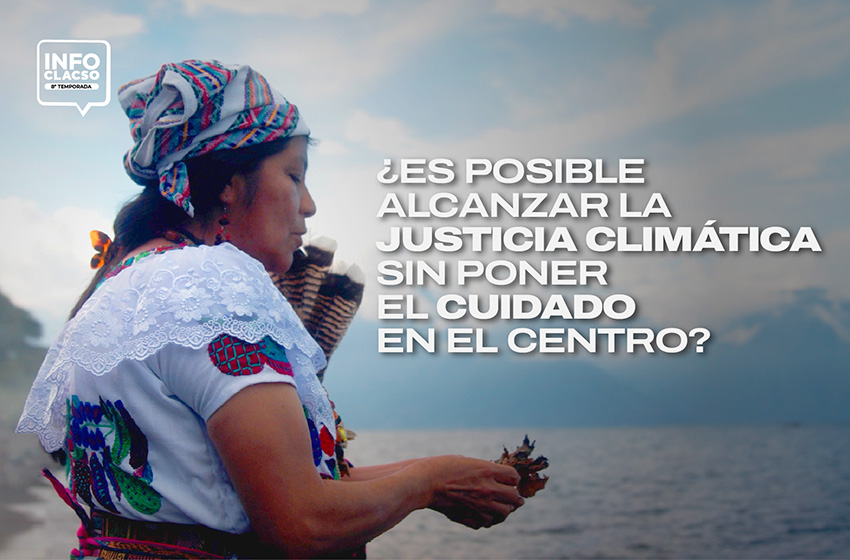
Is it possible to achieve climate justice without putting care at the center?
InfoCLACSO Wednesday, May 13, 2026
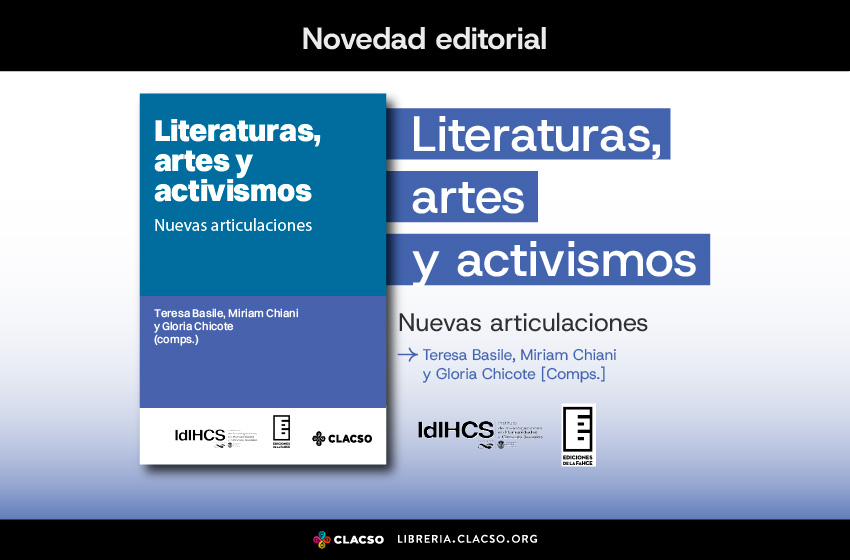
Literature, arts and activism
CLACSO co-published with IdIHCS
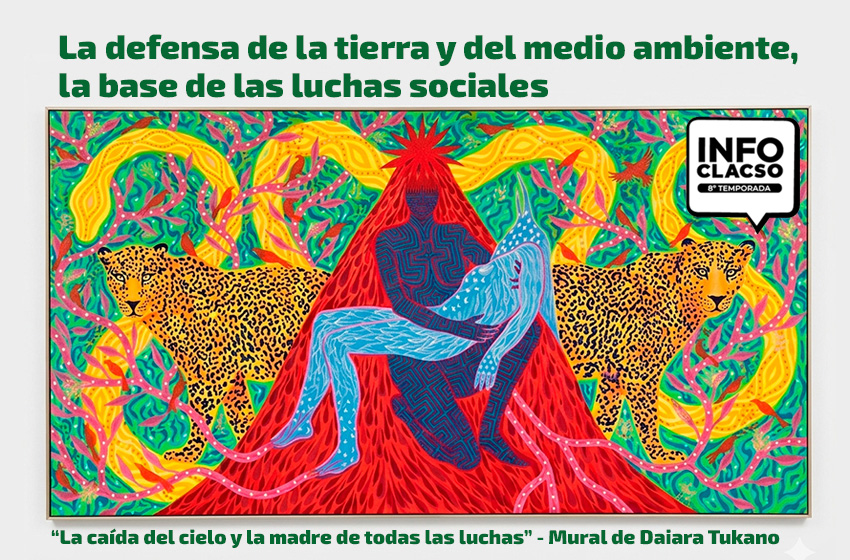
Defending the land and the environment is the foundation of social struggles.
InfoCLACSO Wednesday, April 29, 2026
.
Collaborative mural of the PDS Social movements and activism in Latin America and the Caribbean
Enter your comment in this space for dialogue and exchange