
Recognition of Sweden for its solidarity during the dictatorships
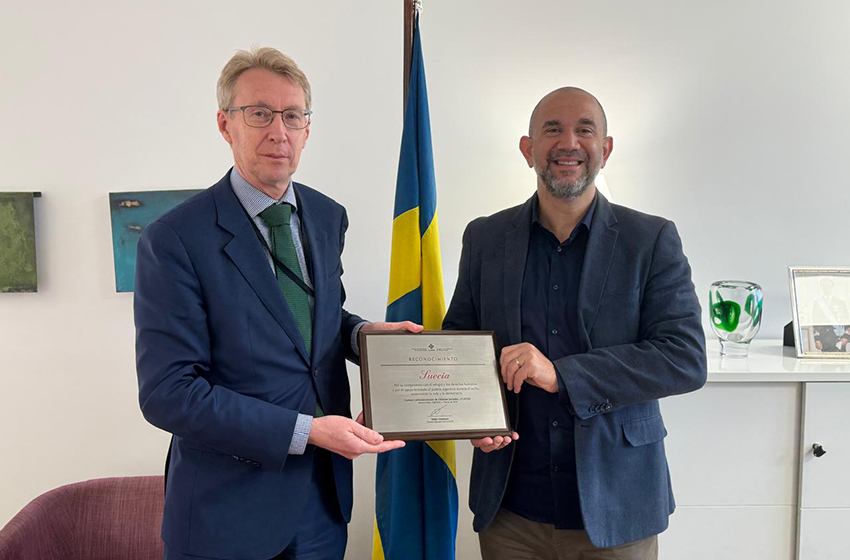
In the context of the 50th anniversary of the beginning of the last civic-military dictatorship in Argentina, the Latin American Council of Social Sciences (CLACSO) presented an award to the Kingdom of Sweden for its historic policy of welcoming and protecting exiles from Latin America during the years of state terrorism in the region.
The award was presented at the Swedish Embassy in Buenos Aires, at a meeting attended by His Excellency the Ambassador Torsten Sven Ericsson; the Executive Director of CLACSO, Pablo Vommaro; the cultural advisor of the Embassy, Diego Schulman; the Academic Director of CLACSO, Gloria Amézquita Puntiel; and the Director of Communication and Information of CLACSO, Gustavo Lema.
This recognition is part of a series of initiatives promoted by CLACSO to highlight the role of various countries and peoples who, during the dictatorships of the Southern Cone, provided refuge, protection, and opportunities to rebuild their lives to tens of thousands of people persecuted for political reasons. Within this framework, France, Germany, Mexico, Spain, and the people of Brazil have already been recognized.
During the meeting, Pablo Vommaro emphasized the importance of these acts of solidarity in the recent history of Latin America: “Fifty years after the civic-military coup in Argentina, we consider it essential to recognize the countries that welcomed those who were forced into exile. Sweden was one of the main destinations and stood out for its active policy of protection, integration, and defense of human rights.”
The award highlights Sweden's commitment “with refuge and human rights, and for the support of the Argentine people, upholding life and democracy.” In that regard, the role of the Nordic country as an international benchmark in human rights, democracy and international cooperation was especially valued.
The meeting also reviewed the historical ties between CLACSO and Sweden, which have been maintained for decades through cooperation programs aimed at strengthening the social sciences in Latin America and the Caribbean. These initiatives have contributed to the production of critical knowledge, the promotion of social dialogue, and the design of public policies aimed at reducing inequalities in the region.
The awarding of this recognition is part of a broader agenda of commemoration and remembrance promoted by CLACSO, aimed at recovering historical experiences of international solidarity and highlighting the principles that are essential today to face contemporary challenges.
On March 31st, at the CLACSO executive headquarters in Buenos Aires, an event of recognition, remembrance, and democratic commitment took place, bringing together diplomatic representatives, human rights leaders, memory and justice organizations, and institutional authorities from education and the CLACSO network to recognize countries and peoples that received exiles during the Argentine dictatorship, and to present an award to the President of the Grandmothers of Plaza de Mayo of Argentina. Estela Barnes de CarlottoThe “Berta Cáceres, Marielle Franco Award – Women Fighters of Our America” and to pay tribute to other historical figures in the struggle for human rights, memory and justice, such as the Nobel Peace Prize winner Adolfo PÃ © rez Esquivel and Argentine Forensic Anthropology Team (EAAF).
Also, the traveling photographic exhibition “Images from memory“called50 years after the coup in Argentina – From the seizure of power to the recovery of democracyDedicated to the processes of memory, resistance, and democratic reconstruction, this event sought to remember the past, recognize international solidarity networks, and reaffirm the commitment to democracy, human rights, and justice in Latin America and the Caribbean.
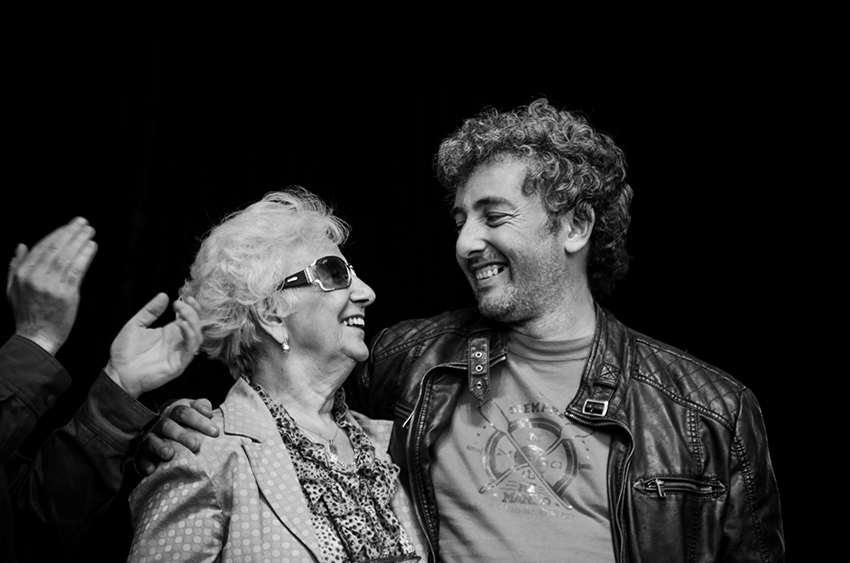
CLACSO Recognition of EstEla Barnes de Carlotto

