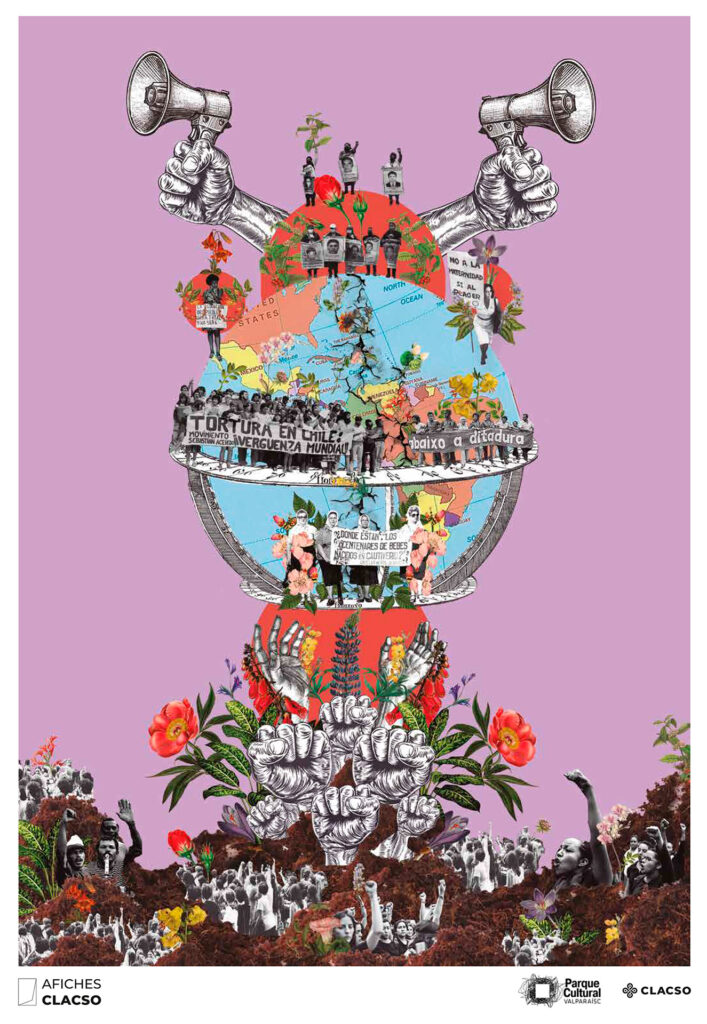
On March 24, 1976, Argentina was struck by a profound rupture.
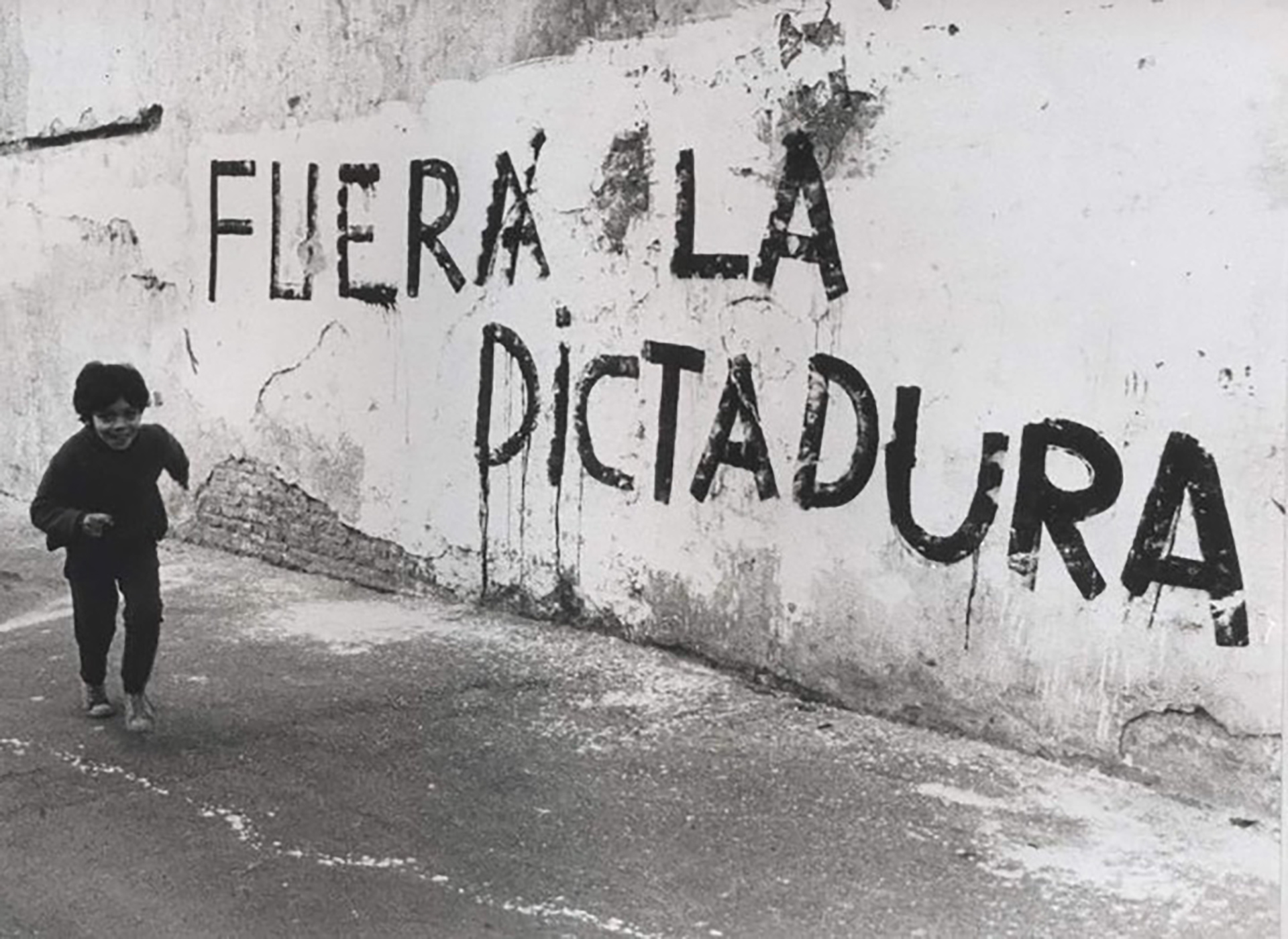
A civilian-military dictatorship took power and, as part of a systematic national and regional plan, disappeared 30.000 people, stole identities, burned books, censored science, intervened in universities, destroyed the economy, persecuted social organizations and silenced voices.
It lasted more than seven years.
Its consequences lasted for decades.
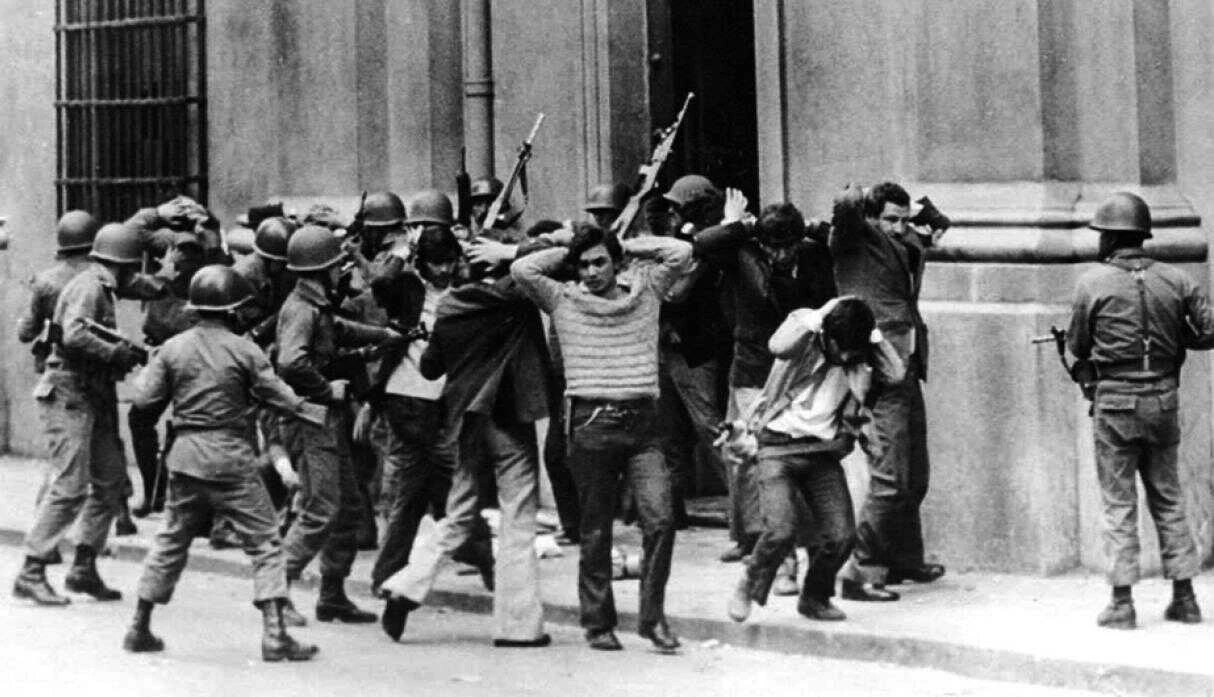
The photos you're about to see aren't just illustrations of history. They are history itself: captured in the moment, rescued from oblivion, preserved so that none of this is lost or repeated. Never again…
Fifty years later:
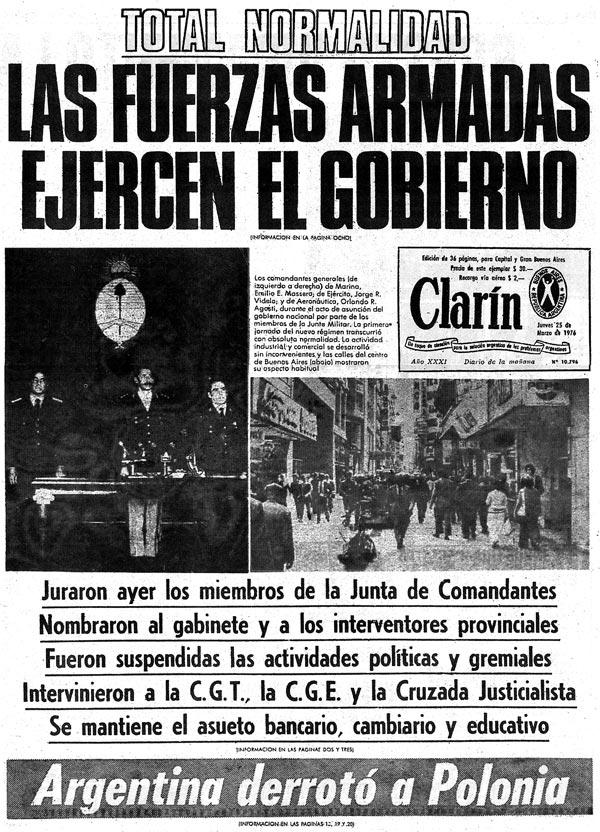
On March 24, 1976, the Argentine Armed Forces seized power.
The first Military Junta was composed of General Jorge Rafael Videla (Army – President), the admiral Emilio Eduardo Massera (Marina) and the brigadier Orlando Ramón Agosti (Aeronautics).
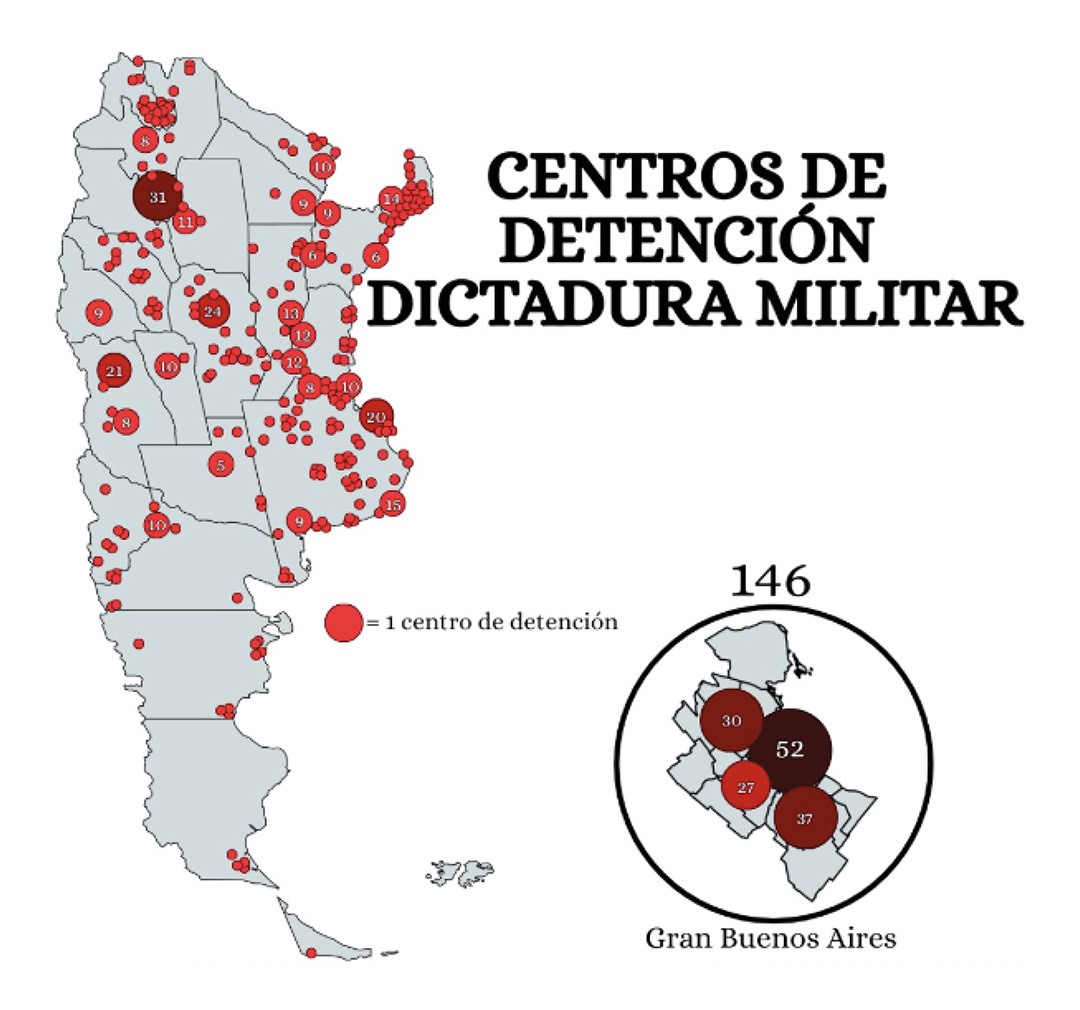
In Argentina, more than 600 clandestine detention centers operated. One of the most emblematic was the Navy Mechanics School (ESMA), in the heart of Buenos Aires: a place where people were tortured, murdered and disappeared.
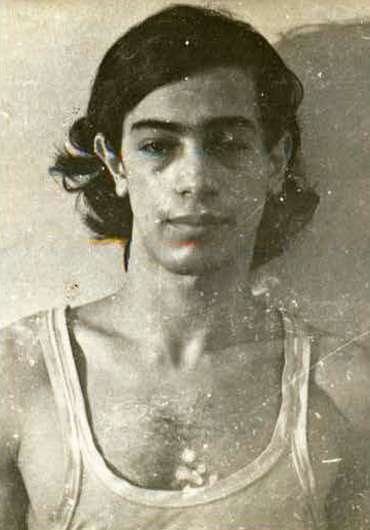
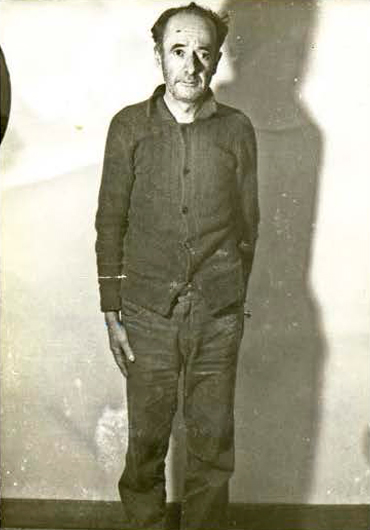
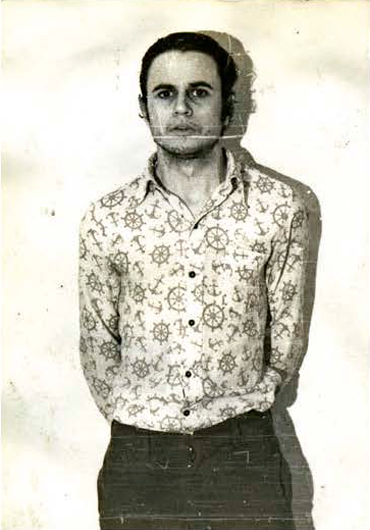
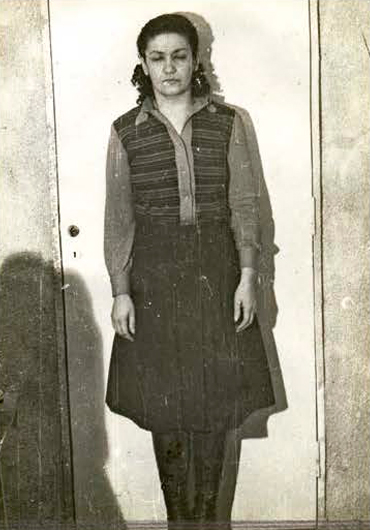
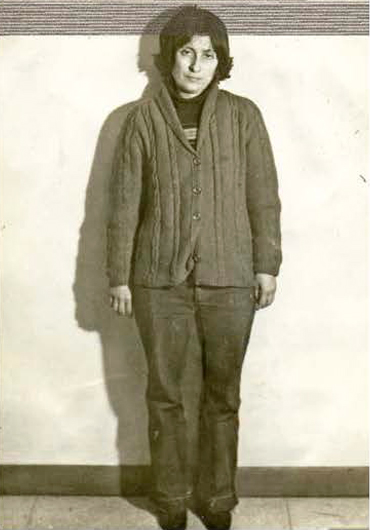
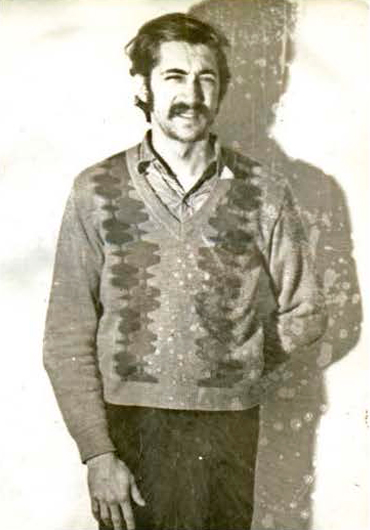
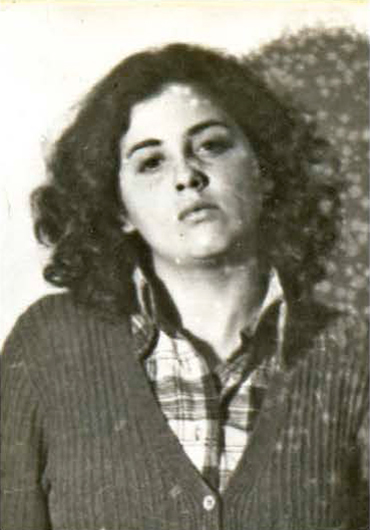
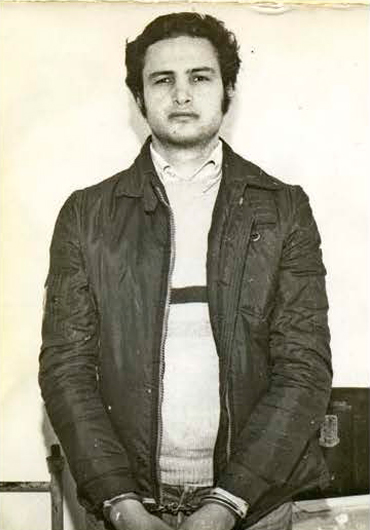
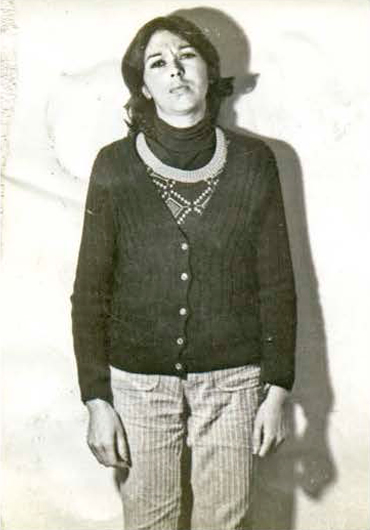
Victor Melchor Basterra He was kidnapped on August 10, 1979 and taken to the ESMA, where he remained until December 3, 1983. There he was made to work as slave labor in the photographic laboratory, falsifying documentation for the repressors and portraying kidnapped people who are still detained-disappeared.
Elsa Garreiro de Villaflor
DETAINED-MISSING
Photos by Victor
Basterra –
Archive Institute
Space for the
Memory (IEM)
El Condor Plan It constituted a system of political repression and state terrorism coordinated among the leadership of the military dictatorships of the Southern Cone of Latin America (Argentina, Chile, Bolivia, Brazil, Paraguay and Uruguay) during the 1970s and 1980s, with the support of the United States government.
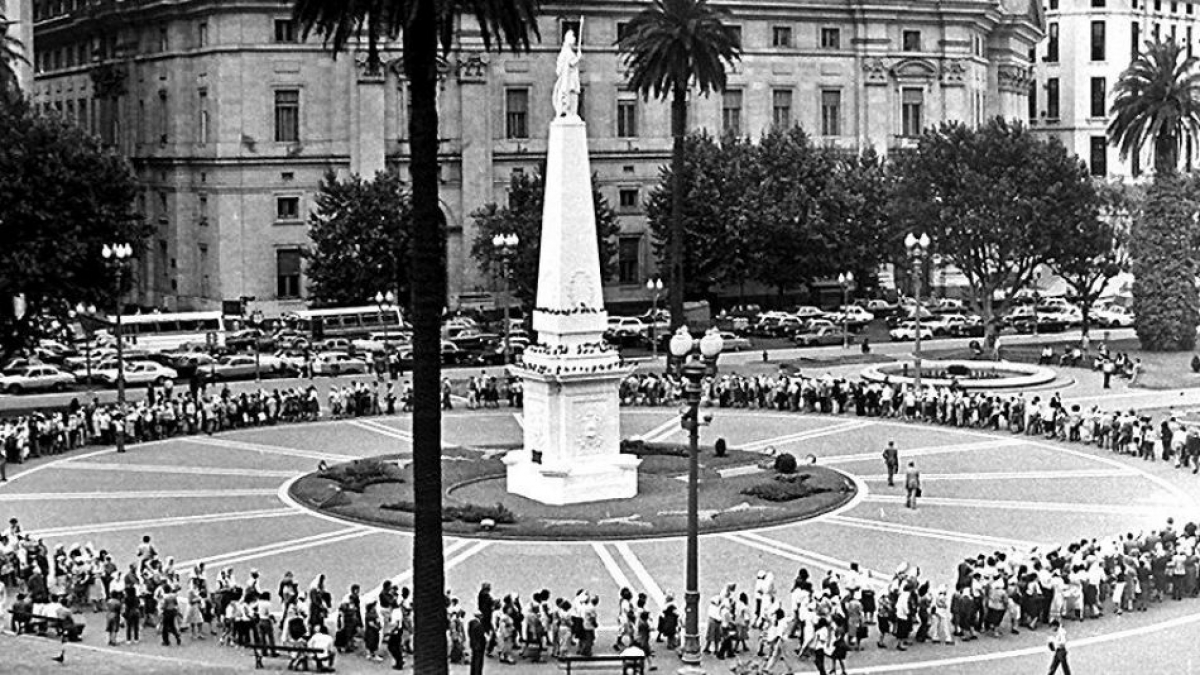
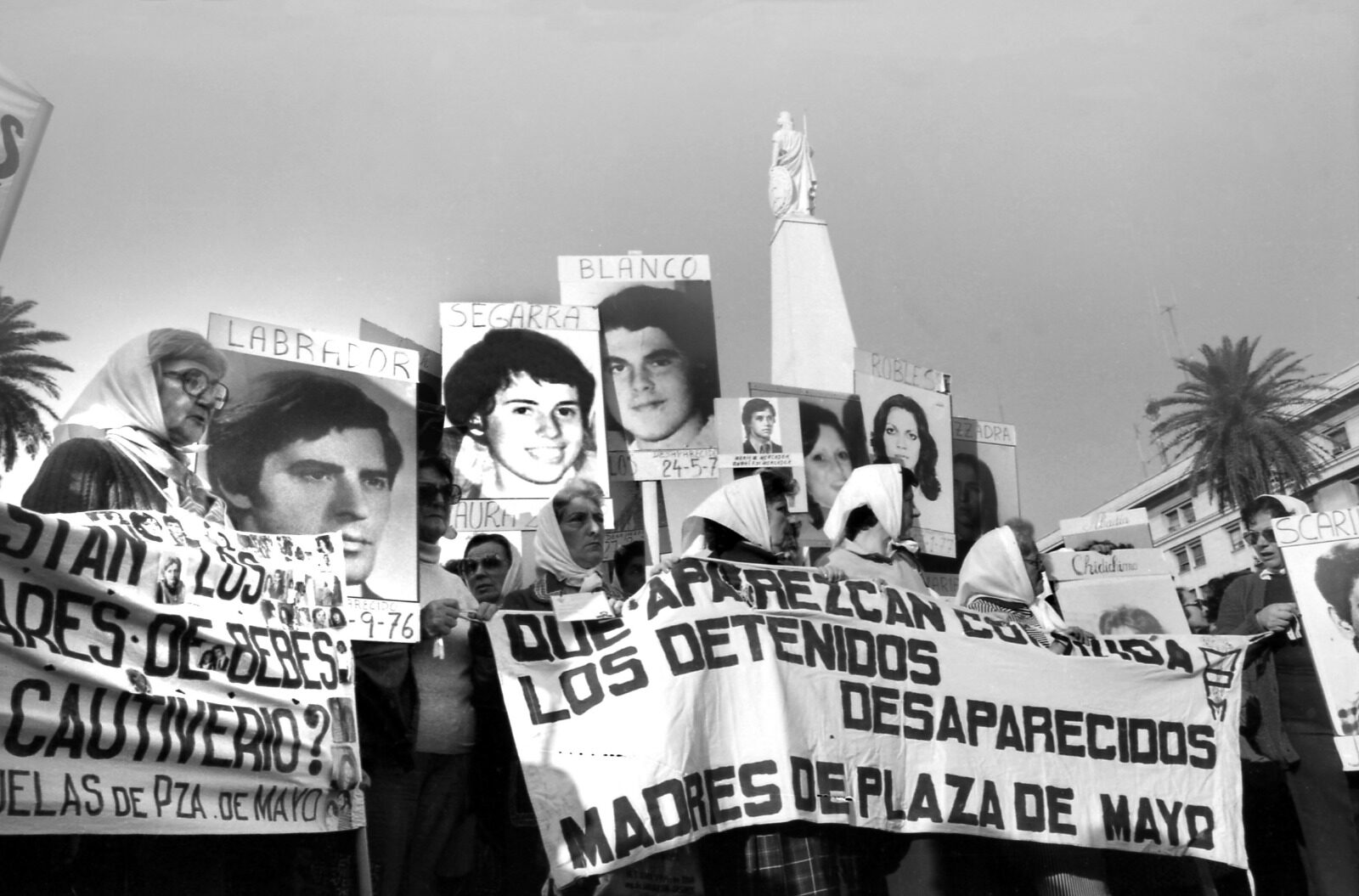
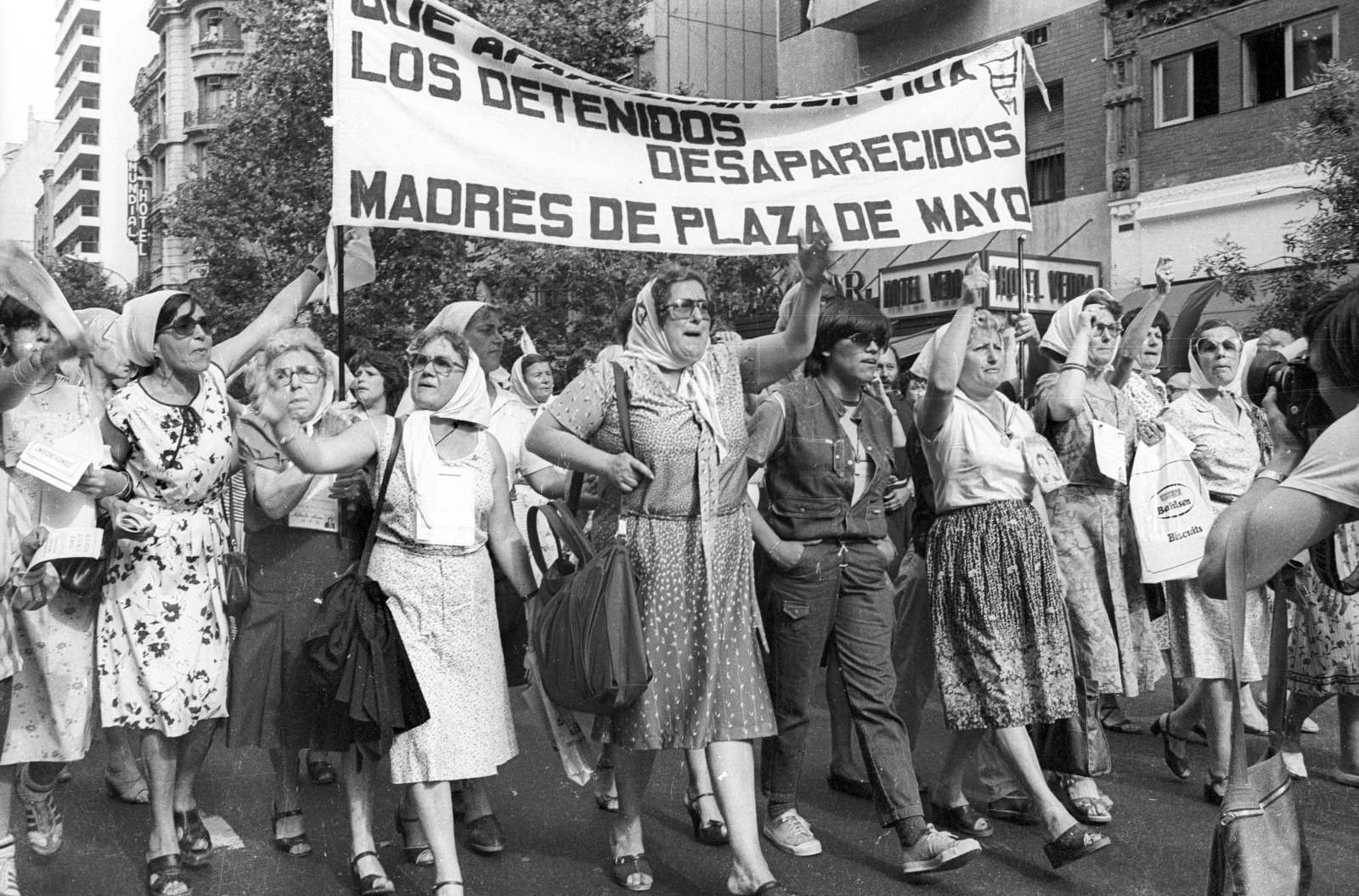
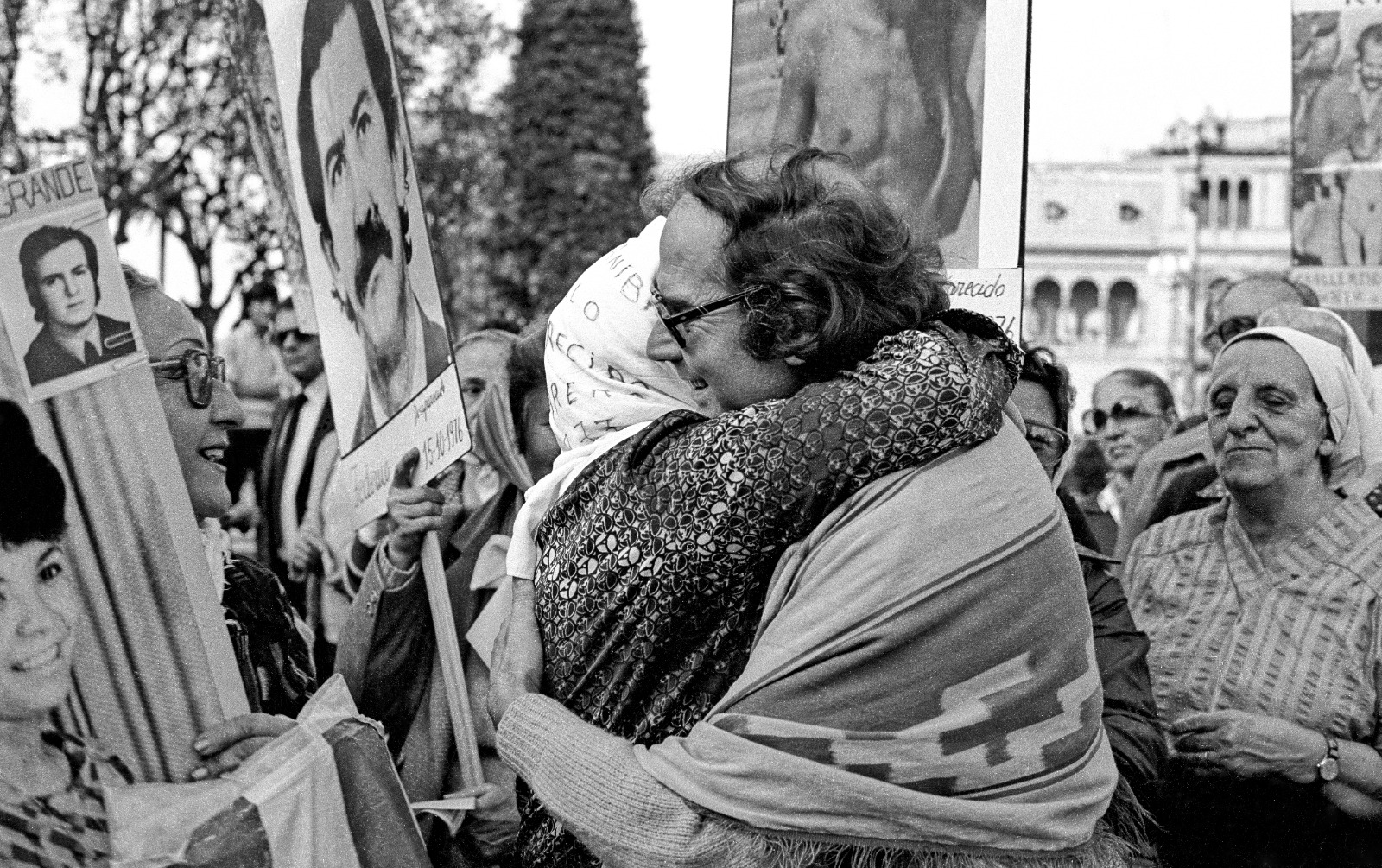
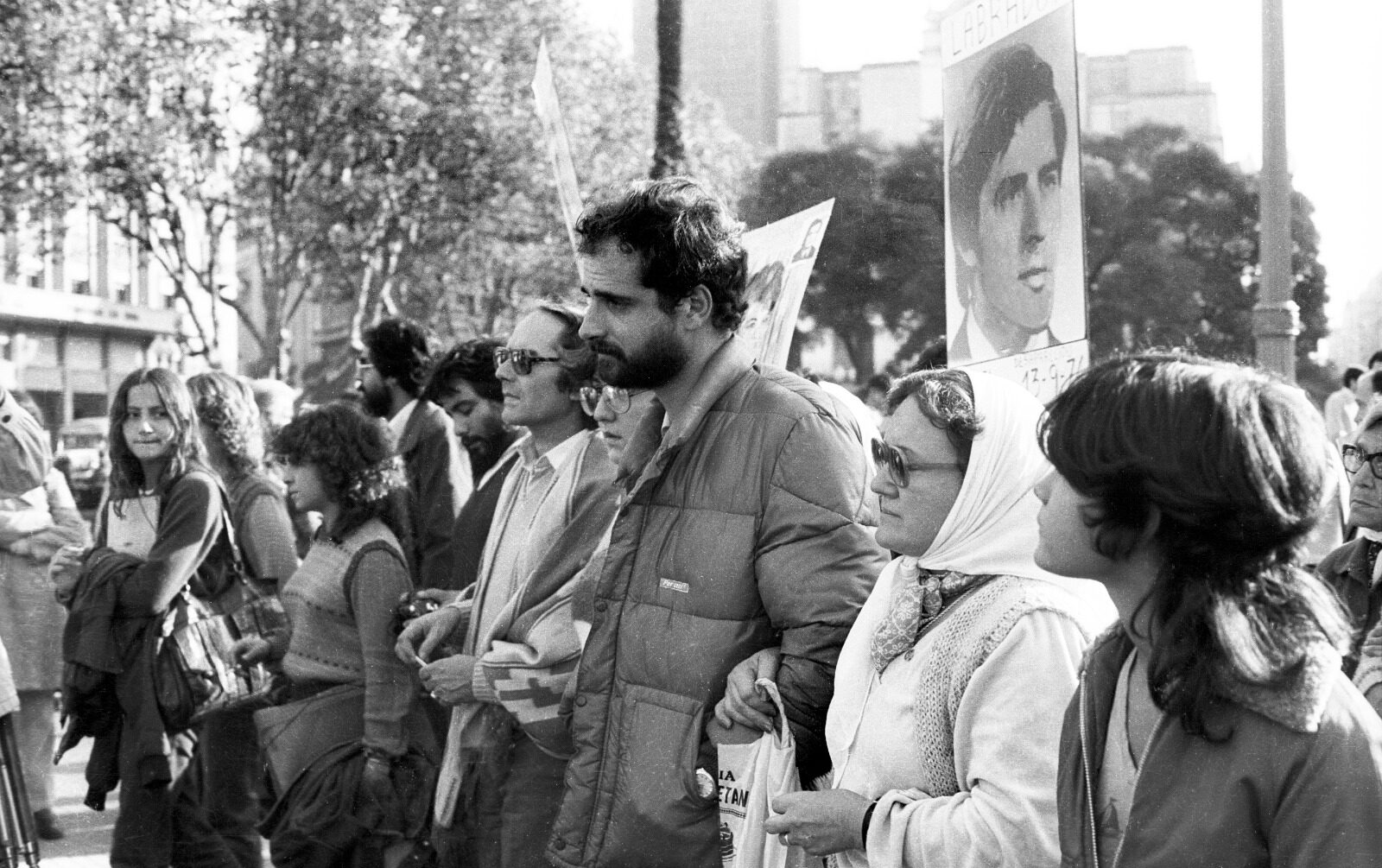
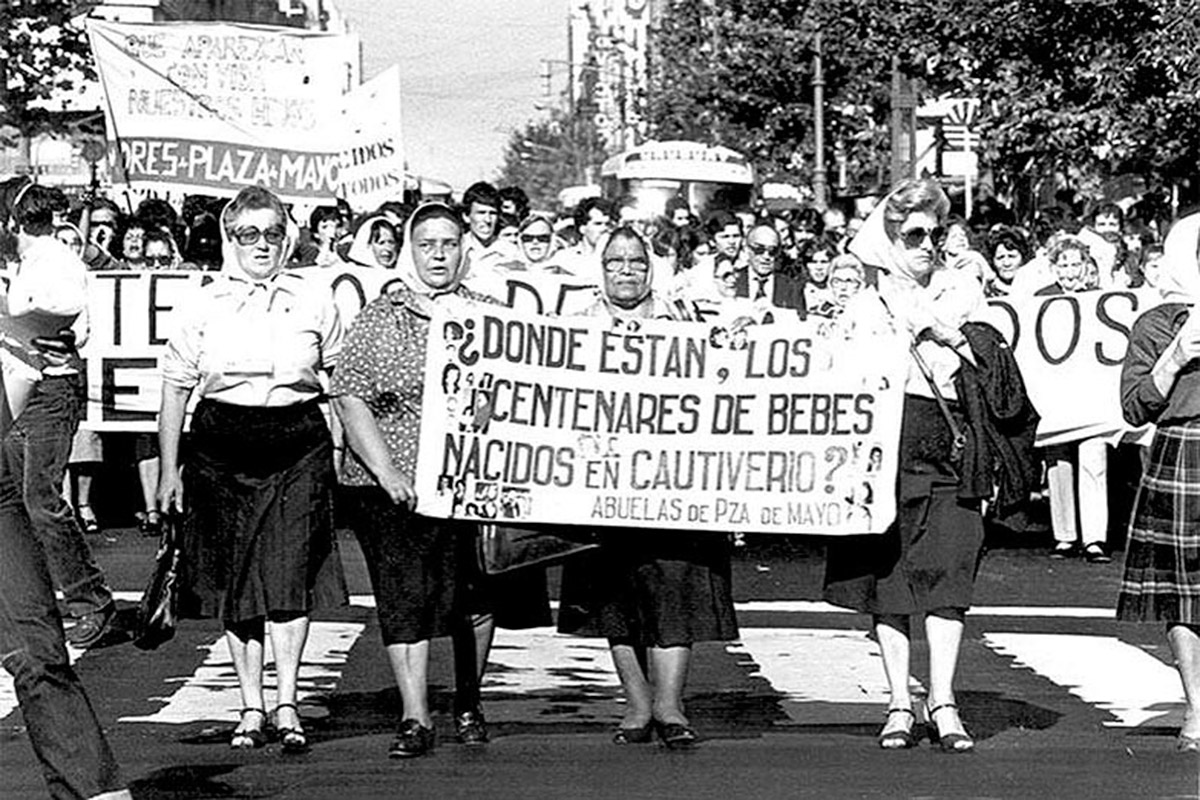
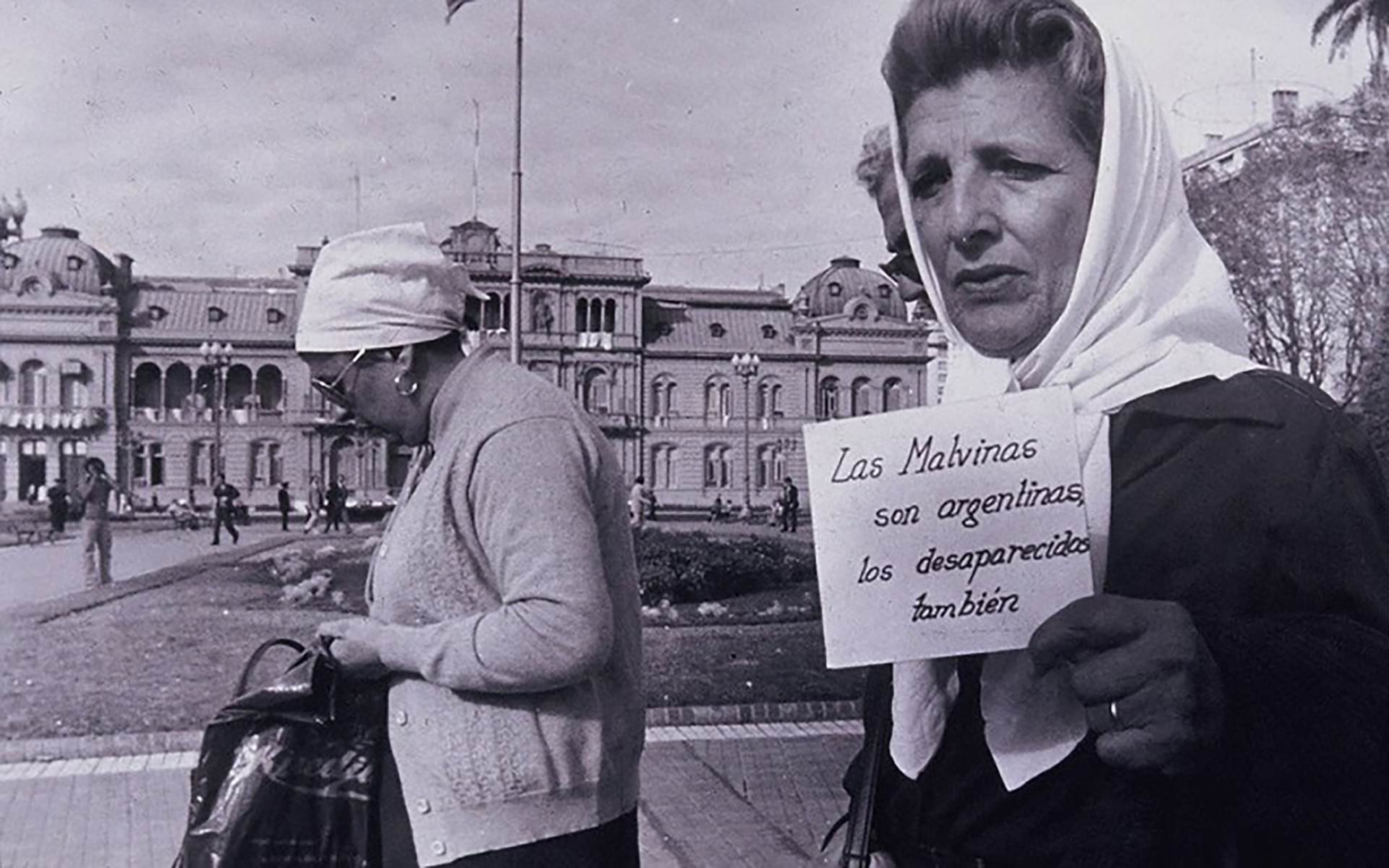
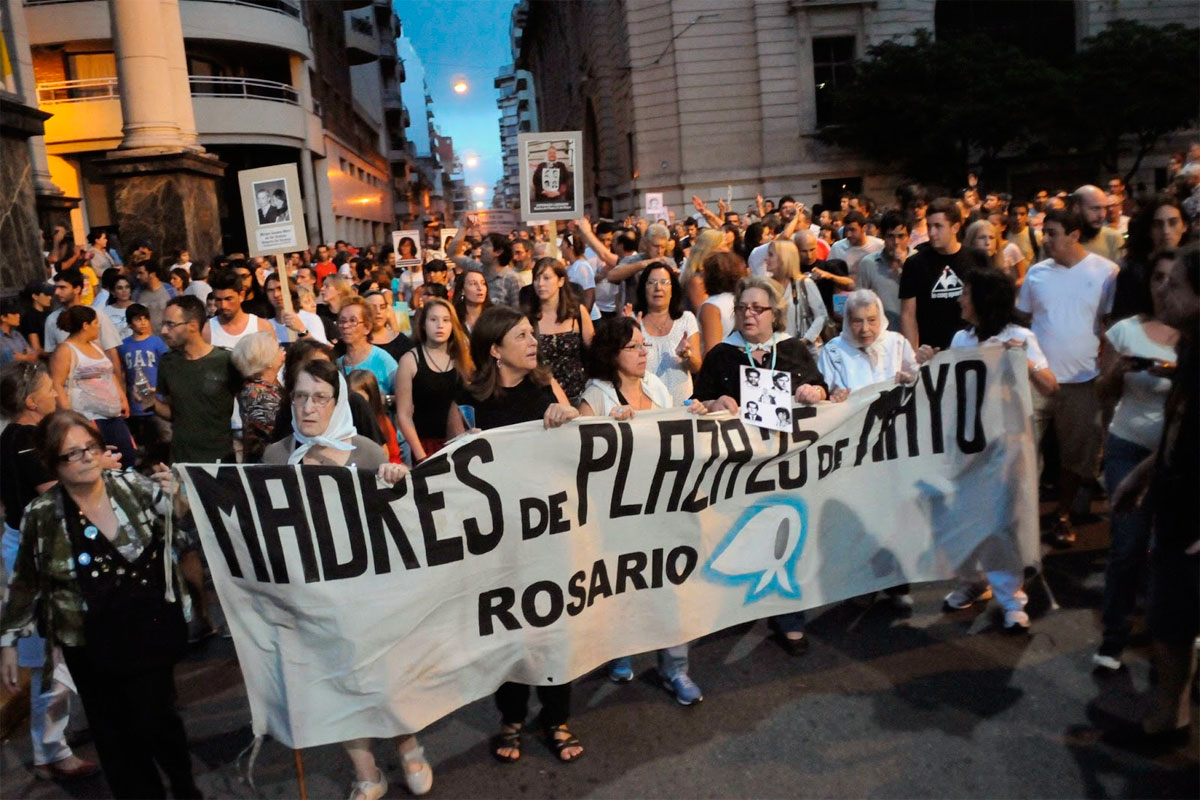
On April 30, 1977, the Mothers of Plaza de Mayo began their marches in front of the Casa Rosada in Buenos Aires. Three of them would be kidnapped in December of that year by a commando unit led by Alfredo Astiz: Azucena Villaflor, Mary Ponce de Bianco, and Esther Ballestrino de Careaga, along with two French nuns and seven human rights activists.
March in support of Adolfo Perez Esquivel's hunger strike, May 1983 – Photo: Hasenberg-Quaretti Archive
Adolfo PÃ © rez Esquivel, of the Peace and Justice Service Latin America, was kidnapped and tortured by the military dictatorship in April 1977 for 14 months. In 1980 he received the Nobel Peace Prize for his defense of human rights.
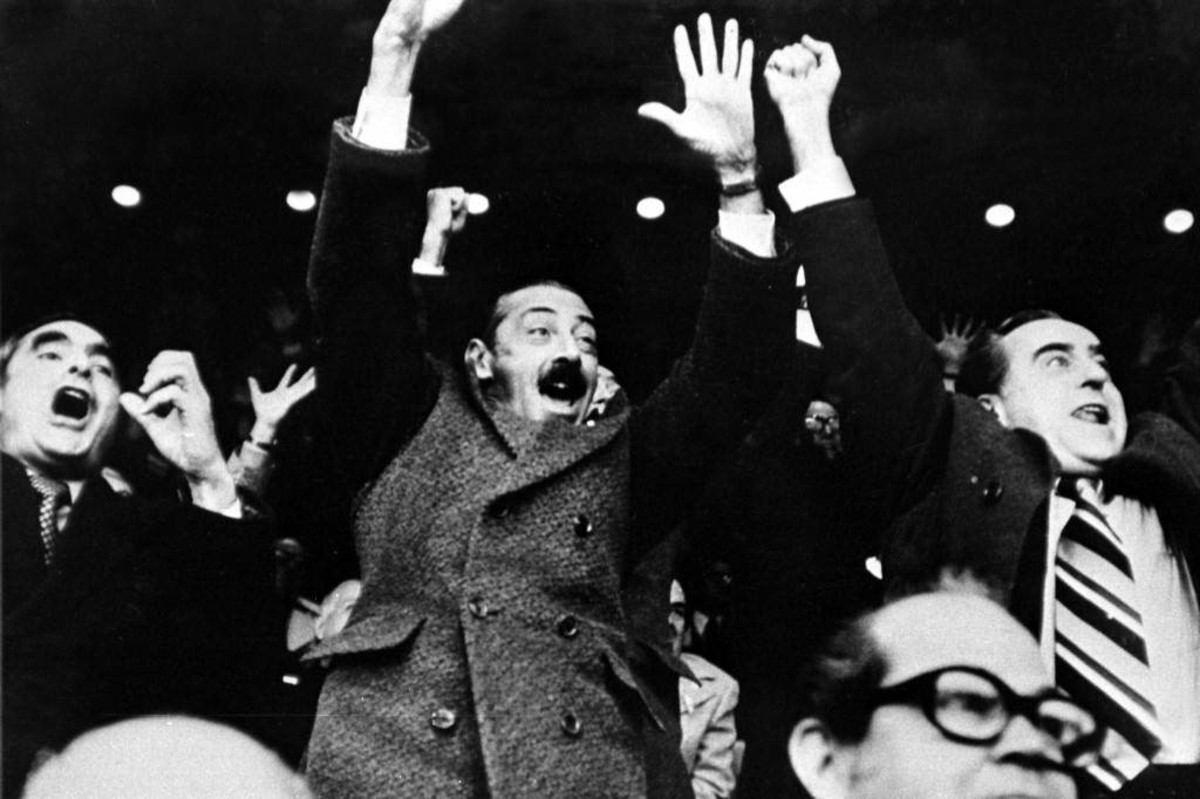
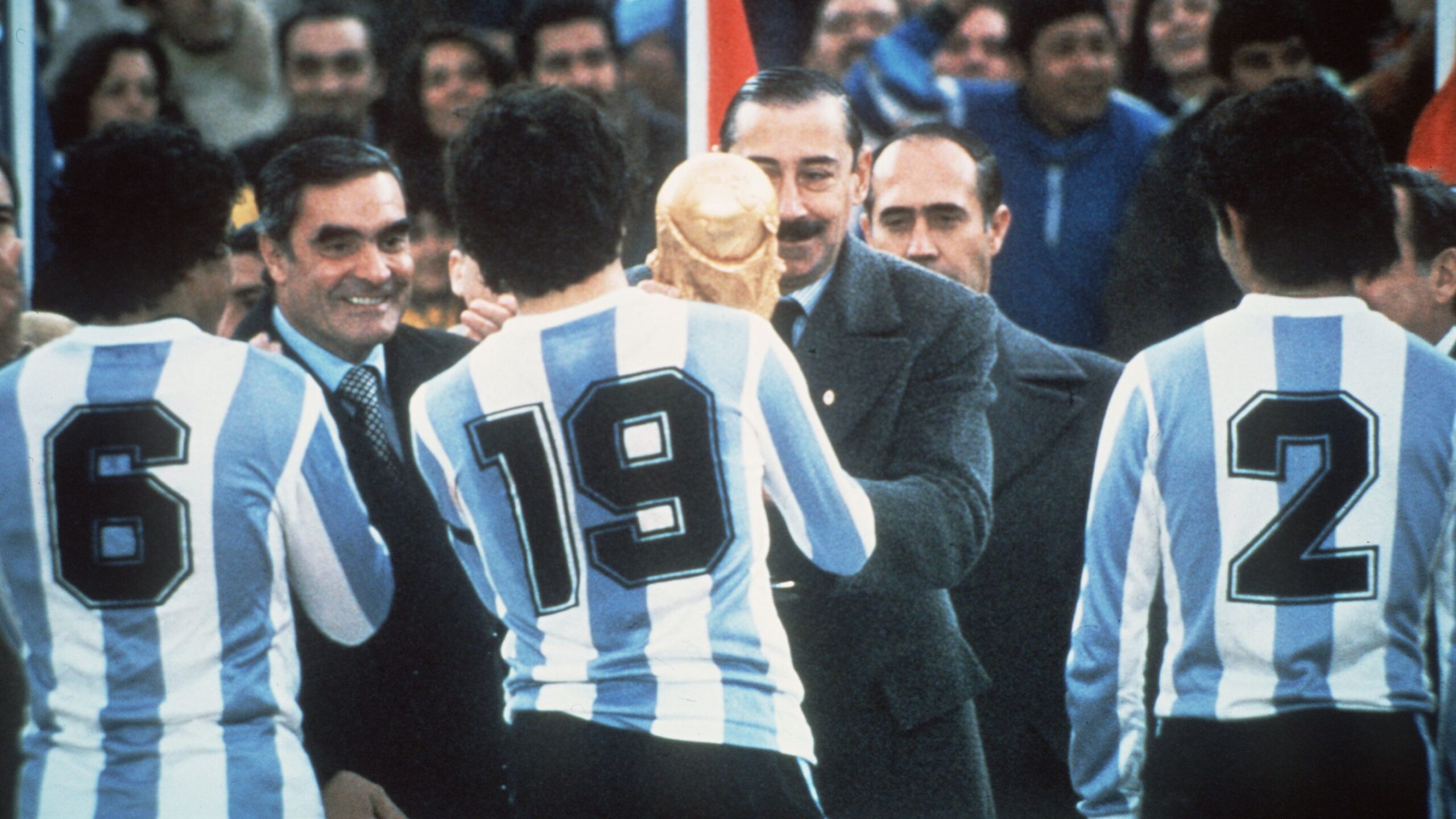
The Military Junta celebrated the 1978 World Cup at River Plate stadium, just 25 blocks from the Navy Mechanics School (ESMA), one of the main torture and extermination camps of the dictatorship.
The great World Cup feat in Argentina sparked an international campaign denouncing and condemning the civic-military dictatorship.
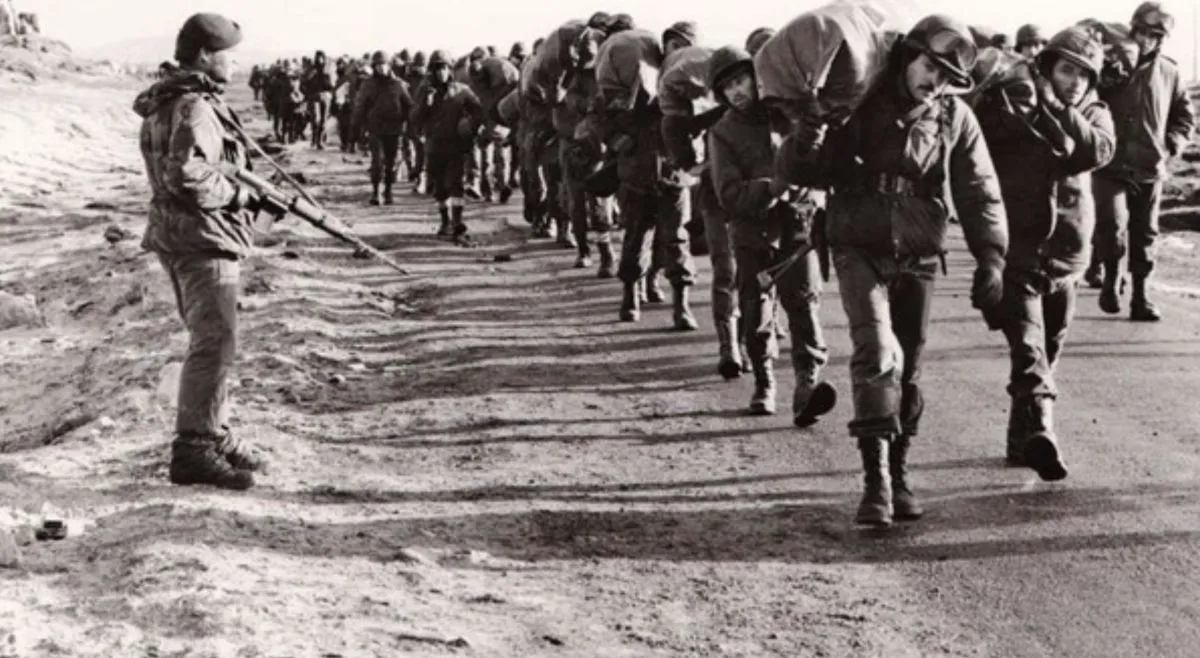
On April 2, 1982, the military dictatorship landed in the Falkland Islands. The surrender on June 12 exposed the mistreatment by Argentine officers of the young conscripts who fought in the dead of winter with limited resources against one of the great Western powers, Great Britain.
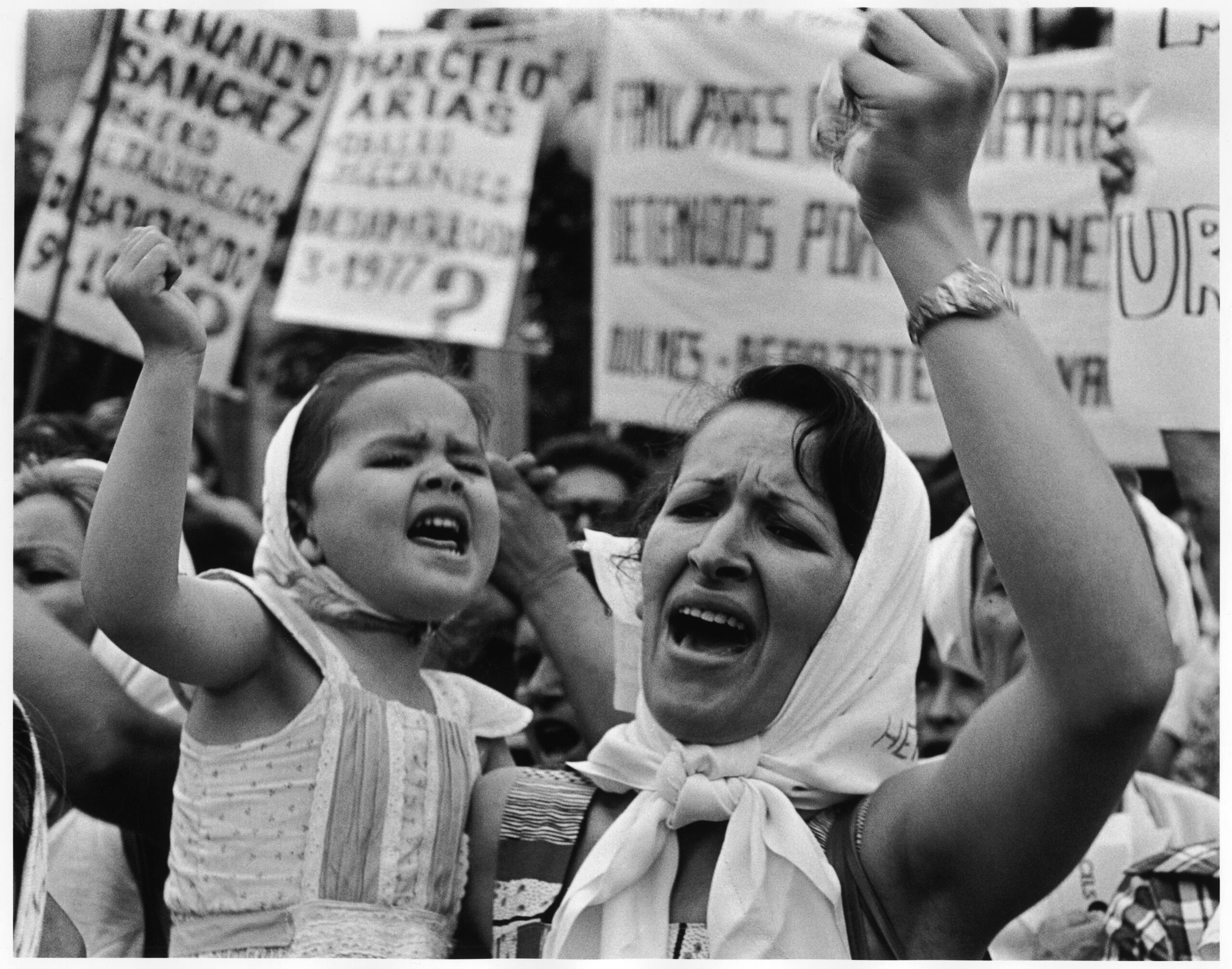
The Mothers of Plaza de Mayo denounced:
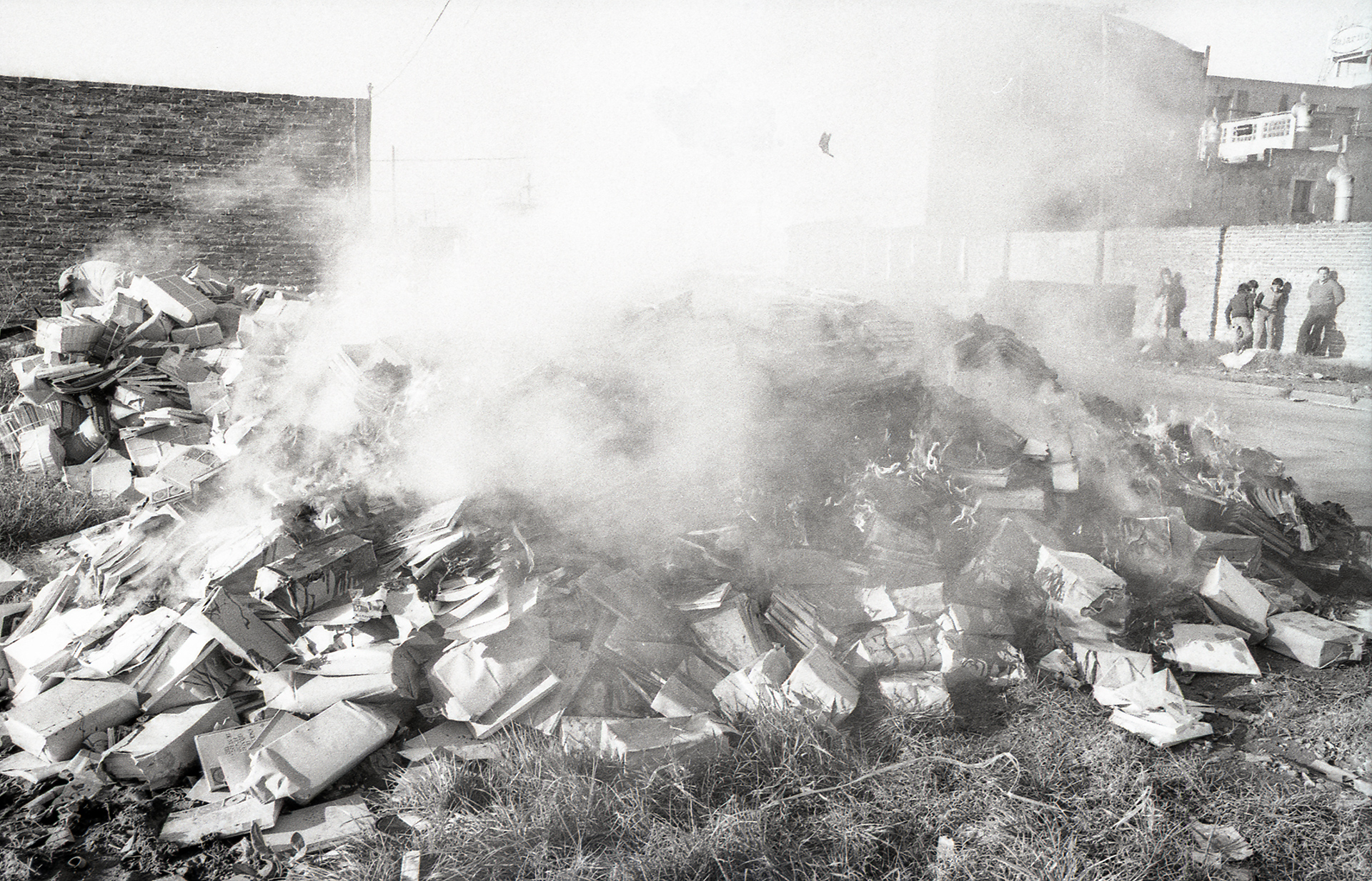
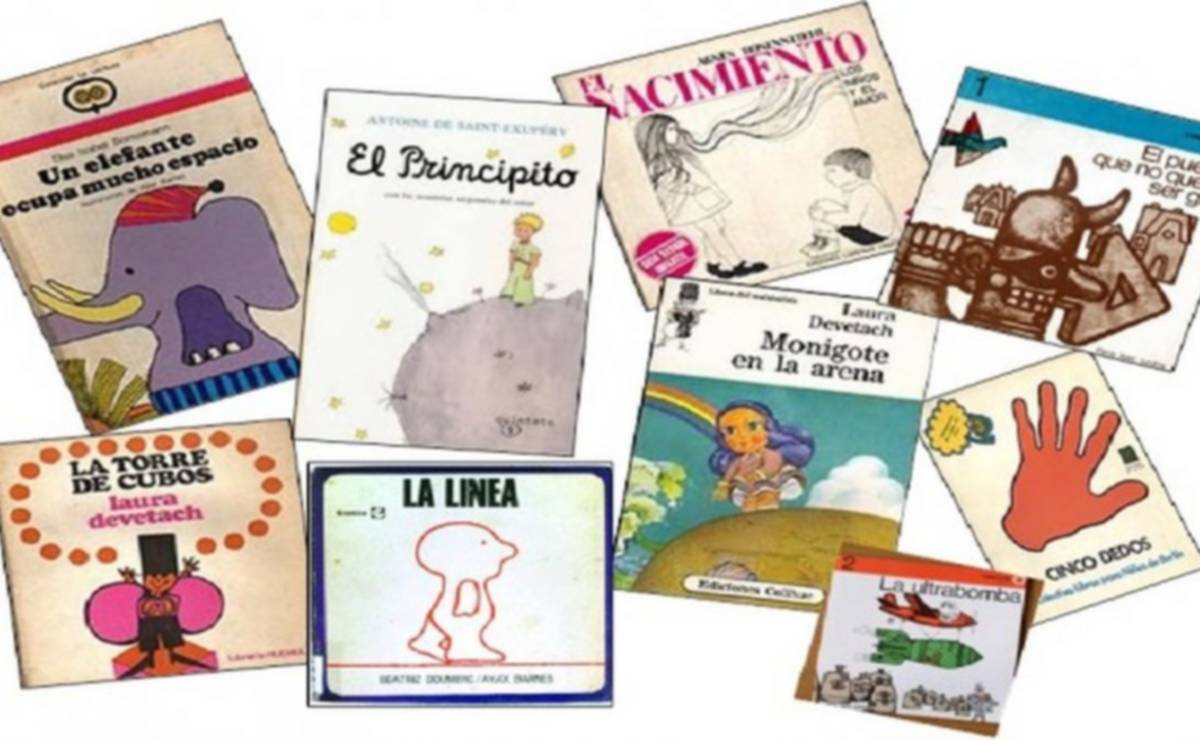
During the last civic-military dictatorship, there was a systematic plan to persecute culture and education, which included censorship and blacklists. Furthermore, dozens of artists, writers, and teachers suffered kidnappings, torture, and forced disappearances in clandestine detention centers; many others were forced into exile.
There were massive burnings of literary works (as happened with one and a half million copies of the Centro Editor de América Latina in a vacant lot in Avellaneda) under the argument of "purifying" the national culture.
Hundreds of songs and books were banned, and 'blacklists' of intellectuals and artists were created who were prohibited from working in official media or theaters, forcing many into exile.
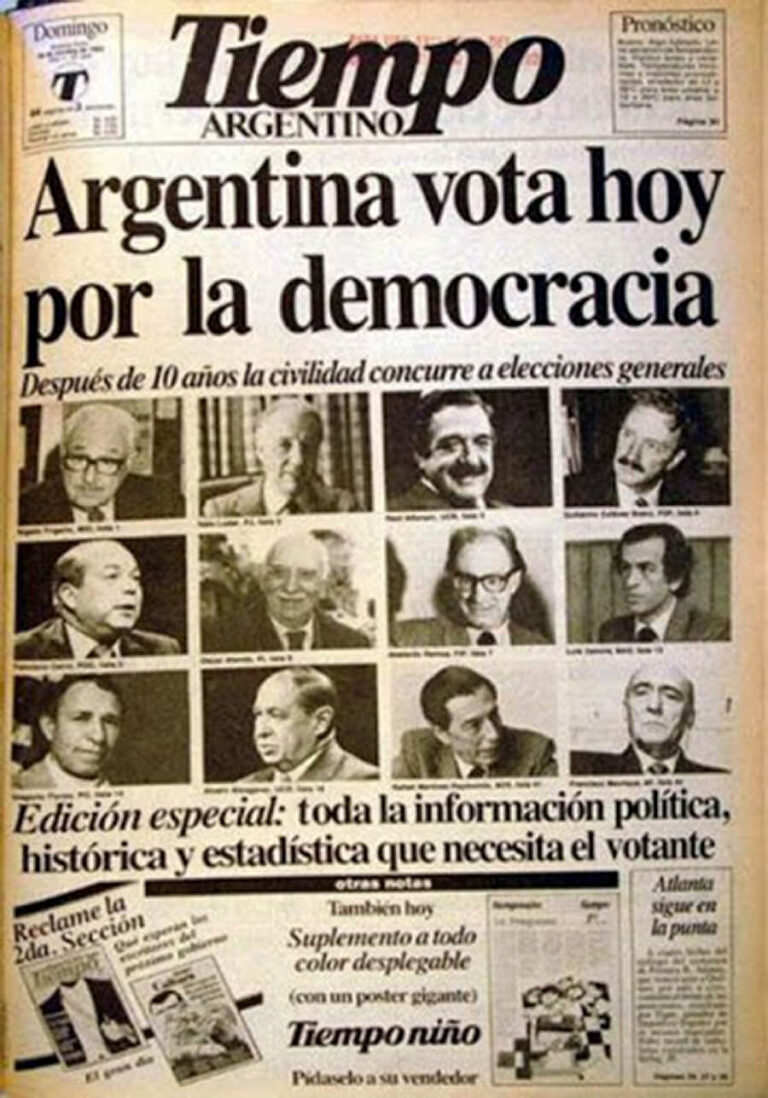
The elections of October 30, 1983, marked the beginning of the end of more than seven and a half years of civic-military dictatorship and the return to democracy. Raúl Alfonsín, candidate of the Radical Civic Union (UCR), won with 51,7% of the vote, compared to 40,1% for Ítalo Luder of the Justicialist Party.
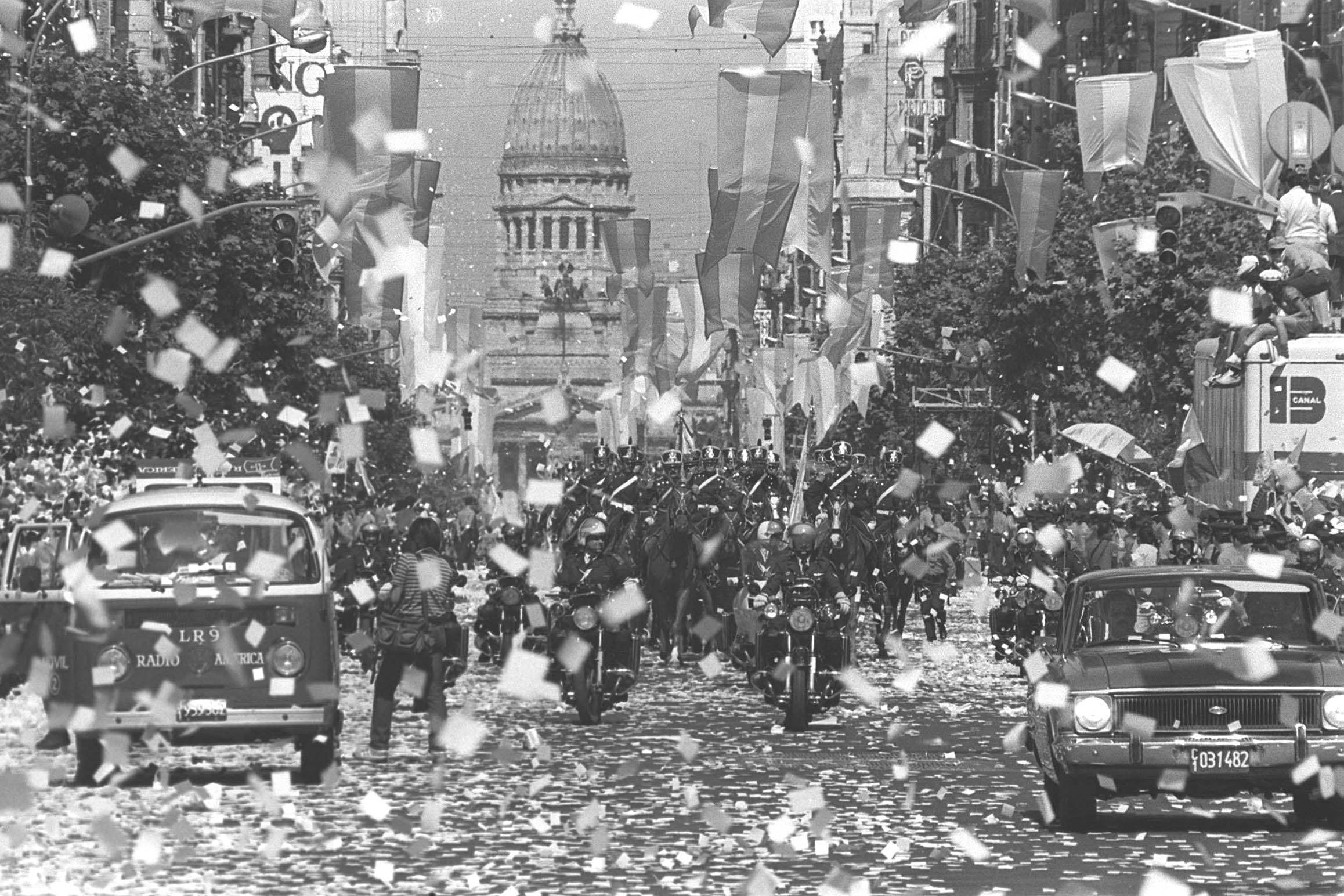
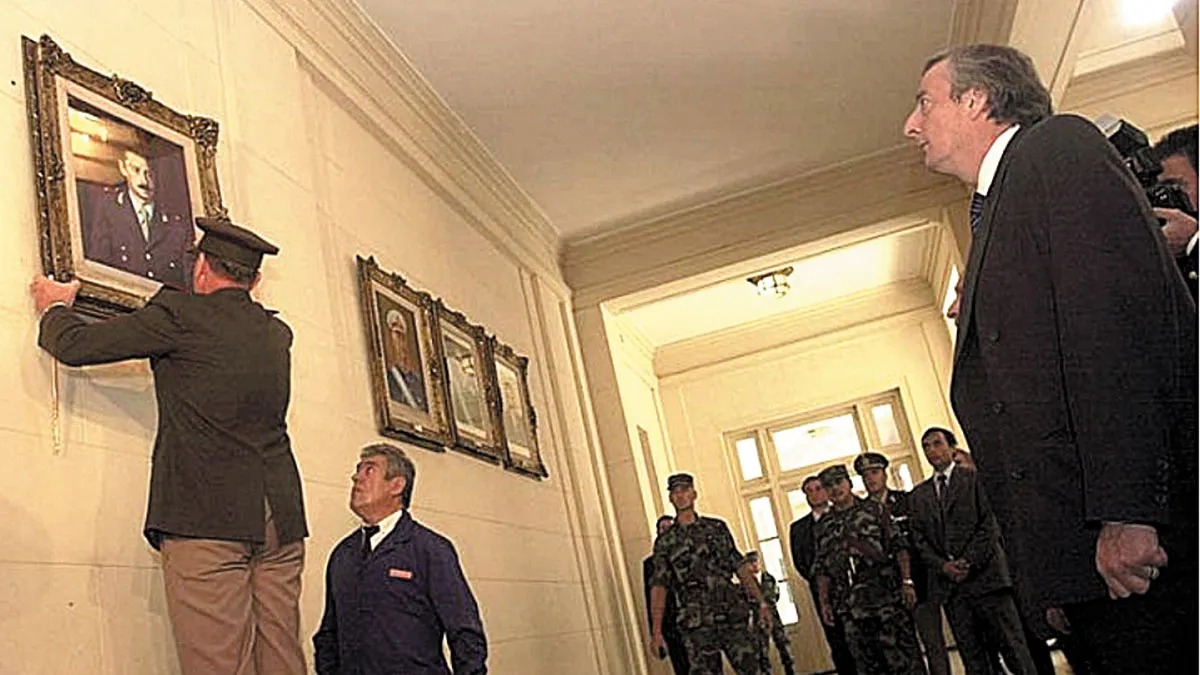
Alfonsín took office on December 10, 83, International Human Rights Day.
From the balcony of the Cabildo, facing an overflowing Plaza de Mayo, Raúl Alfonsín declared: 'We have come to settle a debt with the nation… We are beginning a stage that, although difficult, is the one that the Argentine people have chosen.'
Shortly after President Raúl Alfonsín took office in December 1983, the National Commission on the Disappearance of Persons (CONADEP) was created. Its report, known as "Never Again," documented the existence of clandestine detention centers and a systematic plan for the forced disappearance of people.
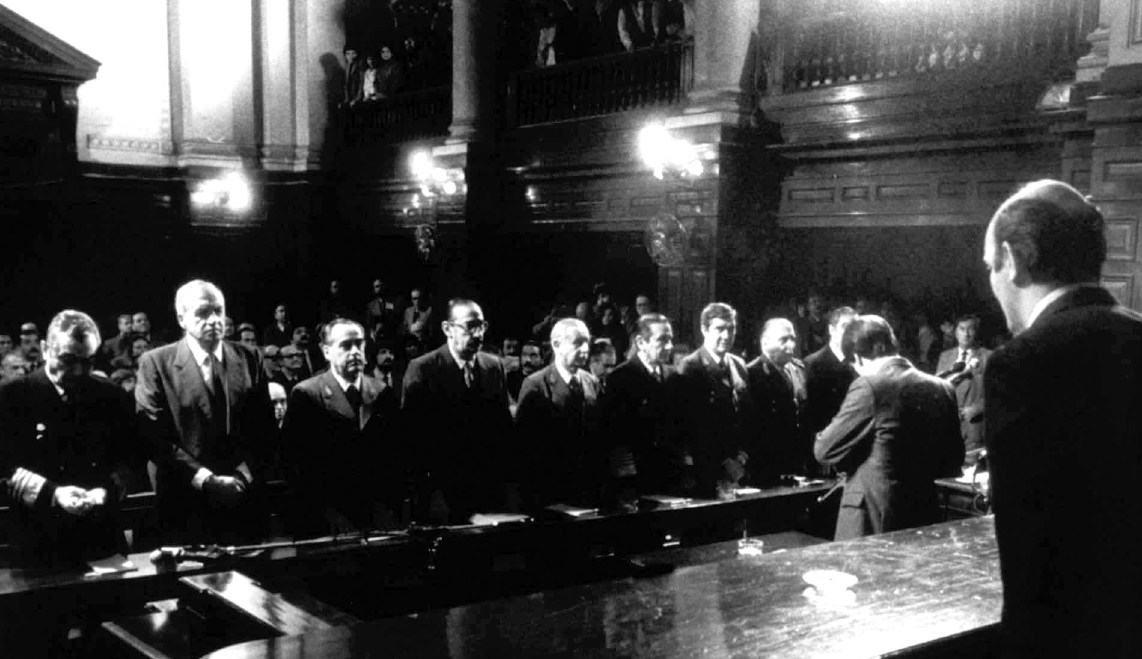
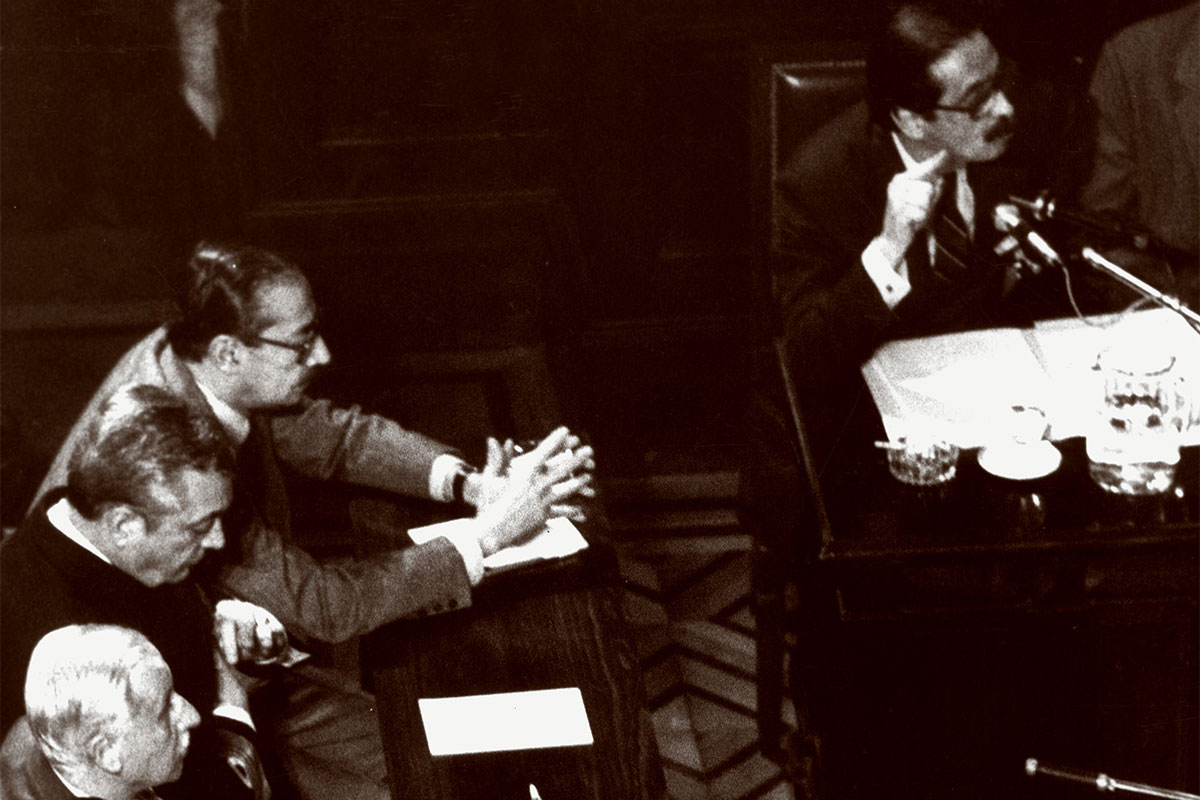
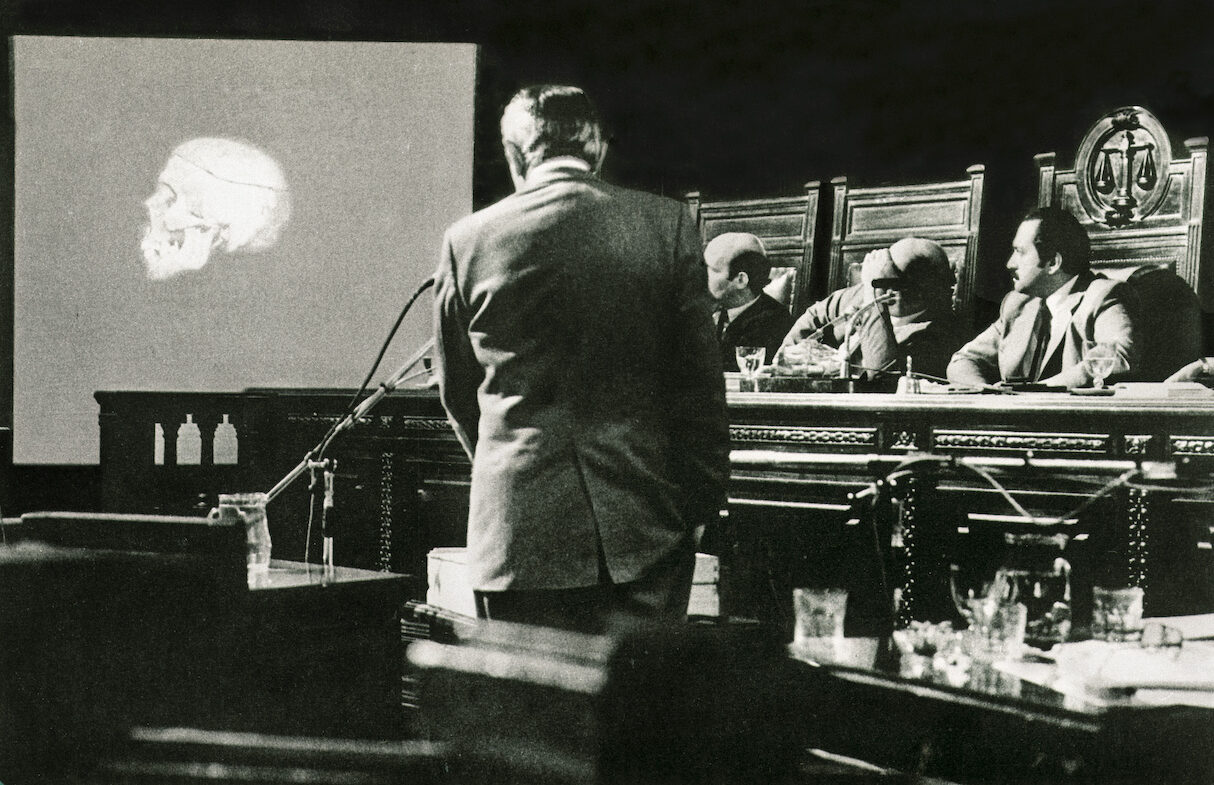
In 1985, the Trial of the Juntas took place, where the top leaders of the first three military juntas of the dictatorship sat in the dock. It resulted in life sentences for figures such as Videla and Massera, establishing that the repression was a systematic plan organized by the state.
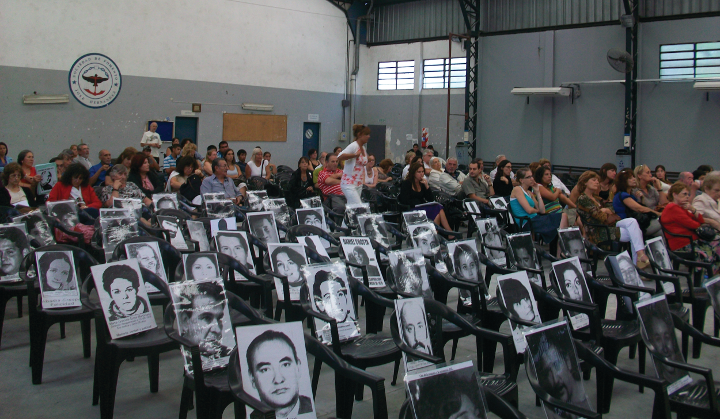
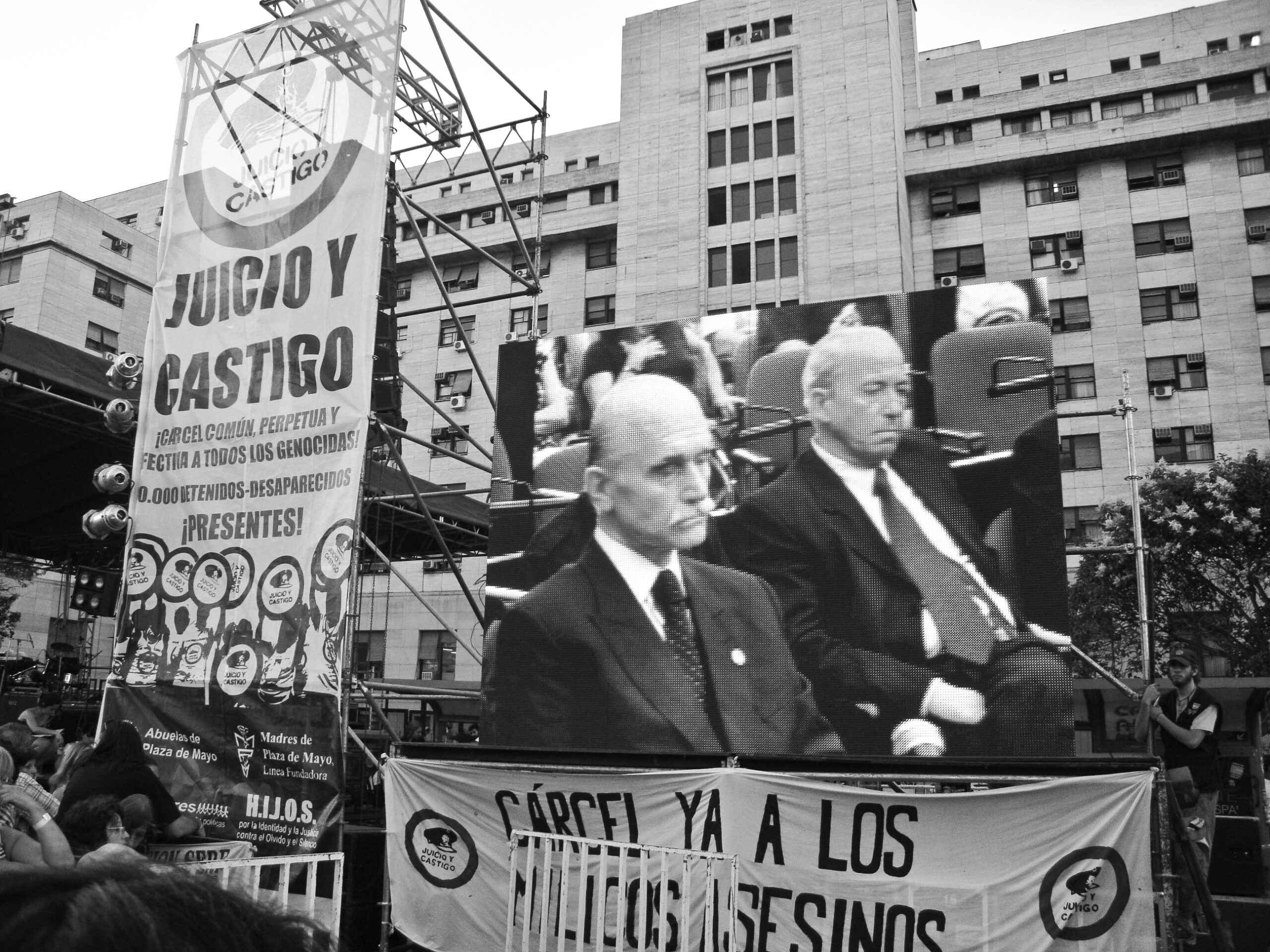
After a period of impunity due to the "Full Stop" and "Due Obedience" laws and the pardons of the 90s, justice was reactivated in 2003 when Congress declared the impunity laws null and void; then, in 2005, the Supreme Court declared them unconstitutional. These new trials—which continue to this day—are being held throughout the country and involve those responsible at all levels: mid-ranking officers, police personnel, civilians, and businesspeople involved in crimes against humanity.
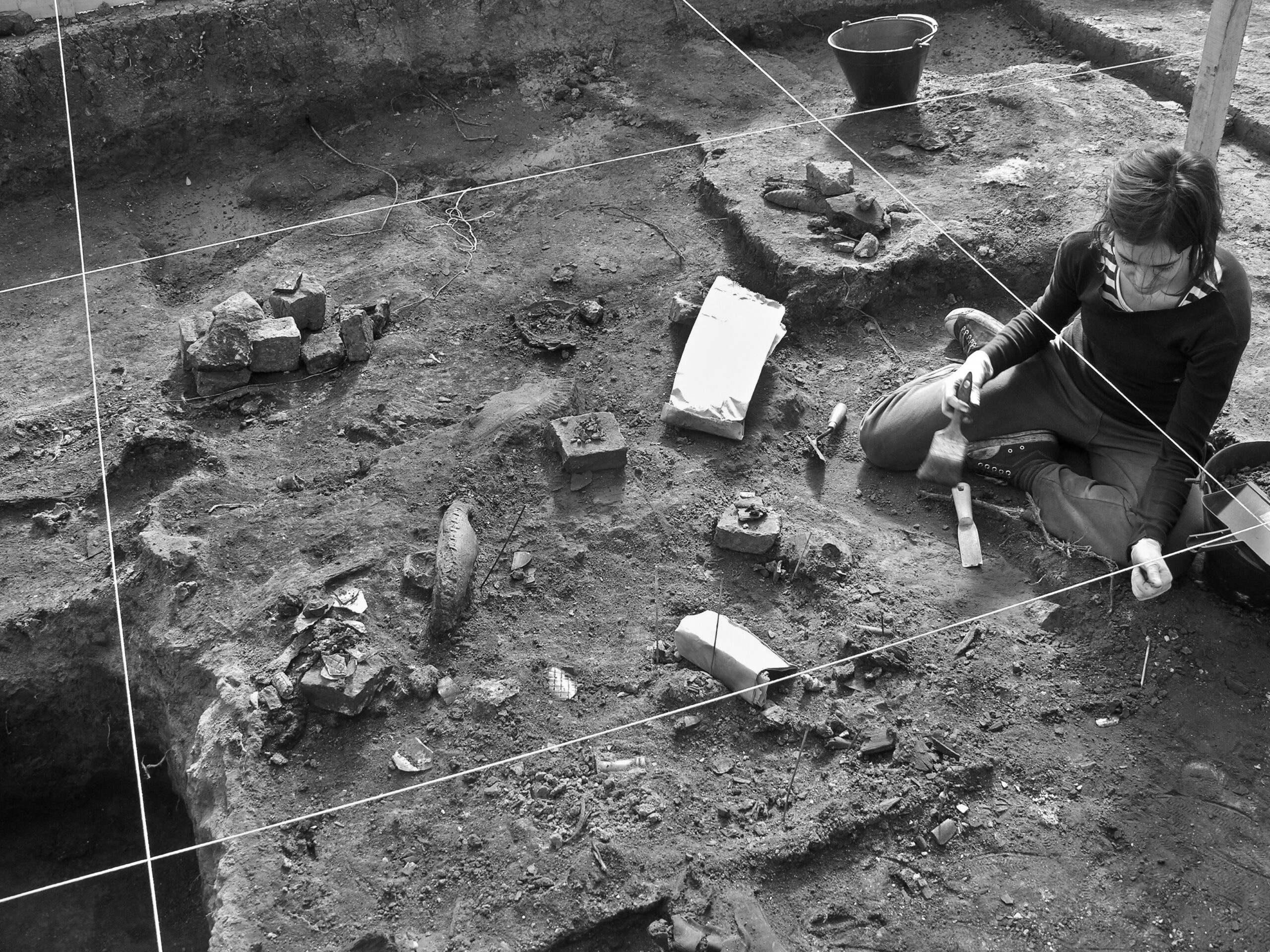
Created in 1984, the Argentine Forensic Anthropology Team (EAAF) is a pioneer in the application of forensic sciences to the investigation of human rights violations.
Their work has been fundamental in providing answers to the families of the victims of the last military dictatorship. Using archaeological and anthropological techniques to exhume remains in cemeteries and clandestine graves, they seek to identify the disappeared.
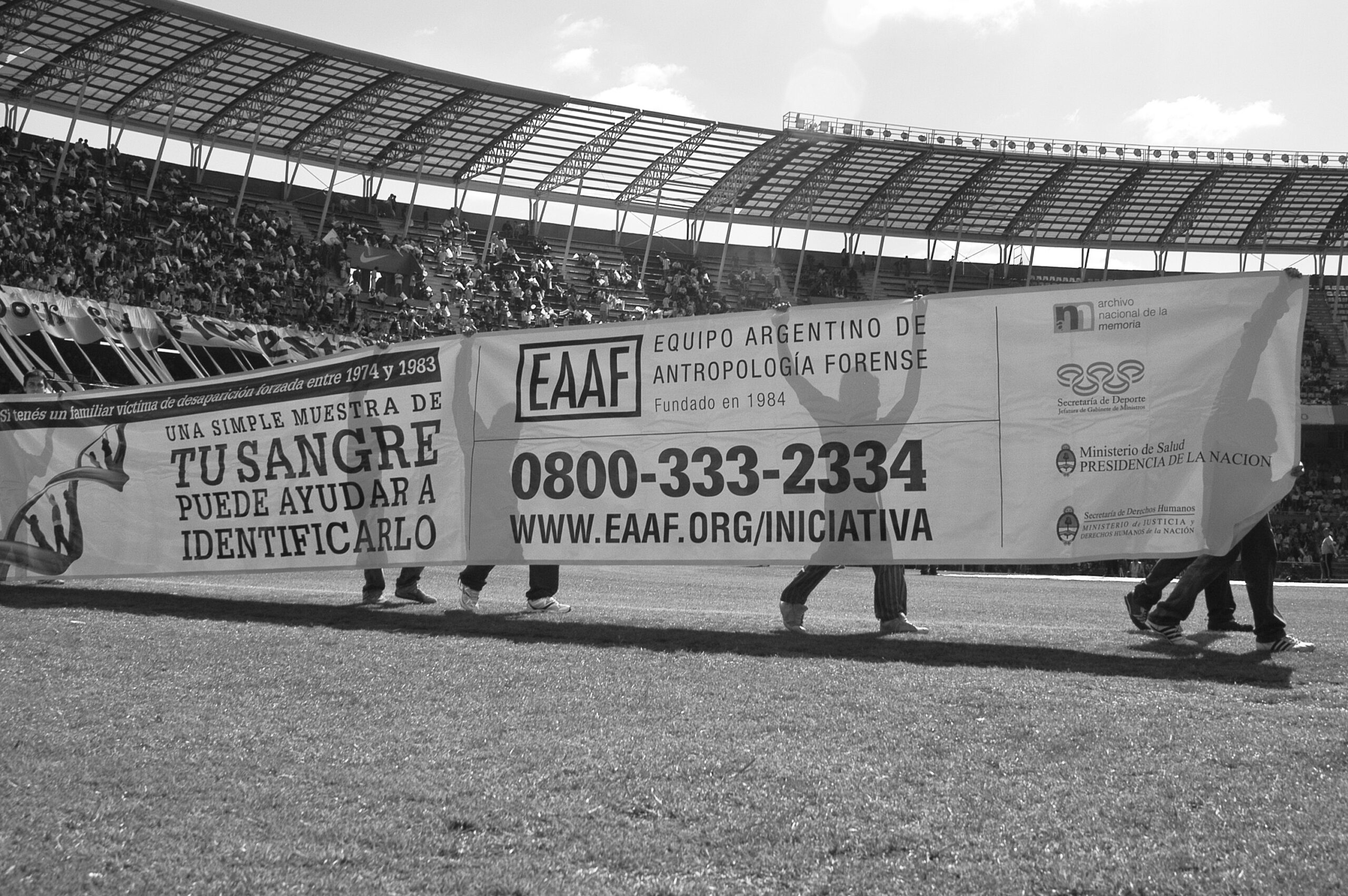
They have established a Genetic Data Bank and are promoting campaigns to encourage families to provide blood samples, so that DNA profiles can be compared with the remains found. Their work allows families to recover the remains of their loved ones, bringing closure to grieving processes that have remained unresolved for decades.
In 2019, the EAAF was nominated for the Nobel Peace Prize by CLACSO and the National University of Quilmes. Both organizations published a book to commemorate its first 35 years of work.
The EAAF's prestige is international, collaborating in investigations of war crimes and disasters in more than 50 countries.
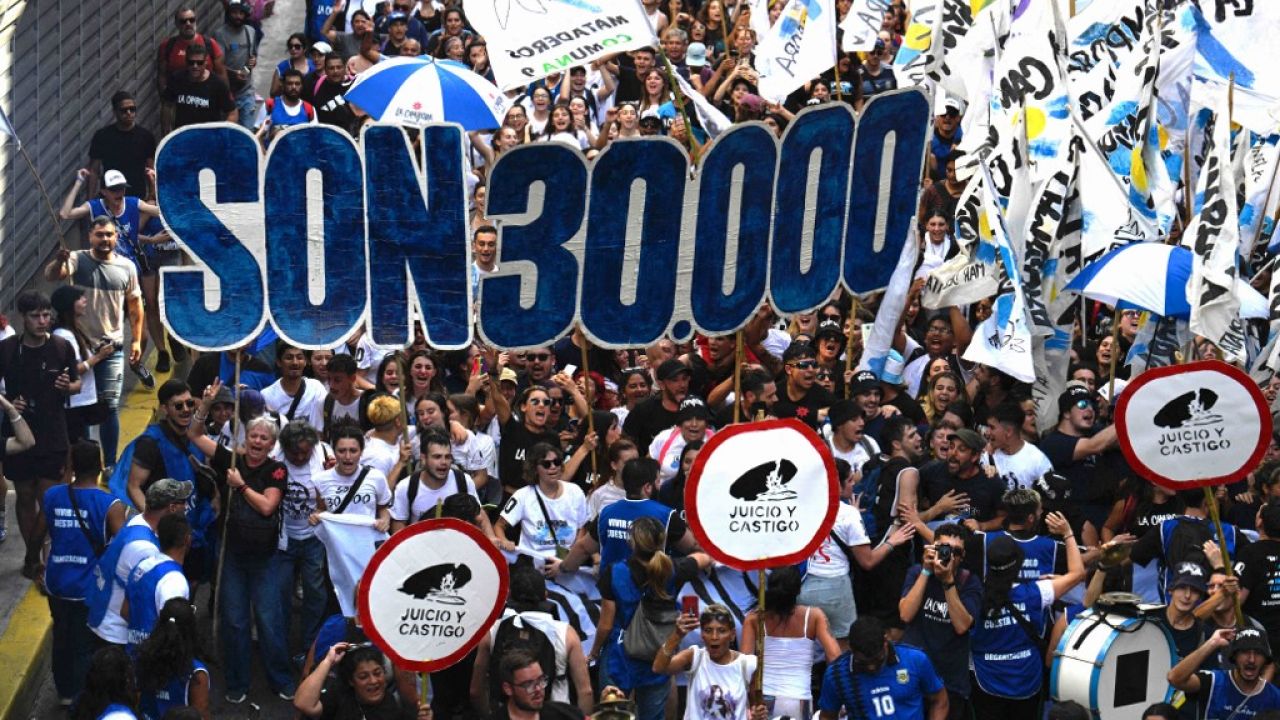
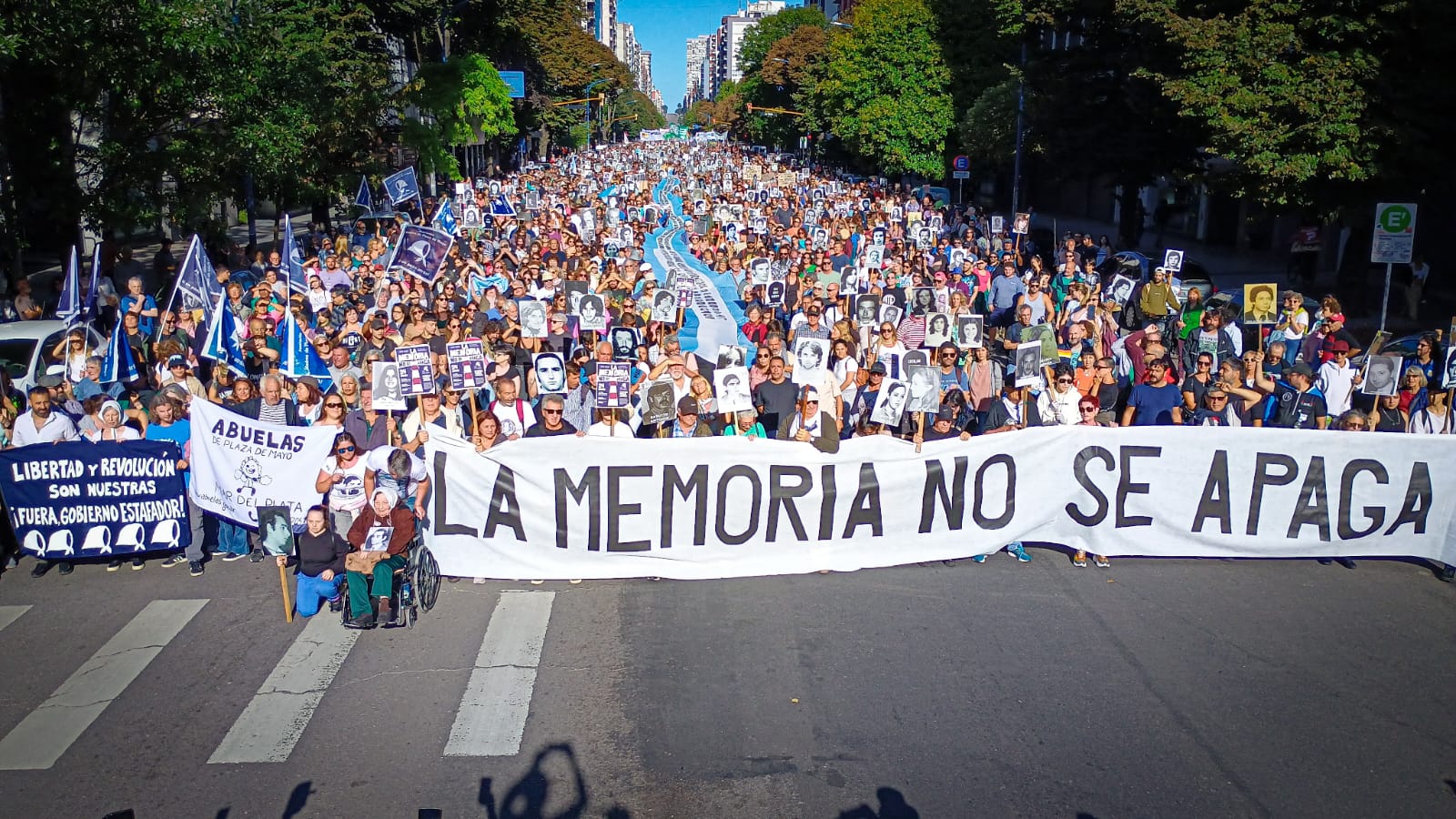
Every March 24th, since the return to democracy, marches multiply in the country's major cities, demanding Memory, Truth and Justice.
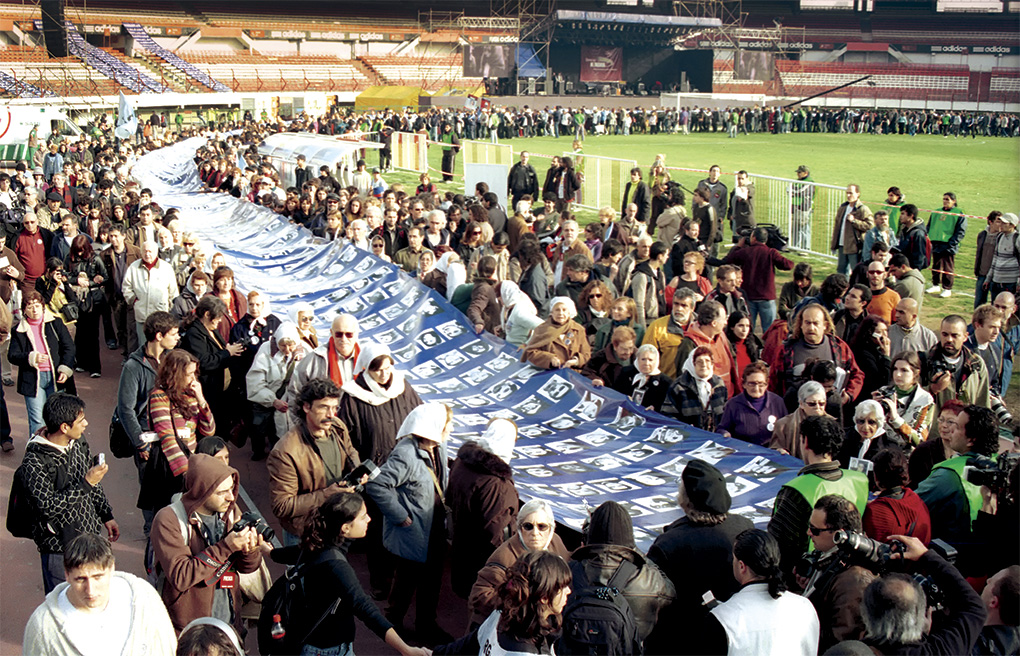
«The Other Final: The Match for Life and Human RightsOn June 29, 2008, at the Monumental Stadium of River Plate, on the 30th anniversary of the 78 World Cup, it was an act of redress for the victims of the dictatorship, which included a victory lap by the Mothers and Grandmothers of Plaza de Mayo along with relatives, carrying a banner with the faces of the disappeared detainees.
Figures from the 78 championship team participated, such as Leopoldo Luque, René Houseman and Ricardo Villa, who played a symbolic match against a team made up of human rights activists, survivors and artists.
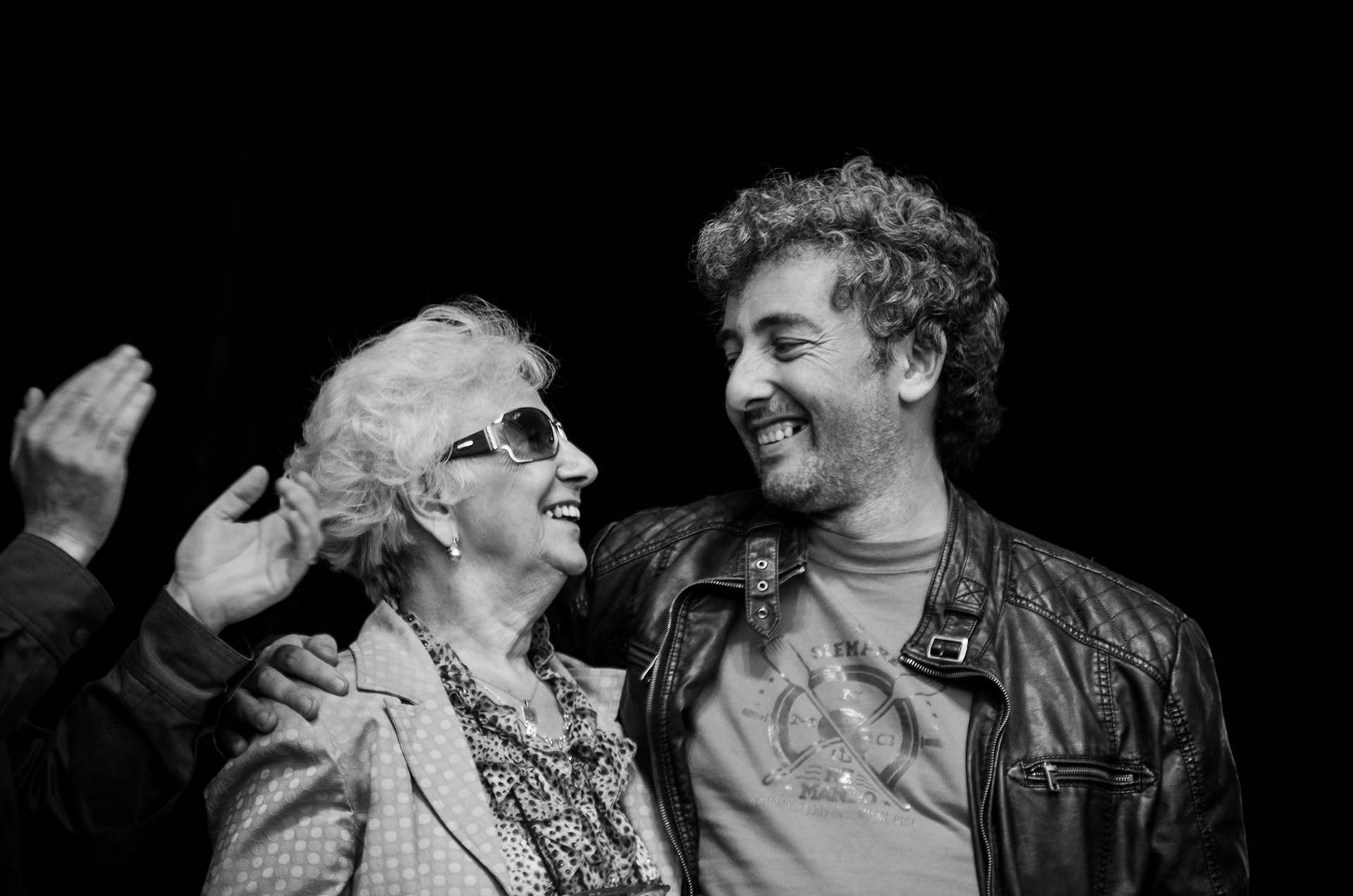
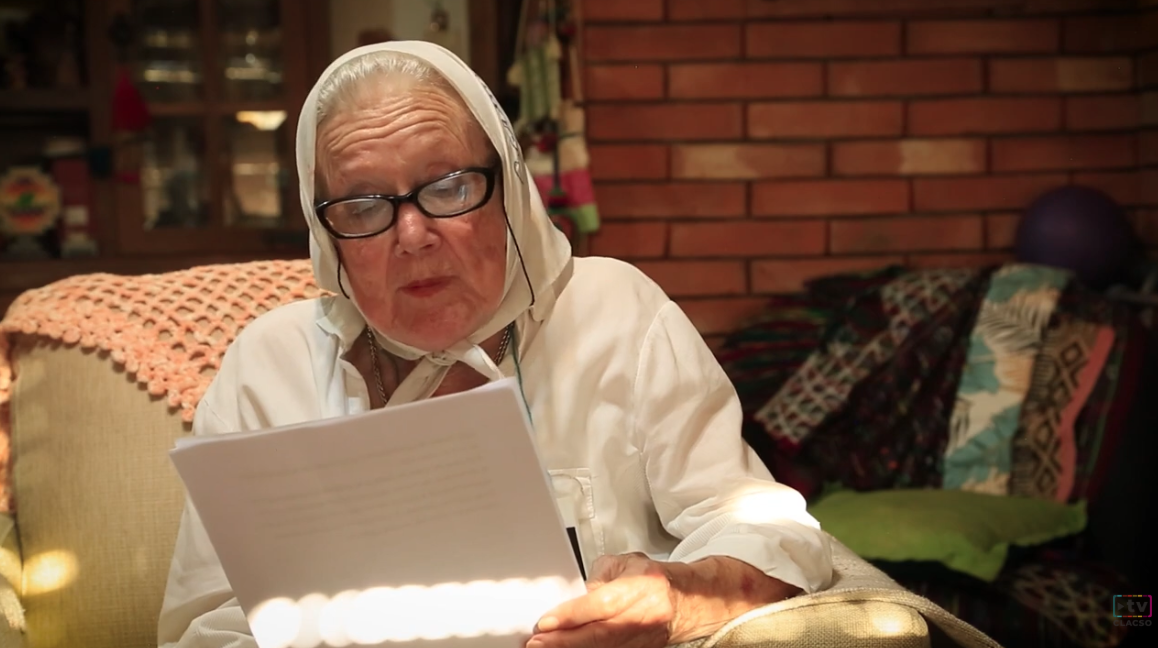
“We have been walking, searching, and raising the banners of the 30.000 for more than 45 years. We walk more slowly, it is true, many mothers and grandmothers are no longer with us, but we are propelled by the strength of the new generations. The memory does not fade, the truth is our cry repeated daily, justice a debt that must be paid…”.
- Nora CortiñasMothers of Plaza de Mayo Founding Line
CLACSO thanks the photographers and institutions that loaned their works for this traveling exhibition and the Space for Memory Institute
Production and direction
Gustavo Lema
Eric Domergue
Sebastian Higa
Noelia Croci
Guido Fontán
Renata Maestrovicente
Christian Iturricha
Institutional address
Pablo Vommaro (Executive Director)
Gloria Amézquita Puntiel (Academic Director)
Gustavo Lema (Director of Communication and Information)
Laura Gastón (Director of Administration)
Fernanda Pampín (Director of Editorial Production)
Alejandro Gambina (Director of Training and Postgraduate Network)
Magdalena Rauch (Research Coordinator)
Nora Goren (Coordinator of the Articulation and Strengthening Area)
Latin American Council of Social Sciences, Arts and Humanities
Executive Secretary
United States 1168 | C1101AAX | City of Buenos Aires, Argentina
Tel. [54 11] 4304 9145 | [email protected] | clacso.org
© Communication and Information Area | CLACSO 2026