
CLACSO's recognition of Estela Barnes de Carlotto
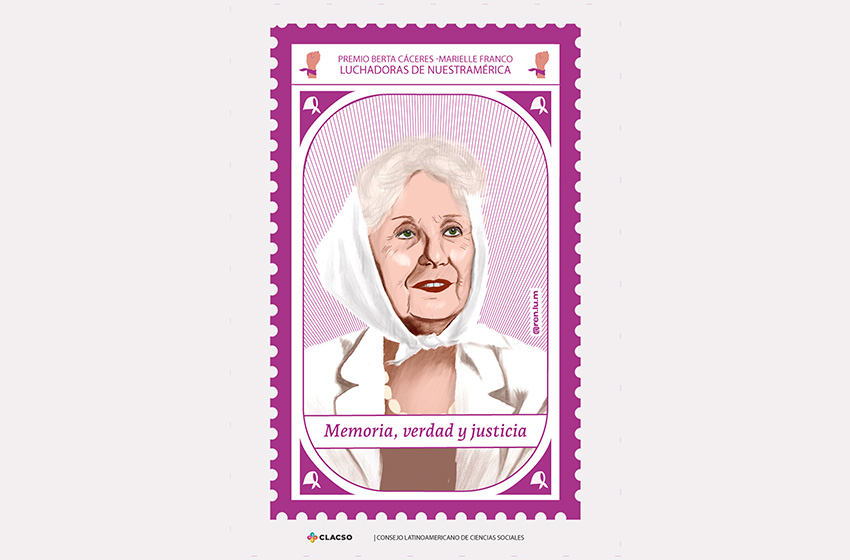
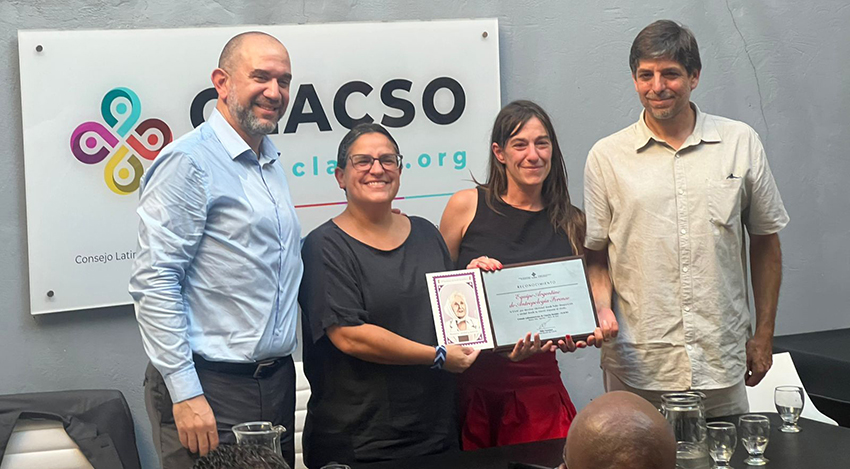
On Tuesday, March 31, at its headquarters at 1168 Estados Unidos Street in CABA, the Latin American Council of Social Sciences (CLACSO) gave a well-deserved recognition to the President of the Grandmothers of Plaza de Mayo of Argentina, Estela Barnes de Carlotto , awarding her the “ Berta Cáceres, Marielle Franco – Women Fighters of Our America ” Prize, which CLACSO will award, starting this year, every “March, month of women”, to recognized fighters for human rights, memory and justice in Latin America and the Caribbean.
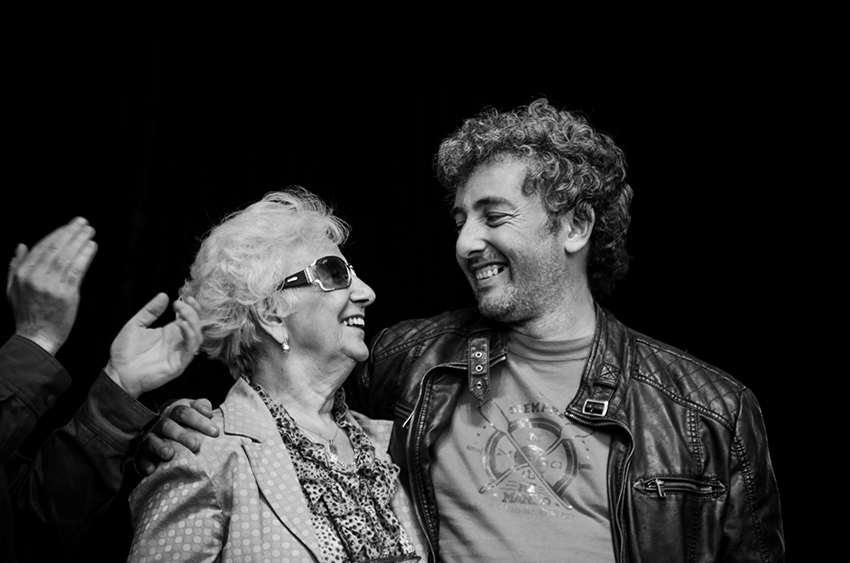
Estela is one of the most emblematic figures in the defense of human rights, not only in Argentina but internationally. As president of the Grandmothers of Plaza de Mayo, she has dedicated more than four decades to the search for the 500 grandchildren taken with their parents or born in captivity during the last civic-military dictatorship, advocating for the restitution of their identity and their right to the truth. Her work has been fundamental not only in the legal and social spheres, but also in the advancement of forensic genetics through the so-called "Grandparentage Index" and in the creation of the National Genetic Data Bank. On August 5, 2014, after 36 years of searching, she was reunited with her grandson, Ignacio Montoya Carlotto , an event that moved the world and reaffirmed the enduring relevance of the Grandmothers' struggle.
The award was presented to Estela during an event commemorating the 50th anniversary of the coup d'état in Argentina, held on Tuesday, March 31st. The gathering brought together diplomatic representatives, human rights leaders, memory and justice organizations, and institutional authorities from the education sector and the CLACSO network to:
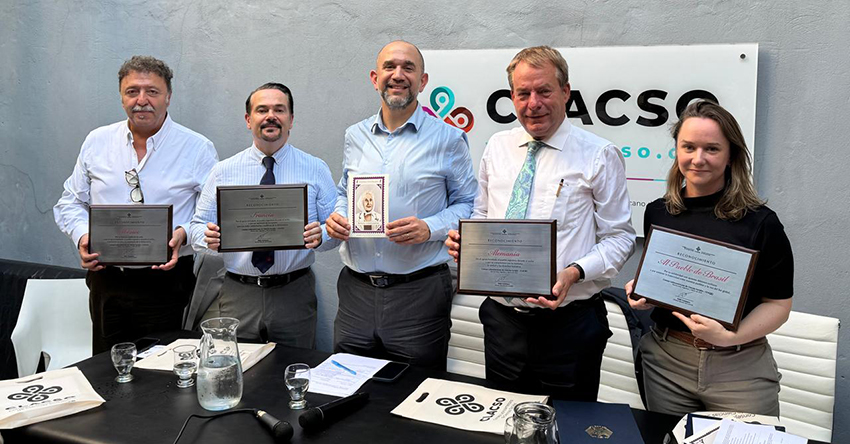
-Recognize countries and peoples that received exiles during the Argentine dictatorship.
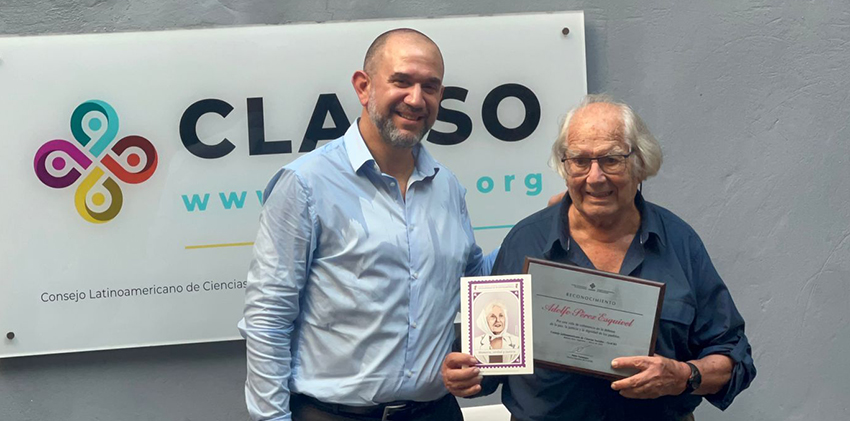
-To pay tribute to other historical figures in the struggle for human rights, memory and justice, such as Nobel Peace Prize winner Adolfo Pérez Esquivel and the Argentine Forensic Anthropology Team (EAAF).
Additionally, the traveling photo exhibition “ Images of Memory, ” entitled “ 50 Years After the Coup in Argentina – From the Seizure of Power to Democratic Recovery, ” was inaugurated, dedicated to the processes of memory, resistance, and democratic reconstruction. This event sought to remember the past, recognize international solidarity networks, and reaffirm the commitment to democracy, human rights, and justice in Latin America and the Caribbean.
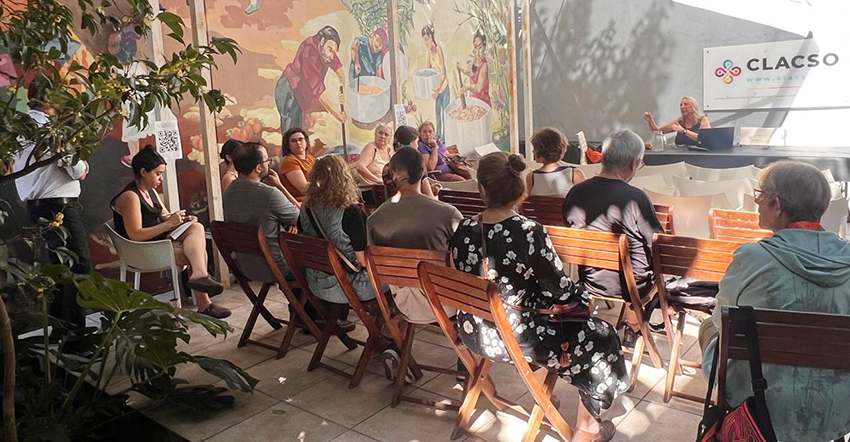
Previously, the face-to-face workshop “ Images in dispute. Photography, memory and power 50 years after the coup in Argentina ” was held , coordinated by Cora Gamarnik (UBA, Argentina).

