
“Memories that must be preserved and reclaimed”
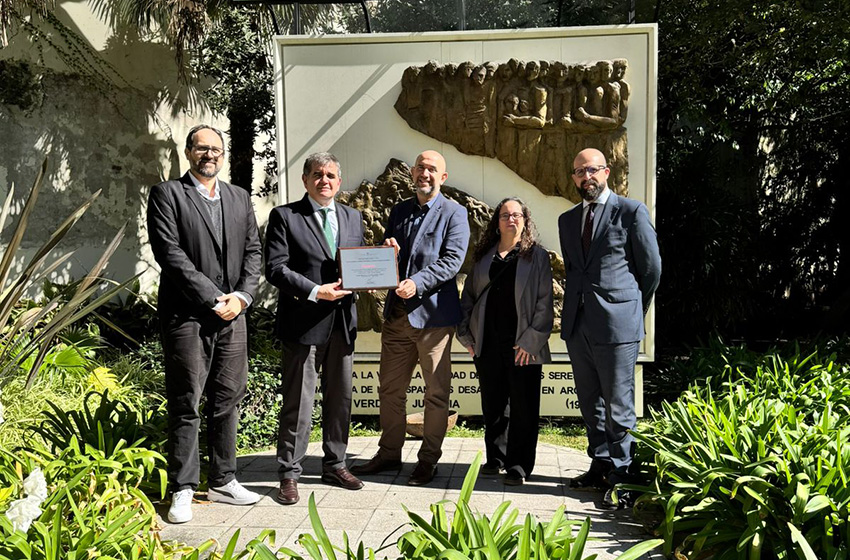
In the context of the 50th anniversary of the beginning of the last civic-military dictatorship in Argentina (1976-1983), the Latin American Council of Social Sciences (CLACSO) presented an award to Spain for its historical policy of welcoming and protecting exiles from Latin America during the years of state terrorism in the region.
The award was presented at the Spanish diplomatic headquarters in Buenos Aires, at a meeting attended by Ambassador D. Joaquín de Arístegui Laborde; the Executive Director of CLACSO, Pablo Vommaro; the Human Rights Counselor of the Embassy, Mr. Juan Gala Serra; the Director of Editorial Production at CLACSO, Fernanda Pampín; and the Council's Director of Communication and Information, Gustavo Lema.
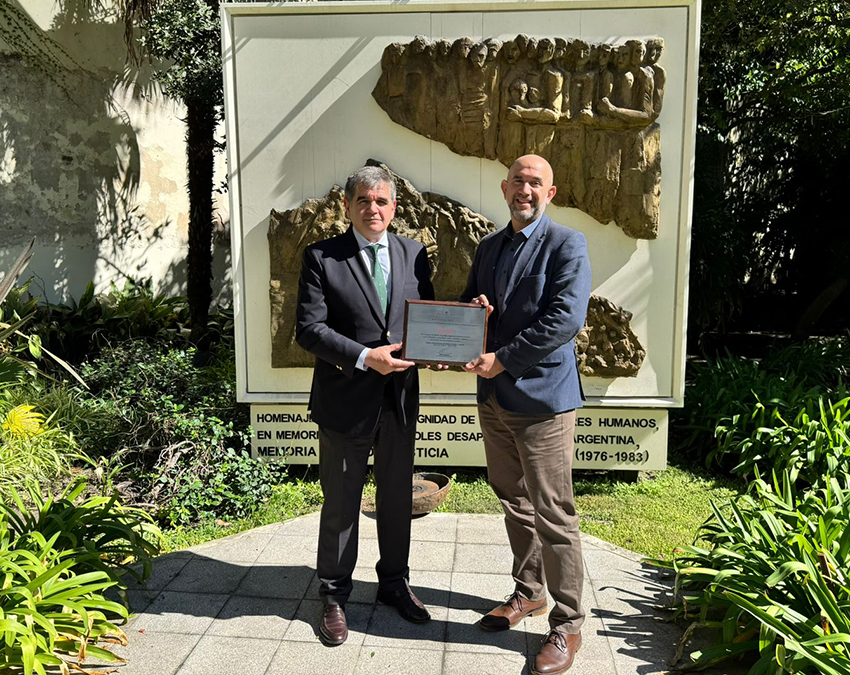
This recognition is part of a series of initiatives promoted by CLACSO to highlight the role of various countries and peoples who, during the dictatorships of the Southern Cone, provided refuge, protection, and opportunities to rebuild their lives to tens of thousands of people persecuted for political reasons. Within this framework, France, Germany, Mexico, Spain, Sweden, and the people of Brazil have already been recognized.
The ambassador emphasized Joaquín de Arístegui Laborde that “The Spanish diplomatic mission in Argentina is very proud to receive this plaque. It does so on behalf of the victims and the families of the Spanish victims in Argentina, and above all, on behalf of all those Argentinians who had to flee to Spain when the situation in their country forced them to seek refuge elsewhere. For all of this, I am extremely grateful to CLACSO for this gesture. This plaque will remain here as a lasting reminder, especially on this 50th anniversary of the 1976 coup. I emphasize the importance of keeping alive the memory of the victims in Argentina, in the case of the Embassy especially the Spanish victims, but in general, the memory of all the victims and all those whose lives were cut short by exile, even in a friendly country like Spain, during those years. These are memories that we must preserve, that we must reclaim, and that we must always remember because they are inextricably linked to human dignity.”
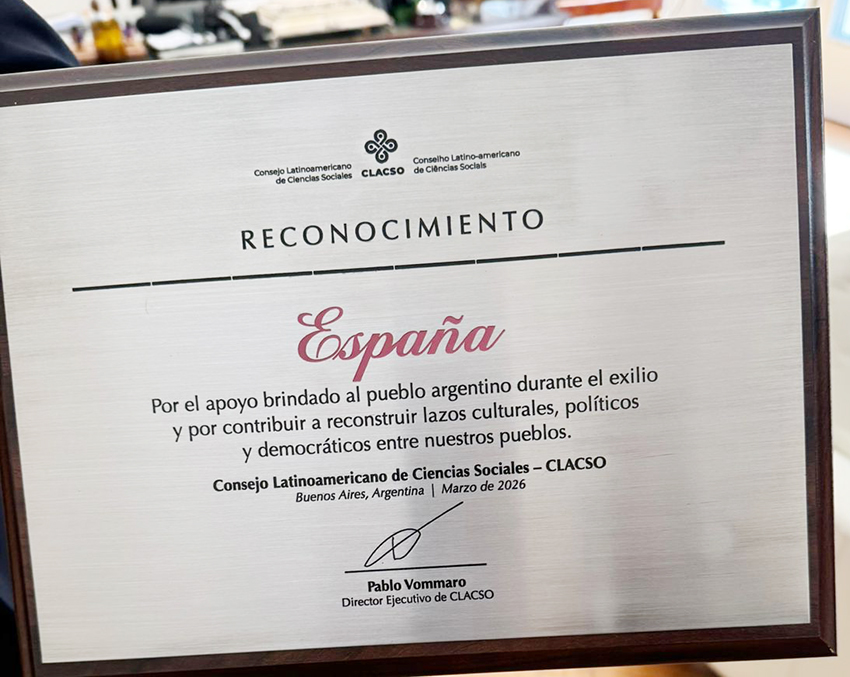
At the same time, Pablo Vommaro stressed that "Spain plays a fundamental role for us. Not only because it was the country that welcomed the most exiles, but also because of the 307 Spanish people who disappeared in Argentina; for this reason, we believe that Spain's commitment to human rights, democracy, international cooperation, and welcoming people who were at risk and had to leave the country to protect their lives and the lives of their loved ones is important."
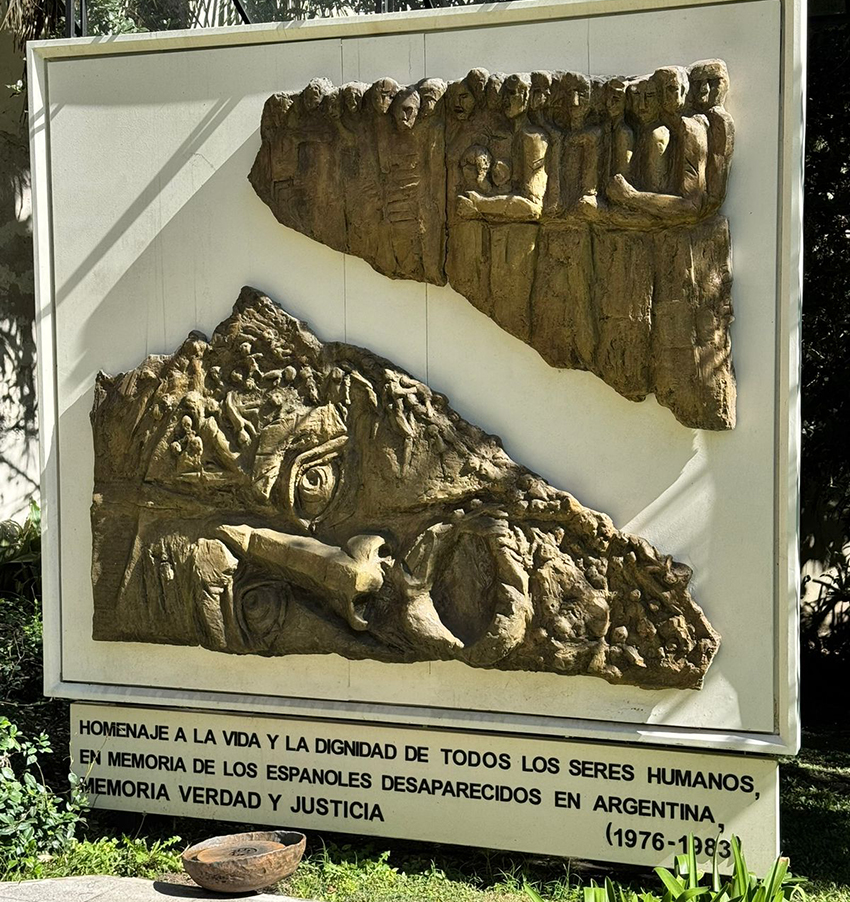
The awarding of this recognition is part of a broader agenda of commemoration and remembrance promoted by CLACSO, aimed at recovering historical experiences of international solidarity and highlighting the principles that are essential today to face contemporary challenges.
On March 31st, at the CLACSO executive headquarters in Buenos Aires, an event of recognition, remembrance, and democratic commitment took place, bringing together diplomatic representatives, human rights leaders, memory and justice organizations, and institutional authorities from education and the CLACSO network to recognize countries and peoples that received exiles during the Argentine dictatorship, and to present an award to the President of the Grandmothers of Plaza de Mayo of Argentina. Estela Barnes de CarlottoThe “Berta Cáceres, Marielle Franco Award – Women Fighters of Our America” and to pay tribute to other historical figures in the struggle for human rights, memory and justice, such as the Nobel Peace Prize winner Adolfo PÃ © rez Esquivel and Argentine Forensic Anthropology Team (EAAF).
Also, the traveling photographic exhibition “Images from memory“called50 years after the coup in Argentina – From the seizure of power to the recovery of democracyDedicated to the processes of memory, resistance, and democratic reconstruction, this event sought to remember the past, recognize international solidarity networks, and reaffirm the commitment to democracy, human rights, and justice in Latin America and the Caribbean.
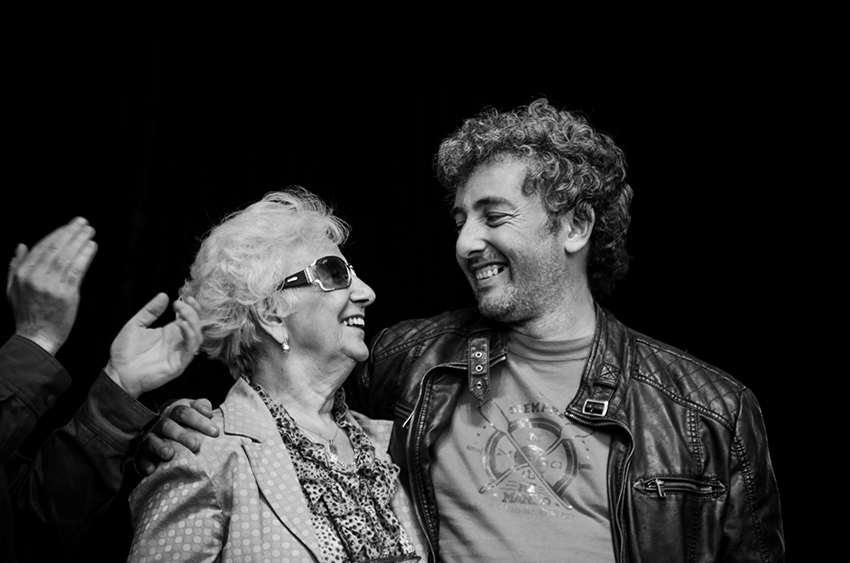
CLACSO's recognition of Estela Barnes de Carlotto

