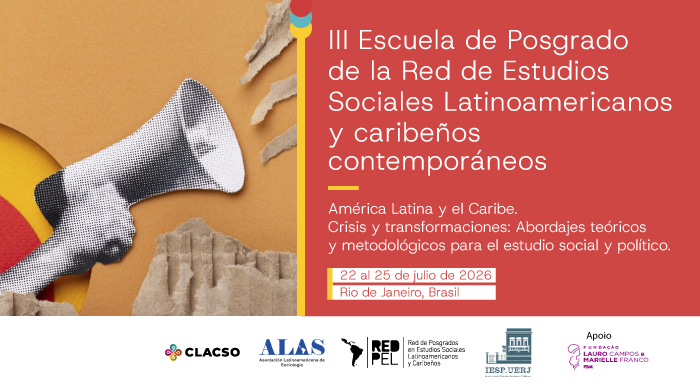
III Graduate School of the Network of Contemporary Latin American and Caribbean Social Studies
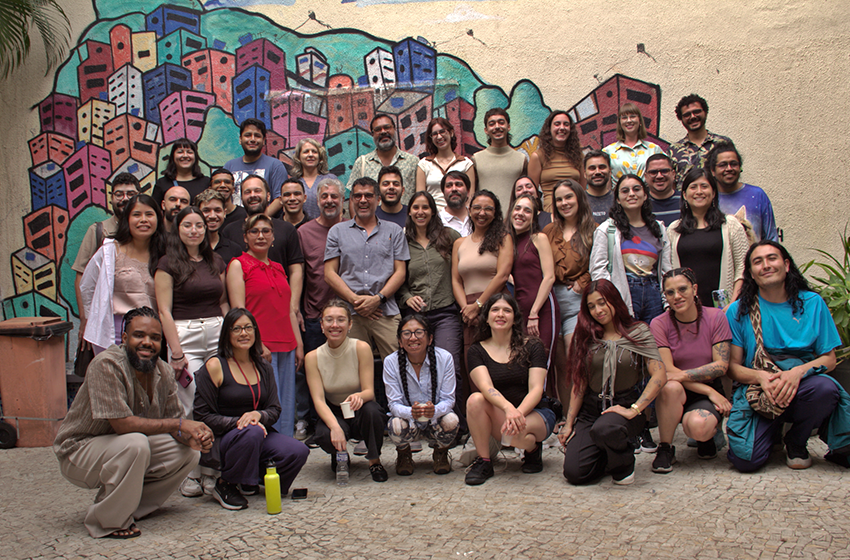
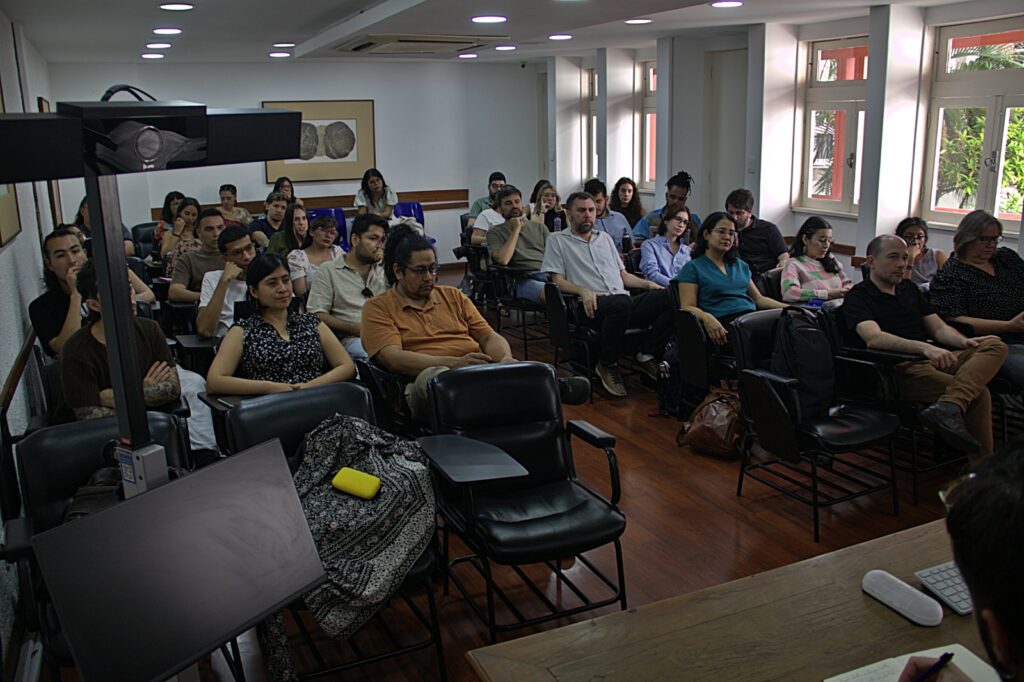
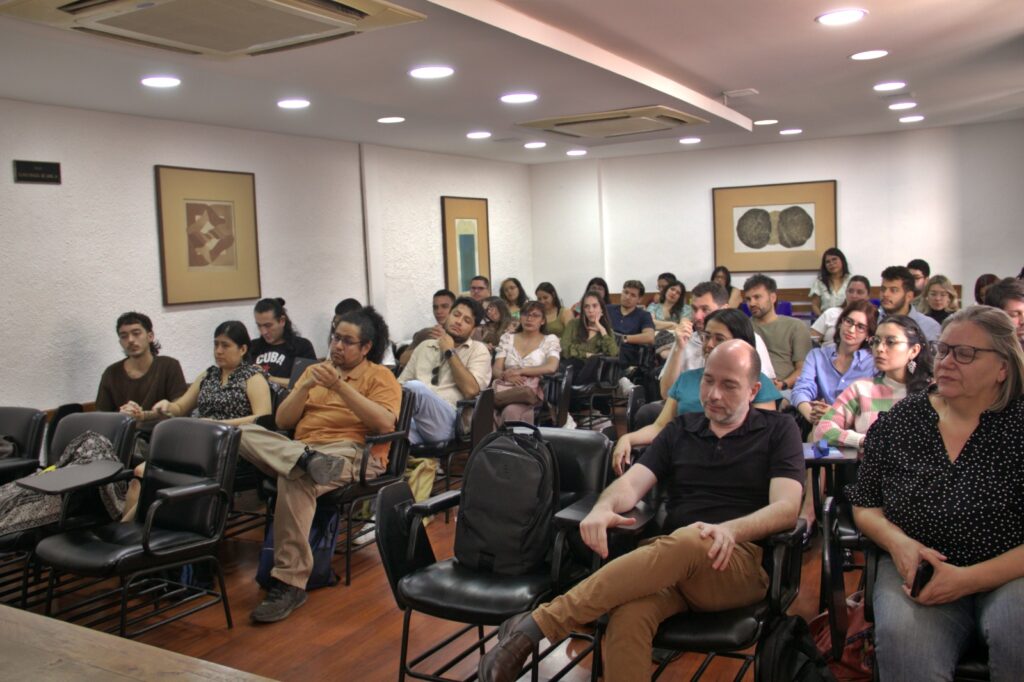
With the participation of master's and doctoral students, teachers, researchers, representatives of social organizations and public policy officials from eleven countries in Latin America and the Caribbean, the III Graduate School of the Network of Contemporary Latin American and Caribbean Social Studies began on July 22 in Rio de Janeiro, Brazil.
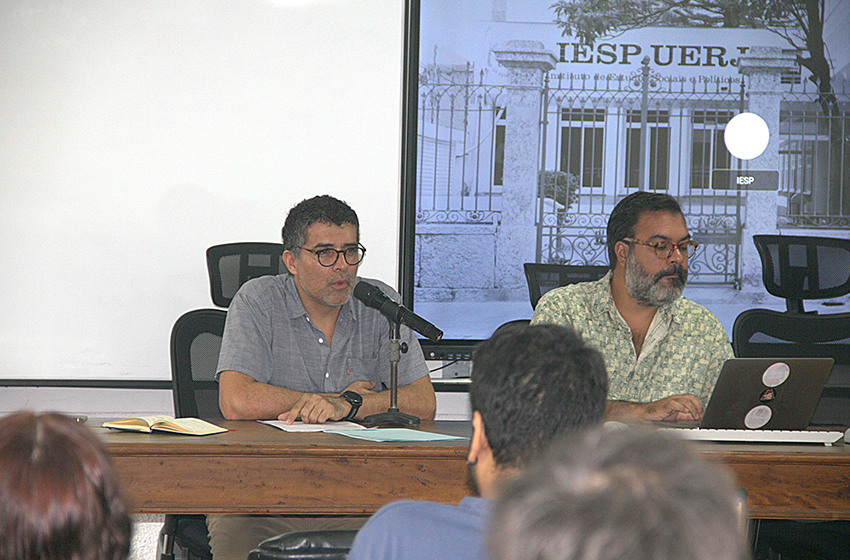
The School is organized by the Latin American Council of Social Sciences (CLACSO), the Latin American Sociological Association (ALAS) and the Network of Postgraduate Programs in Latin American Social Studies (REDPEL), in coordination with the Institute of Social and Political Studies of the State University of Rio de Janeiro (IESP-UERJ), with the support of the Fundação Lauro Campos e Marielle Franco and nine postgraduate programs in social sciences and sociology of the state of Rio de Janeiro.
Under the motto "Latin America and the Caribbean. Crisis and transformations: theoretical and methodological approaches for social and political study", this third edition proposes an intensive training space aimed at strengthening the research projects of the participants and promoting dialogue between academia, social organizations and public institutions from a critical and interdisciplinary perspective.
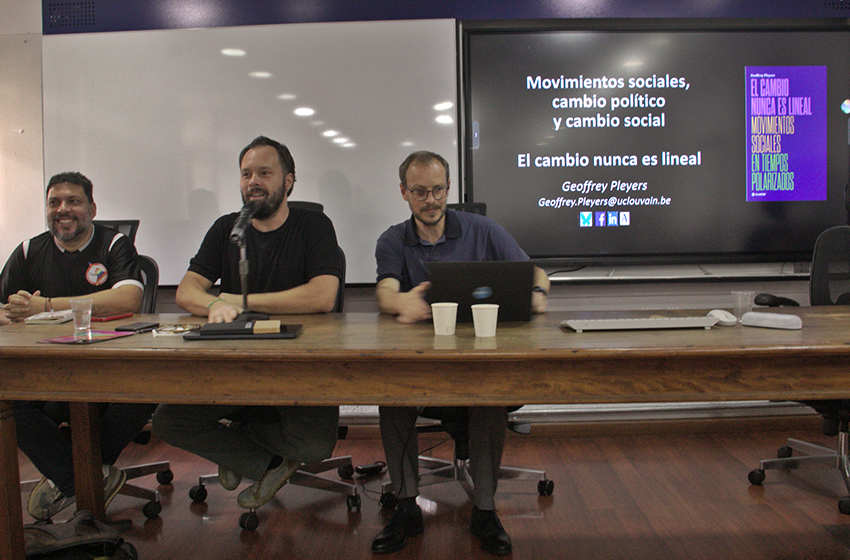
Over four days, the program will address some of the main challenges facing the region, with conferences, panels, colloquiums, and methodological workshops dedicated to critical social theory, economic dependency and sovereignty, social movements, political ecology, ecosocial transitions, geopolitics, care work, human rights, inequalities, artificial intelligence, and platform capitalism, among other topics. The activities will be led by prominent figures in Latin American and Caribbean social sciences.
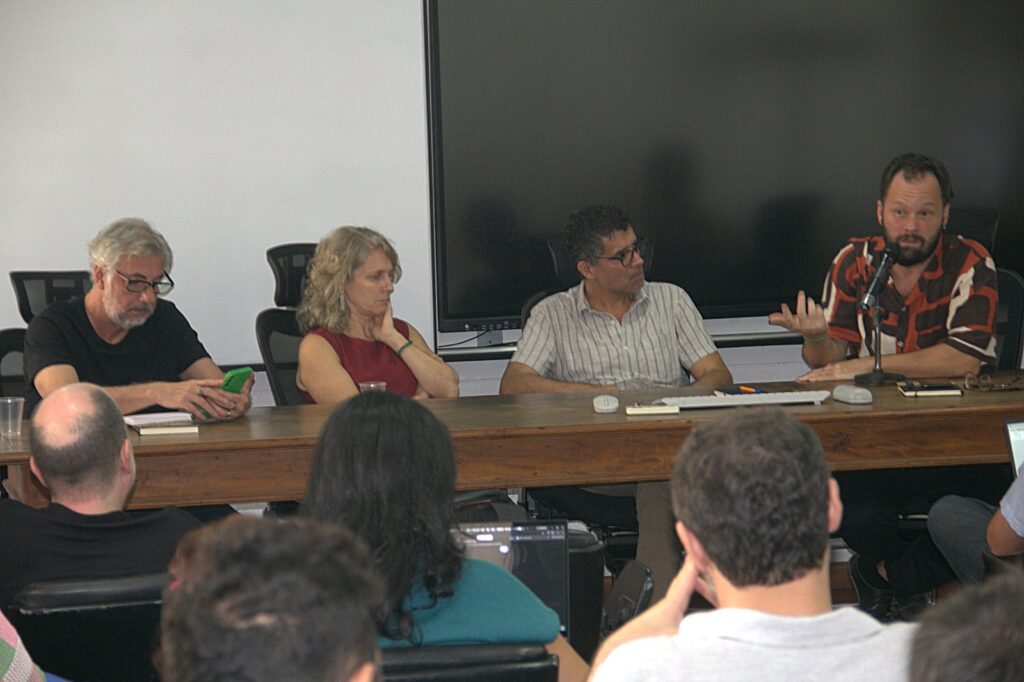
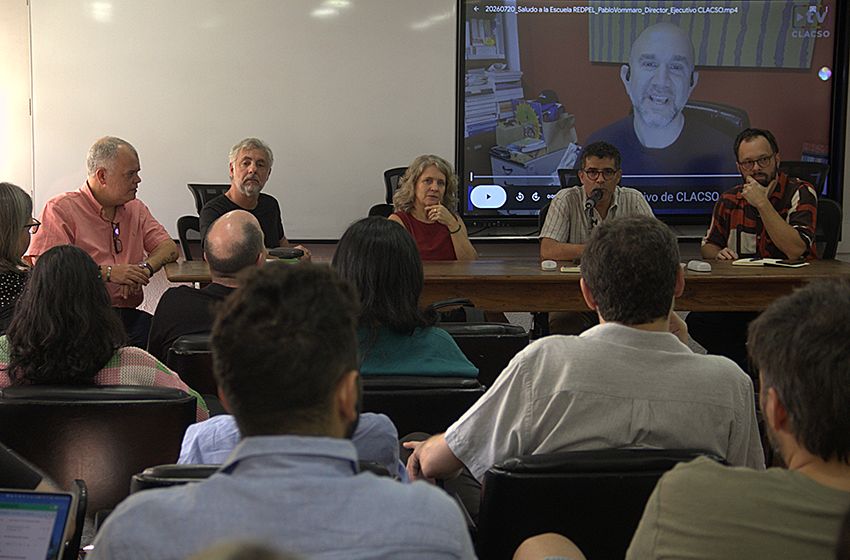
In his opening remarks, CLACSO Executive Director Pablo Vommaro emphasized that an International Graduate School is much more than an intensive academic program: it constitutes an experience of encounter, coexistence, and collective knowledge building that strengthens research and cooperation networks in the region. He also reaffirmed CLACSO's commitment to public, critical, interdisciplinary, and Latin Americanist education, dedicated to democracy, social justice, and the integration of Latin America and the Caribbean.
The III Postgraduate School will take place until July 25 at the IESP-UERJ facilities and will conclude with a collective activity dedicated to debating alternatives to the polycrisis and the horizons of change for the region.
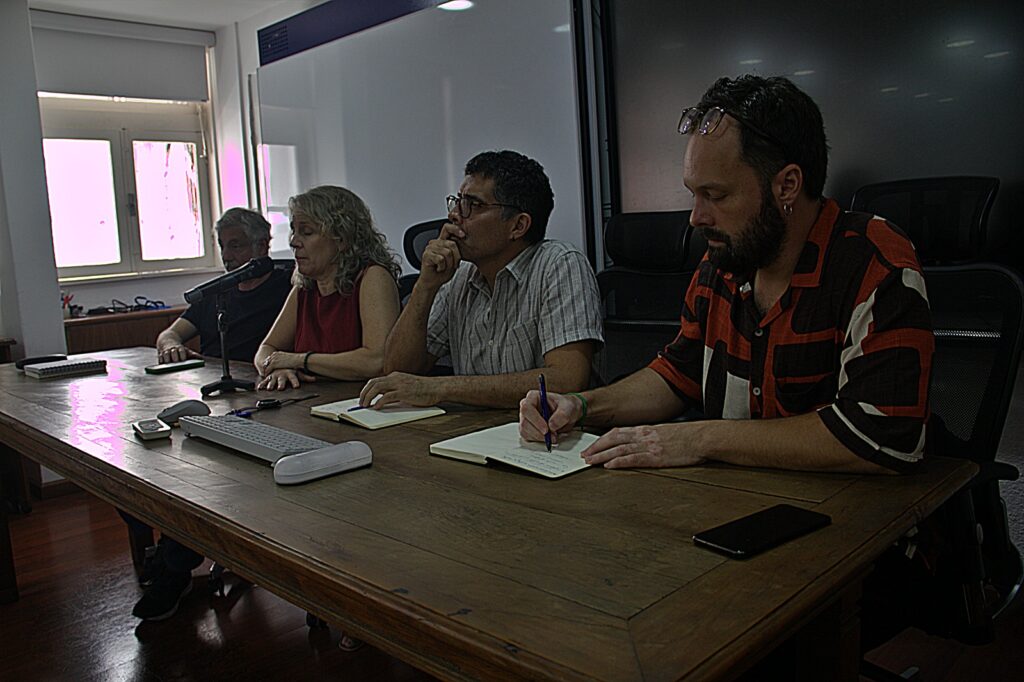
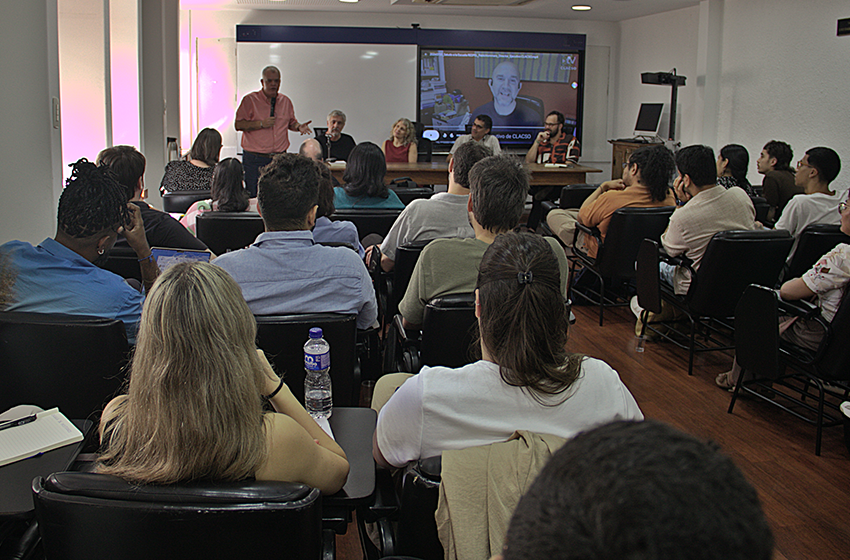
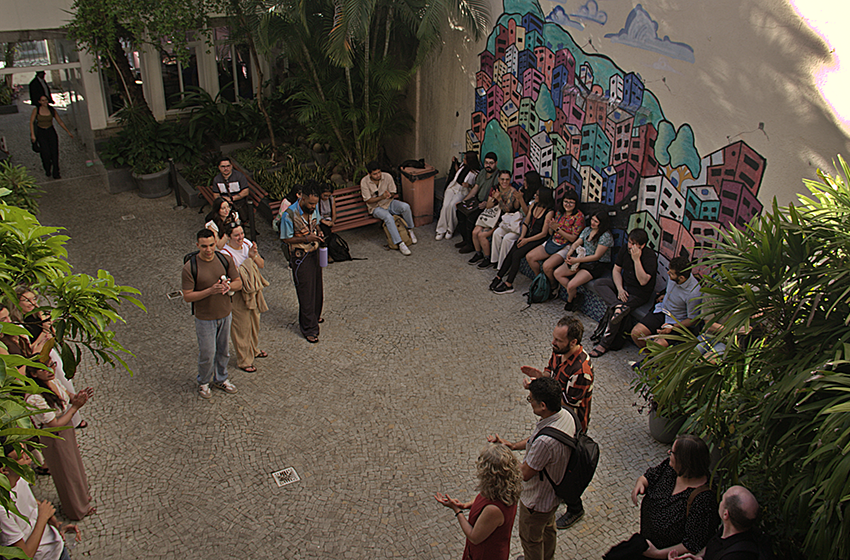
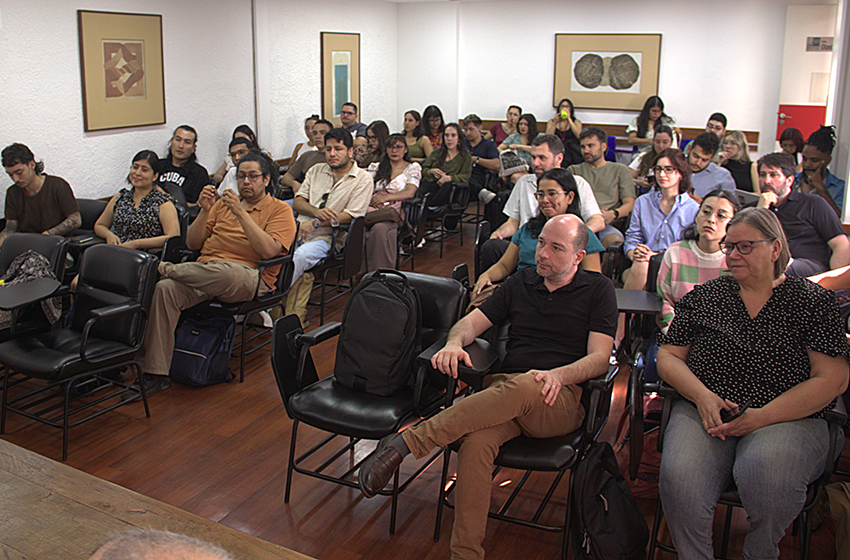
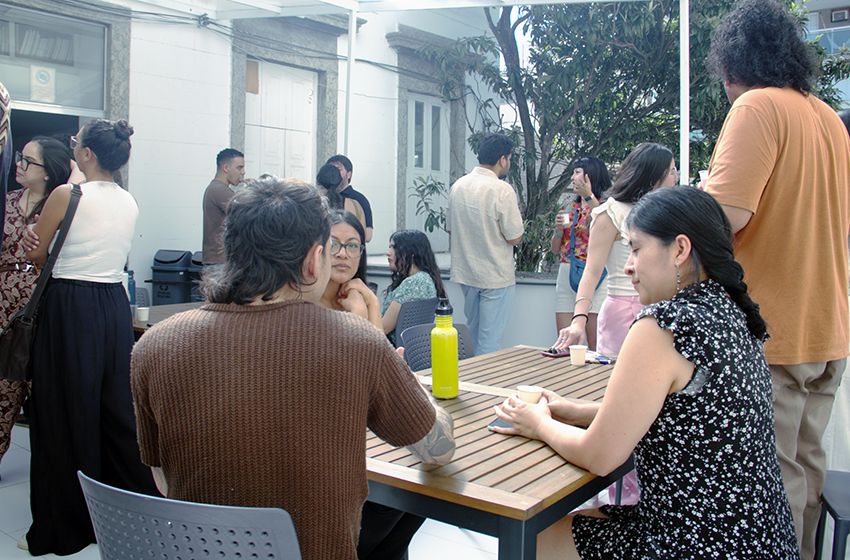
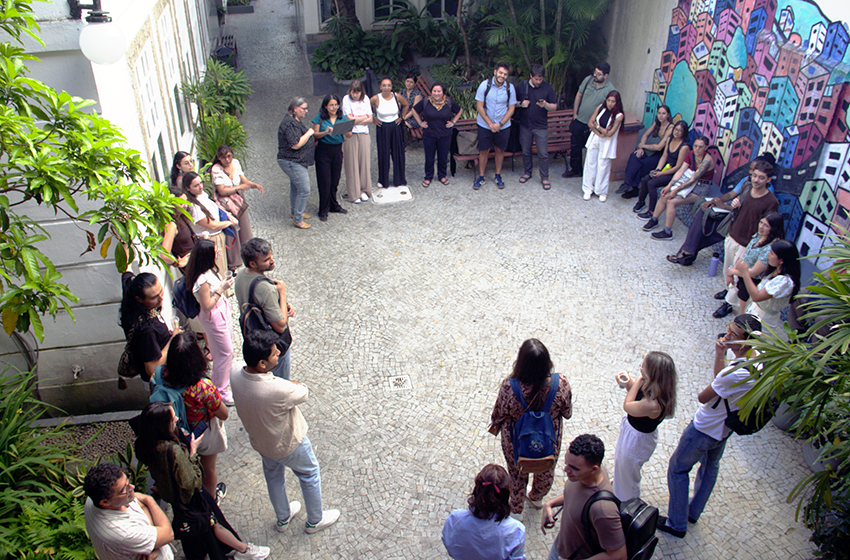
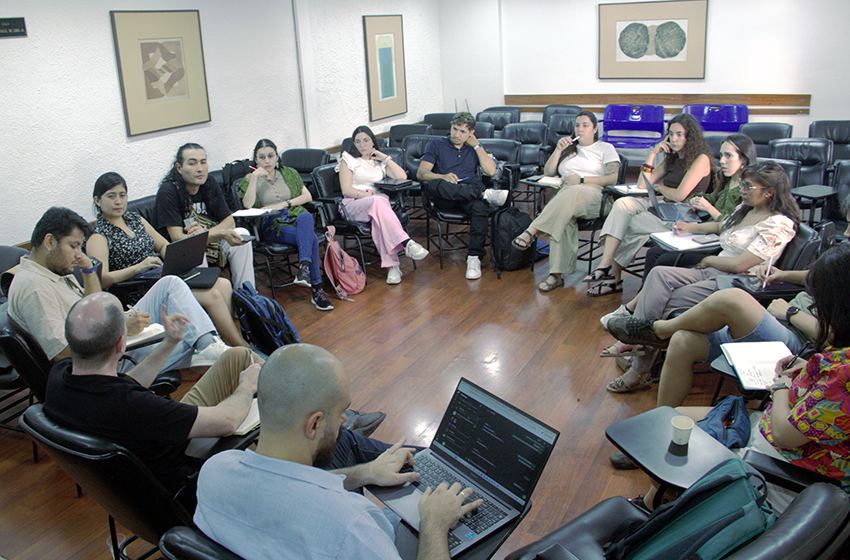
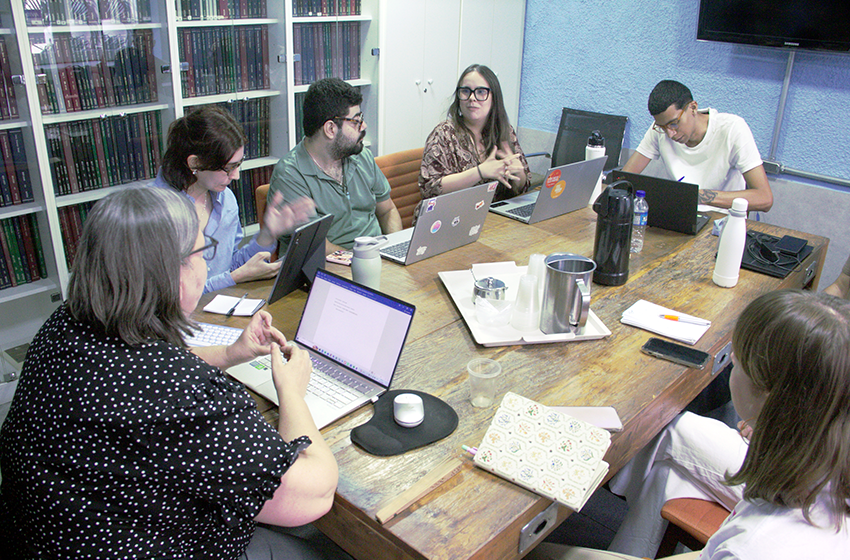
Below, we share some images from the opening day.
More information on the III Postgraduate School of the Network of Contemporary Latin American and Caribbean Social Studies