
“During the dictatorship in Uruguay, the process of greatest concentration and foreign ownership of land occurred.”
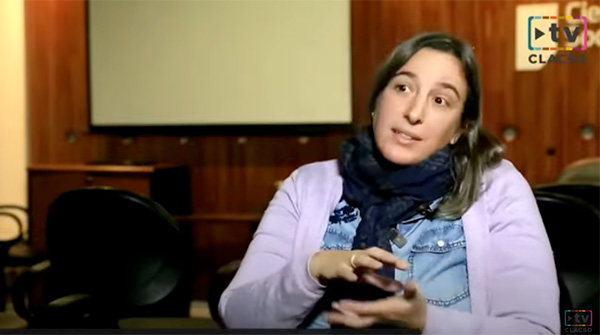
50 years after the civic-military coup in Uruguay on June 27, 1973, Paola Mascheroni, PhD in sociology from the University of the Republic (UDELAR), member of the CLACSO Working Group “Agricultural work, inequalities and ruralities”, participated on June 21 in the Panel: “Underground social changes here and beyond political authoritarianism: contributions and debates from the social sciences before and after the Coup d'état”, organized by the Latin American Council of Social Sciences and CLACSO Member Centers in Uruguay.
He analyzed that, at the agricultural level, the years of the dictatorship "are when the dismantling of protectionism is most pronounced, and therefore family farming undergoes a very strong process of decline. In those decades, it was reduced by half, leading to a process of greater land concentration and foreign ownership. This changes not only the land structure, which becomes more extensive, but also the social actors linked to production. And this generates many repercussions in terms of population mobility, with family farms and workers migrating to the cities and creating urban belts around them."
Furthermore, he maintained that “in rural areas, the processes of repression were always different; the movements were mostly urban. Yes, there were some grassroots rural movements, especially linked to sugarcane production, where many MLN leaders participated and sought an alliance with the urban labor movement for their struggles. The marches of the sugarcane workers who came from the interior of the country to bring their demands were very memorable here in Uruguay.”
Interviewed by Gustavo Lema

50 years after the coup in Uruguay
If you would like to receive more information about CLACSO's training programs:
[widget id=”custom_html-57″]
to our email lists.

