
International Day of Indigenous Peoples
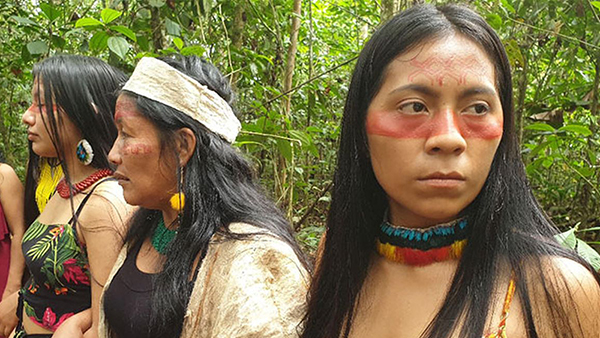

Through its resolution 49/214, in 1994 UNESCO proclaimed August 9 as the International Day of the World's Indigenous Peoples , promoting the recognition and protection of their universal rights.
Indigenous communities are currently among the most vulnerable populations in the world. According to United Nations data, there are approximately 476 million indigenous people in 90 countries, representing slightly more than 5% of the global population.
Each year, the UN establishes an agenda to delve deeper into the lives of indigenous peoples around the world. This year, it focuses on the role of women in communities, highlighting their crucial role in transmitting indigenous knowledge and traditional practices: through their collective involvement in all aspects of community life, they care for natural resources, defend their lands, and advocate for the rights of indigenous communities worldwide.
However, the United Nations acknowledges that further action is needed to address discrimination and strengthen women's representation. Women and girls have less access to essential services and opportunities, including sexual and reproductive health services such as contraception and maternal healthcare. Furthermore, they are often excluded from decision-making, not only in political decisions at the local, national, and international levels, but also regarding decisions about their own bodies, lives, and families.
The UN also highlights the need to improve the healthcare system for Indigenous women and girls, as statistics indicate that they die during pregnancy and childbirth more frequently than other women, and face greater risks of violence and harmful practices, including sexual violence during armed conflict and labor exploitation. Finally, it states that strategies must be established to advance equality and health security for women in the community, respecting their bodily autonomy, strengthening their leadership, and promoting equality within their communities.
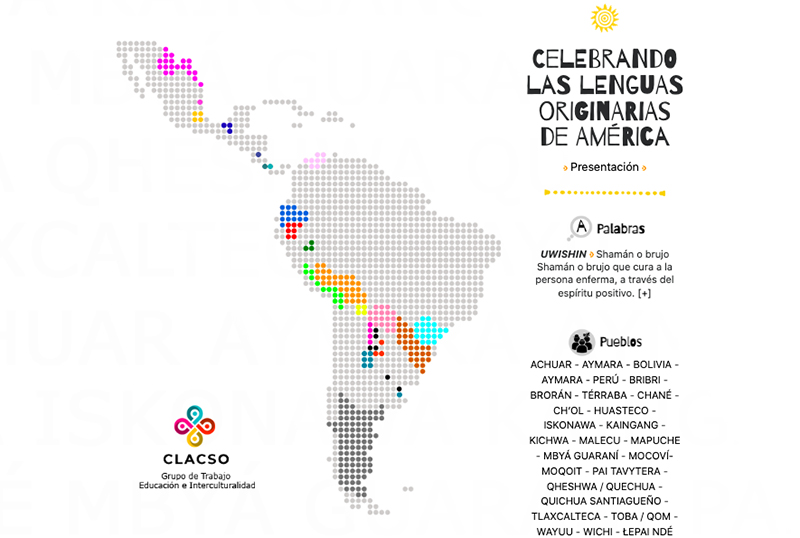
Linguistic rights, cultural richness, pluralism, autonomy, territoriality, and collective rights are central themes and rallying cries for Indigenous emancipation in the face of state neglect and the neoliberal system. To contribute to highlighting the magnitude of these languages, their uses, richness, and existing diversity, in early 2020 the CLACSO Working Group on “Education and Interculturality” presented the work “ Celebrating the Indigenous Languages of the Americas, ” compiling words in Indigenous languages of the Americas.
Watch the keynote address at #CLACSO2022 “Indigenous Peoples, Territories and Autonomies”

See Bulletin: Autonomies Today. Indigenous Peoples in Latin America

If you would like to receive more information about CLACSO's training programs:
[widget id=”custom_html-57″]
to our email lists.

