
International Conference on Agrarian Reform and Rural Development
The Second International Conference on Agrarian Reform and Rural Development (ICARRD+20) was held in Cartagena de Indias from February 24 to 28, preceded by an Academic Meeting from February 20 to 23.
The International Academic Conference “For the Land, Life and Society” from Friday 20 to Monday 23 February at the University of Cartagena, co-organized by CLACSO , was one of the preliminary events leading up to the Second International Conference on Agrarian Reform and Rural Development (ICARRD + 20) , organized by the Government of Colombia with the support of the Food and Agriculture Organization of the United Nations (FAO) and co-organized by the Government of Brazil , with the Latin American Council of Social Sciences (CLACSO) forming part of the organizing, communication and methodological committee of the Conference.
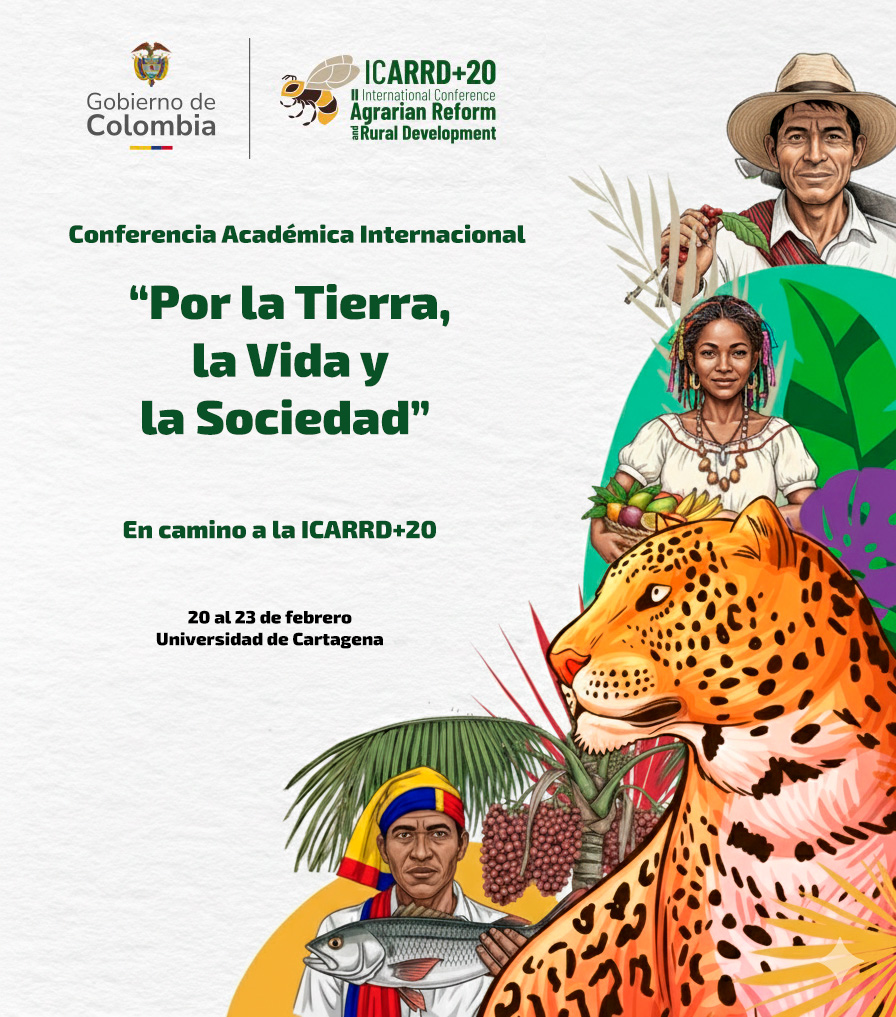
INTERNATIONAL ACADEMIC CONFERENCE “EARTH, LIFE AND SOCIETY”
20 to 23 for February
CLACSO's participation:
-Saturday February 21
• Álvaro AcevedoPanel: “Land and resource grabbing, the war on drugs and violent conflict”
-Saturday February 21
Carlos VacafloresPanel: “Natural resource policy in the context of water, the climate crisis and biodiversity”
-Sunday, February 22
Lia PinheiroPanel: “Geopolitics, imperialism, South-South cooperation and alternative paths”
-Sunday, February 22
Pablo Vommaro, Closure panel
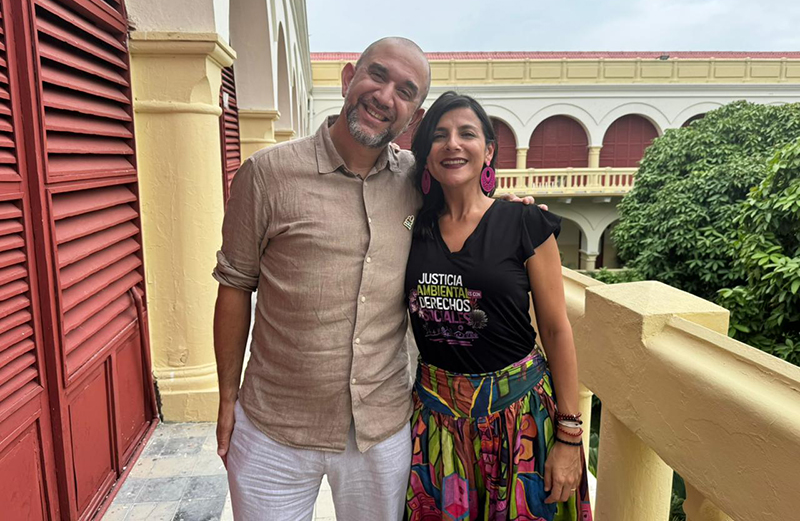
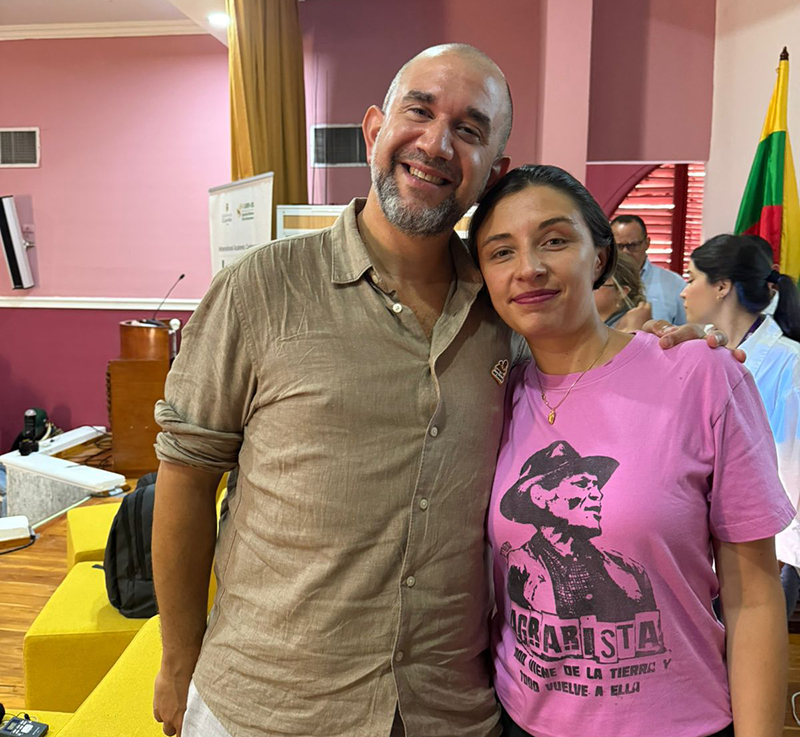
Pablo Vommaro with the Colombian Minister of Environment, Irene Vélez Torres (above)
and with the Minister of Agriculture and Rural Development of Colombia, Martha Carvajalino (down)
FINAL DOCUMENT ACADEMIC CONFERENCE
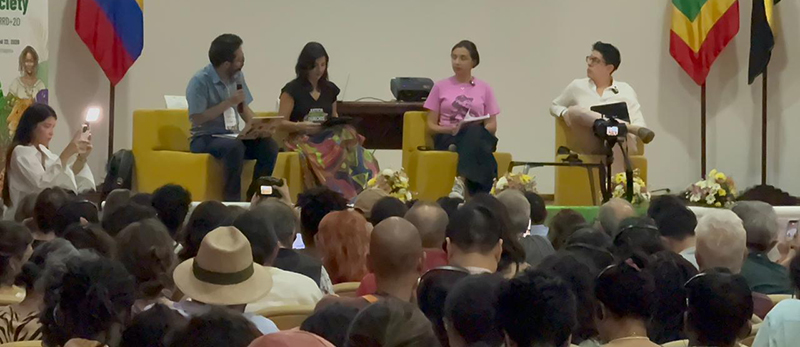
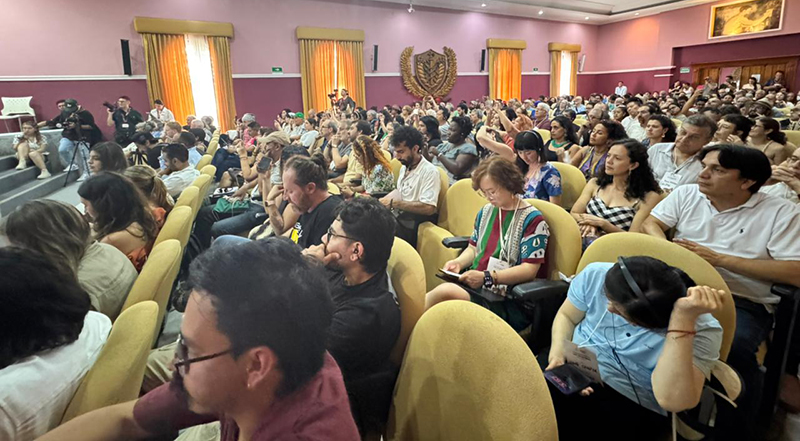
Opening ceremony
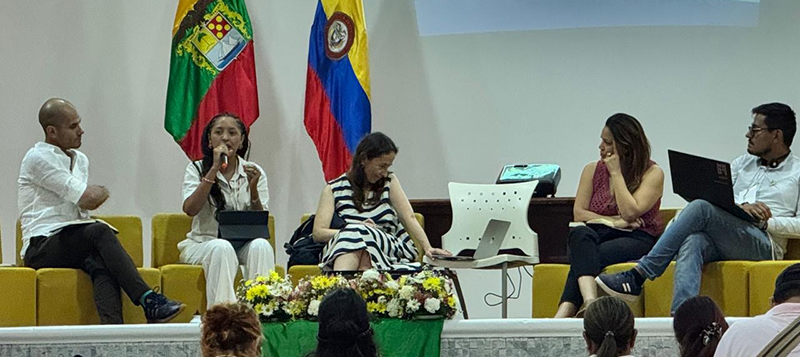
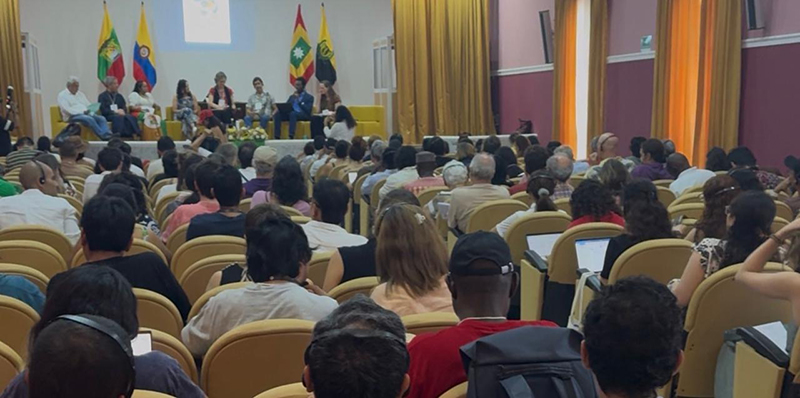

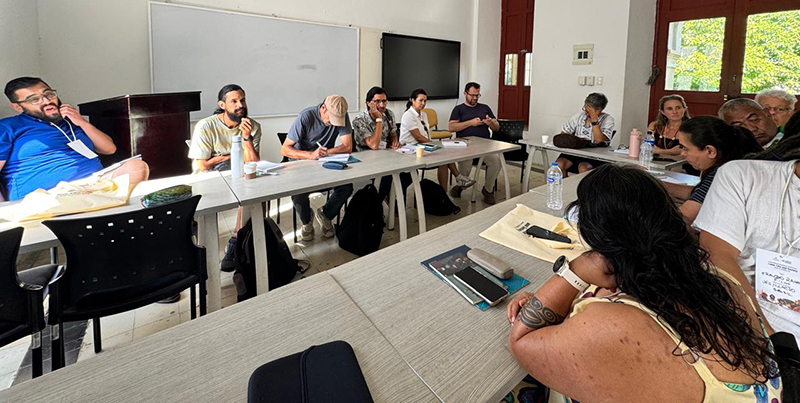
Panels and activities
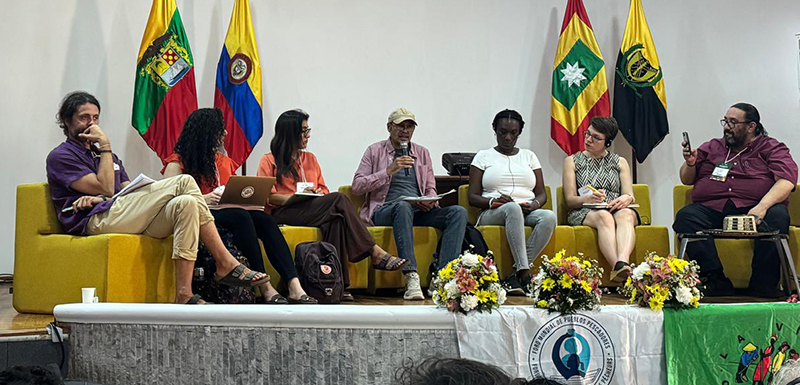
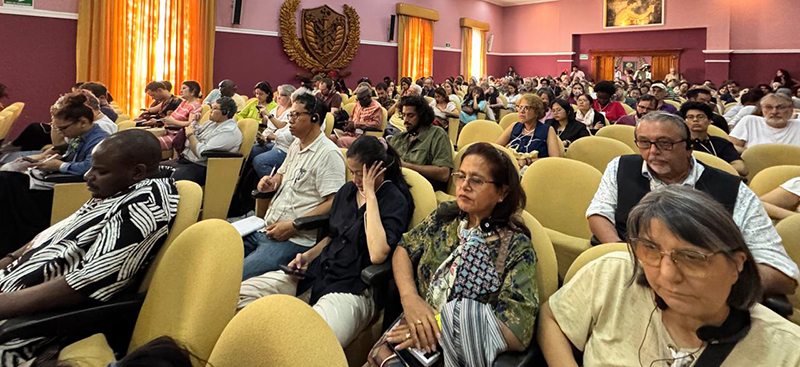
closing panel
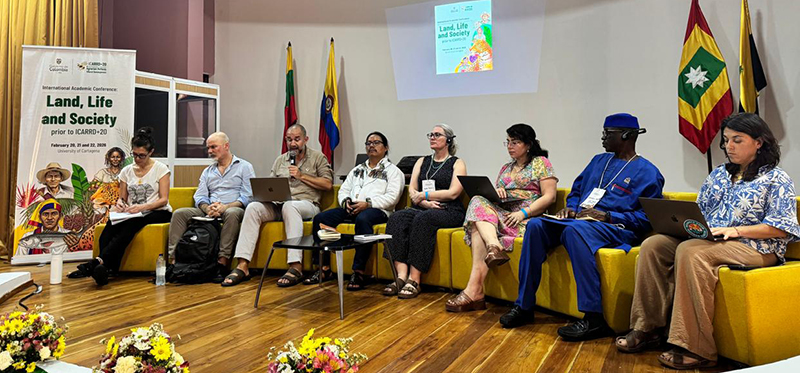
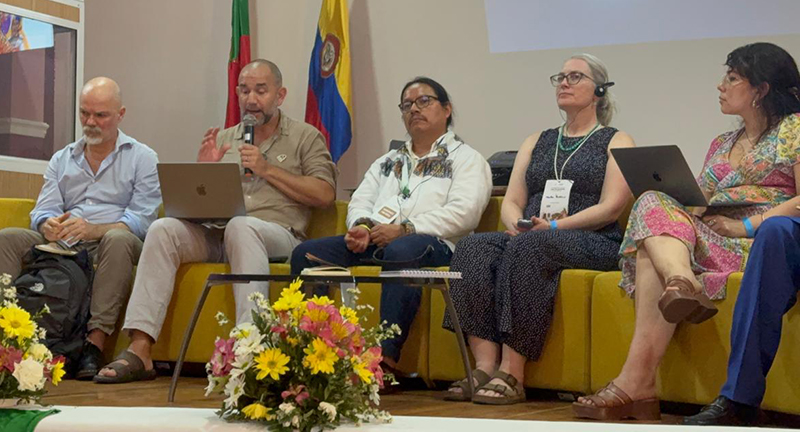
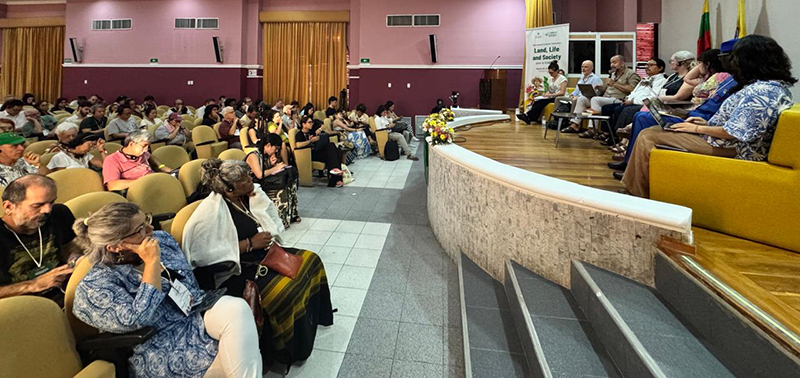
In his address, Pablo Vommaro stated that “at CLACSO, we adhere to an approach to agrarian reform that moves away from an agrocentric perspective and a focus limited to land access. We propose conceiving agrarian reform from a comprehensive perspective that, starting with common goods and public goods, integrates ecosystems, water, care for life, community processes, territories, resilient food systems, and collective rights. In this regard, we emphasize the importance of community spaces, territories, forests, and waterways as key players in agrarian reform processes. We consider it essential to incorporate an intersectional approach that considers gender, ethnicity/race, class, and territory, as well as a generational dimension, recognizing the role of young people with equal participation.”
“An important question that will allow us to move forward in this process, ” he continued, “is how we protect and preserve the gains and processes we have built in the face of advancing regressive policies. In this sense, autonomy is a tool to achieve this, and historical reparations (an R that needs to be incorporated) are fundamental for agrarian reforms to also constitute processes of justice. We uphold the approach based on multidimensional justice (gender and diversity, racial, climate, territorial, fiscal, epistemic, and even algorithmic justice), historical reparations, and sovereignty (food sovereignty, among others).”
He then added: “Based on this, CLACSO proposes the following strategies for following up on what happened at the International Academic Conference, the Social Forum and ICARRD + 20 towards the next ICCARD and beyond:
– The articulation between critical and transformative academic spaces and social organizations must translate into work with governments and into informed public policies, with societal protagonism and a long-term perspective.
– We call upon governments to work together to guarantee the collective territorial rights of indigenous peoples, Afro-descendant, Black and Afro-diasporic peoples, fishing, pastoral and agrarian communities and to ensure the principle of non-regression of acquired collective and territorial rights.
– We also ask governments to incorporate agrarian reforms into the agendas of multilateral organizations within the United Nations system, especially the FAO and its committees, to ensure transparency, respect for rights, democratic institutions, and to promote the participation of communities and peoples who are subjects of original rights in conflict resolution.
– We call for the creation, within the framework of the International Academic Conference, the Social Forum and ICARRD + 20, of the necessary institutional mechanisms and processes to ensure the follow-up of the agreements resulting from these three spaces so that the next ICCARD will be an expression of the progress we achieve in the next two years to reestablish a space for monitoring and advocacy with multi-sectoral participation.
Finally, we call upon States to develop agrarian reform processes within their national policies that restore, recognize, and respect the collective and territorial rights of peoples and nations in relation to land rights . This will allow us to integrate the resolutions of the Academic Conference, the Social Forum, and ICARRD + 20 with the COP30 agenda, sustain cross-cutting, multidimensional , and multi-sectoral approaches, and advance the construction of a community with a shared future and new worlds with justice, democracy, and equality as an alternative to the civilizational and climate crisis.
“They can count on CLACSO to assume and implement these commitments,” he concluded.
ICARRD+20
24 to 28 for February
The meeting aimed to update the international agenda on land governance, focusing on the issue of Agrarian Reform, equitable access to land and social and climate justice, with an approach from Agroecology.
Representatives from countries, social organizations, indigenous communities, farmers, the private sector, academia and multilateral entities participated, commemorating the 20th anniversary of the first conference in 2006 in Porto Alegre, Brazil.
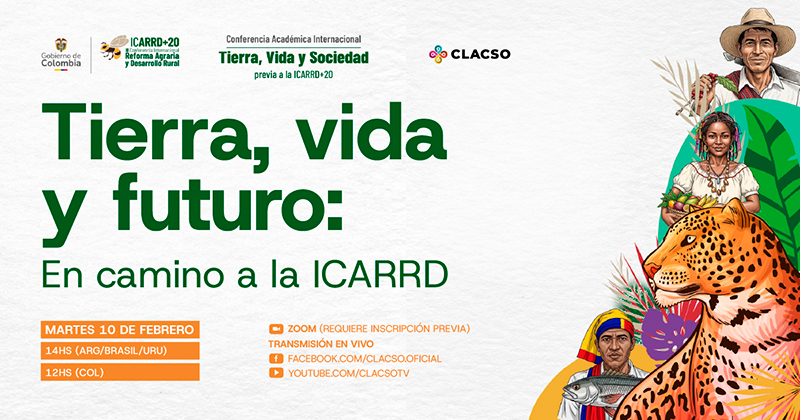
Earth, life and future: On the road to ICARRD
As part of the preparatory process for the Second International Conference on Agrarian Reform and Rural Development (ICARRD+20), the webinar “ Land, Life and Future: On the Road to ICARRD ” was held on Tuesday, February 10. It was conceived as a space for strategic and high-level dialogue between public institutions, academia and social movements around a central and urgent issue: agrarian reforms for the 21st century.
Thematic Areas of the ICARRD+20
-Agrarian Reform and Sustainable Food Systems: This section addresses the central role of agrarian reform in building fair, resilient, and environmentally sustainable food systems. It will explore how an equitable distribution of land is fundamental to transforming the rural world, promoting practices that combat environmental degradation and ensure long-term food production.
- Combating Hunger and Global Food Governance: This addresses the critical intersection of land tenure, hunger, and poverty. It will analyze how food security and sovereignty, along with the human right to food, must be pillars of global governance frameworks, directly linking agrarian reform to the eradication of hunger.
-Land Stewards and Collective Action: This focuses on the fundamental role of rural, indigenous, and peasant communities as rights holders and guardians of ecosystems. Discussions will explore how to strengthen their collective action for soil and biodiversity restoration, recognizing their traditional knowledge and management of the land.
-Gender Justice in Access to Land: This highlights the need to guarantee women's rights to land and ownership as a central element of agrarian reform. It includes economic empowerment, access to productive resources, and gender justice to ensure that women are both beneficiaries and effective leaders of rural development.
-Integrated Land Governance and Convergent Policies: This approach proposes expanding the land governance agenda beyond distribution, integrating key policies such as climate action, ecosystem restoration, trade and investment regulation, taxation, financing, digitalization, social security, and labor rights. The goal is to protect agricultural soils through a multi-sectoral approach.
-International Mechanisms for Equitable Land Tenure: This section assesses the role of global institutions (such as the FAO and the Committee on World Food Security – CFS) and other governance mechanisms in promoting equitable land tenure and sustainable rural development. It will analyze how these bodies can support and monitor international commitments to agrarian reform.
The First International Conference on Agrarian Reform and Rural Development, held by the FAO in Brazil in 2006, marked a global turning point by positioning equitable access to land as an essential condition for combating hunger, reducing rural poverty, and strengthening peace. Its Final Declaration spurred international commitments that subsequently led to key milestones, such as the UN Declaration on the Rights of Indigenous Peoples, the Voluntary Guidelines on Land Governance adopted in 2012, and the recognition of land access in the 2030 Agenda. It also promoted greater protection for peasants, indigenous peoples, and rural women against inequality and historical exclusion.
In October 2024, the Committee on World Food Security accepted Colombia's proposal to host the International Conference on Agrarian Reform and Rural Development ICARRD+20. Subsequently, the FAO Council ratified this decision at its 176th session in December 2024, giving full international legitimacy to this process.
Thus, ICARRD+20, twenty years after the historic Porto Alegre Conference (2006), brings together governments, international organizations, indigenous peoples, peasants, Afro-descendants, rural women, and youth from more than 100 countries. This conference relaunches the international agenda on equitable access to land, agrarian reform, and sustainable rural development.

