
Colombia chooses: Democracy or a return to the past?
On Wednesday, June 17, at 16:00 PM in Argentina, Uruguay and most of Brazil (UTC-3), InfoCLACSO will be live on the YouTube channel and the Facebook and LinkedIn profiles.
– Colombia chooses: Democracy or a return to the past?
On Sunday, June 21, Colombians will go to the polls to choose in the second round much more than between two candidates: between two visions for the country. Deepening democracy, peace, and progressivism, or a return to a past of authoritarianism, instability, and injustice. The options are: Iván Cepeda , the candidate of the progressive establishment for the Historic Pact coalition, or Abelardo de la Espriella , representing the conservative right with the Defenders of the Homeland movement.
Pablo Vommaro, Executive Director of CLACSO.
-Wilson GomezMember of the CLACSO Steering Committee for Colombia.
Melquiceded Blandón MenaPolitical scientist, PhD in Social Sciences from the National University of Colombia and organic intellectual of the Process of Black Communities (PCN), general editor of the opinion portal Diáspora.com.co and member of the “Black People's Front for Life” of Iván Cepeda's presidential campaign.
María Fernanda González Díaz, Social worker, Master's student in inclusive and intercultural education, Feminist and member of La Poderosa Colombia.
-Jhonatan Palacio Bello, social sciences teacher, circus and theater artist and national representative of La Poderosa Colombia.
Carolina Jiménez Martin, Member of the CLACSO Working Group “Crisis and World Economy”, former member of the CLACSO CD for Colombia.
-Mario Valencia, former Deputy Director of National Planning of Colombia.
Natalia Quiroga Díaz, Feminist economist and advisor to the land restitution unit of Colombia. Drafter of the Law on Popular Community Economy.
Denis RojasA sociologist from the National University of Colombia, she resides in Argentina. She is part of the political group "Vamos por los derechos" (Let's Go for Rights), led by Iván Cepeda, and is responsible for its campaign in Argentina.
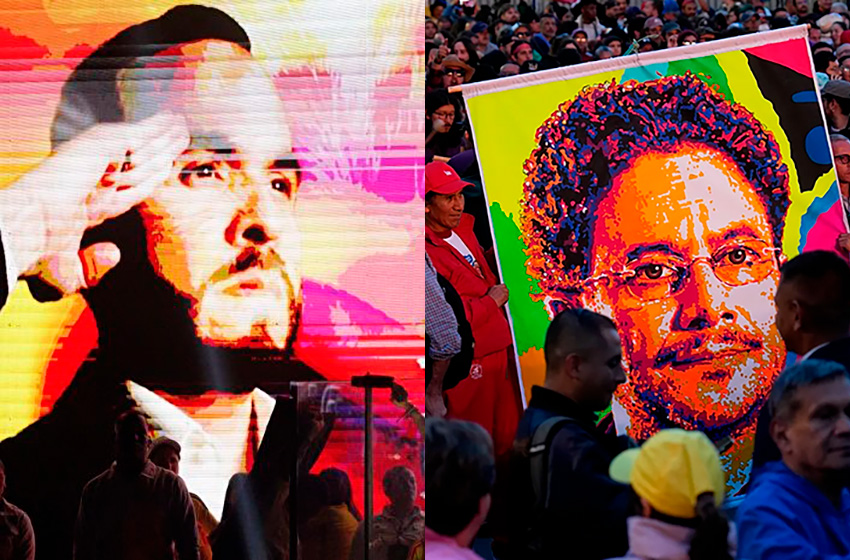
What is at stake in Colombia in the second round of elections?
-International Congress of the Latin American Studies Association (LASA)
The International Congress of the Latin American Studies Association (LASA) took place in Paris, France, from May 26 to 30, with extensive participation from the Latin American Council of Social Sciences. Under the theme “Republic and Revolution,” it reaffirmed LASA’s commitment to research, academic exchange, and cooperation among researchers and scholars dedicated to Latin American and Caribbean studies.
Illa Carrillo Rodríguez, researcher and PhD in art and aesthetics (Argentina)
Priscila Tercero CruzMexican Institute of Water Technology
Beloved of Jesus Ramos Prieto, from the Indigenous Council Los Pasos del Jaguar of El Salvador
Taira Edilma Stanley Icaza, professor, activist in the indigenous movement of Panama and co-Coordinator of the Working Group “Indigenous Peoples: dialogues and epistemic-territorial disputes”
Bernard MuñozLatin American Campaign for the Right to Education
Jorge Enrique García RincónSpecialist in Education and Human Development and Doctor of Education Sciences from the University of Nariño, Colombia
Marisa Ruiz Trejo, Mexican anthropologist, researcher, journalist and feminist activist
The program for Wednesday, June 17th, covers one of the axes of the Platforms for Social Dialogue that CLACSO is promoting for the coming years: “Democracies in dispute: horizons, resistances and construction of alternatives from the public and the common.”
She drives: Gustavo LemaDirector of Communication and Information at CLACSO
Directed and edited by: Guido Fontán
Production: Eric Domergue and Noelia Croci
Design and programming: Sebastián Higa, Christian Iturricha and Renata Maestrovicente
Open to the addresses of the Executive Secretariat and the members of the Steering Committee of CLACSO to disseminate activities and topics specific to each country, this communication channel is also a space to analyze and deepen the Platforms for Social Dialogue (PDS) that CLACSO promotes for the coming years, to interview researchers, and for everything that makes up the life and production of the Latin American Council of Social Sciences.

