
What is at stake in Colombia in the second round of elections?
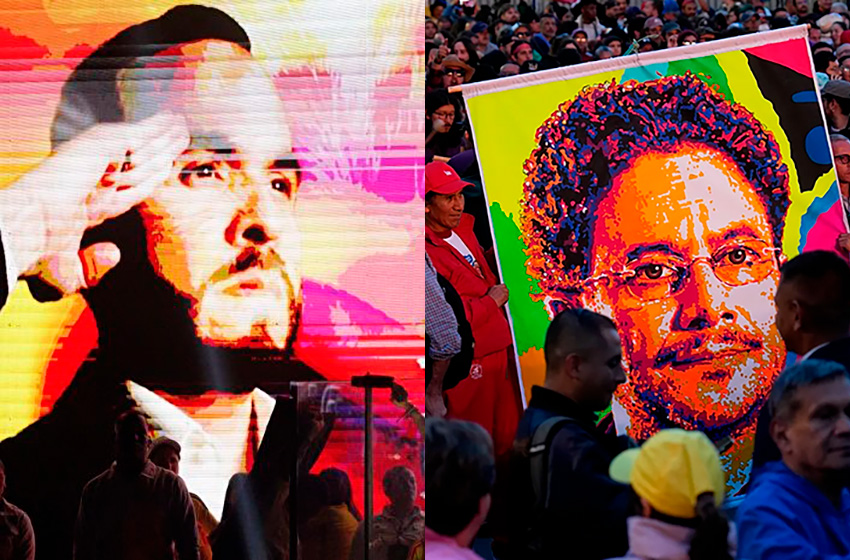
Following the results of the first round of the presidential election held on May 31 in Colombia, the runoff election will be contested on Sunday, June 21, by the following candidates:
Abelardo de la Espriella : Representative of the conservative right for the Defenders of the Homeland movement, who came in first place in the contest with 43,74% of the votes (10.361.499 votes).
Iván Cepeda : Candidate of the progressive government for the Historical Pact coalition , who obtained second place with 40,90% of the votes (9.688.361 votes).
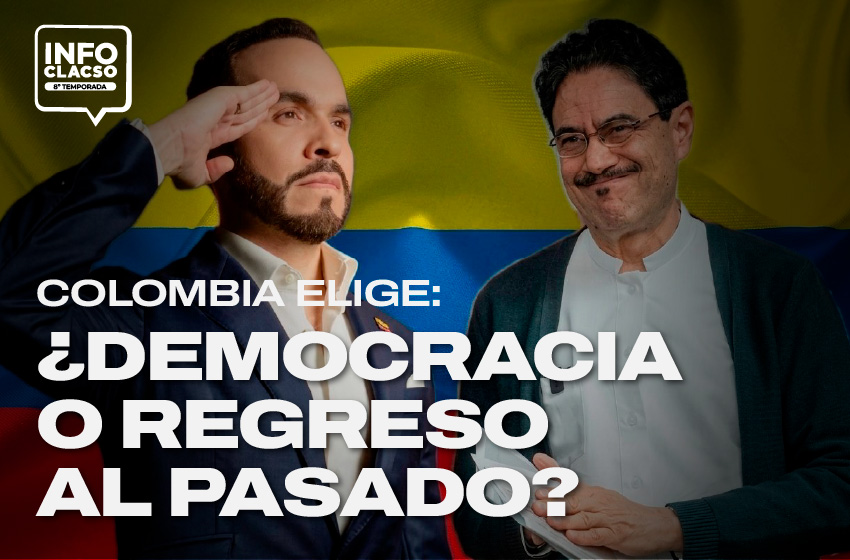
INFOCLACSO 17-6-2026 / Colombia chooses: Democracy or a return to the past?
"In the Colombian elections, two antagonistic visions for the country are facing off."
Analysis by Wilson Gómez , member of the CLACSO Steering Committee for Colombia
Wilson Gómez believes that “the State is in conflict with the project of the new Latin American right.” He describes this model as an attempt to return to “State authoritarianism,” whose objective is to reduce and reverse the rights gained in the last four years.
In economic terms, there are projects that present opposing visions. The left-wing project promotes the construction of a "people's economy" based on peasant farming and small and medium-sized businesses. This proposal seeks to improve and diversify the productive base to allow access to goods and services for historically excluded people. Conversely, the opposing project seeks to deepen extractivism, fracking, and an economy centered on extraction for the benefit of a few. In response, the progressive model "says NO outright to fracking" and advocates for an energy transition.
In this electoral context, Wilson Gómez points out that democracy, environmental protection, and the right to life are at stake. The left-wing project places at its core the guarantee of life not only for humans, but also for “non-human” beings. This also includes guaranteeing rights for women and non-binary communities.
Finally, Wilson Gómez connects this political analysis to the debates within the social sciences in Latin America, specifically in the study of youth. He argues for the urgent need to move beyond focusing solely on violence "perpetrated by young people"; instead, he proposes analyzing "structural and structuring violence against young people," since these are what produce the other systematic forms of violence experienced in our contexts.
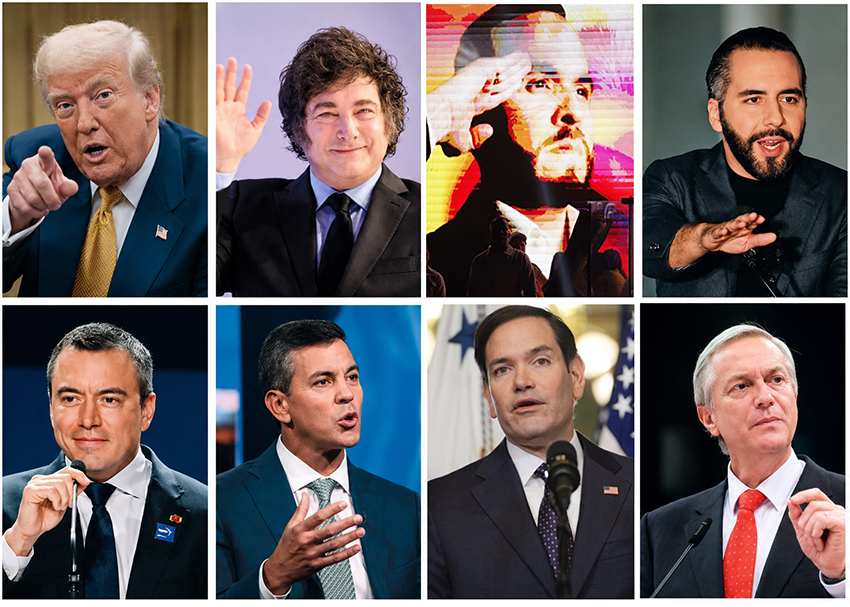
American authoritarian regimes close ranks with the Colombian right wing
By Carolina Jiménez Martín *
Various analyses have been conducted on the election results of May 31st. However, the international dimension has been largely disregarded, obscuring the significant role of continental and global geopolitical dynamics in shaping domestic policy. Therefore, it is crucial to assess the political significance of the support received, as well as the domestic impact of these governments' policy implementation.
*Member of the CLACSO Working Group “Crisis and the World Economy”.
No to foreign government interference in Colombian elections
Declaration of the Member Centers of CLACSO Colombia
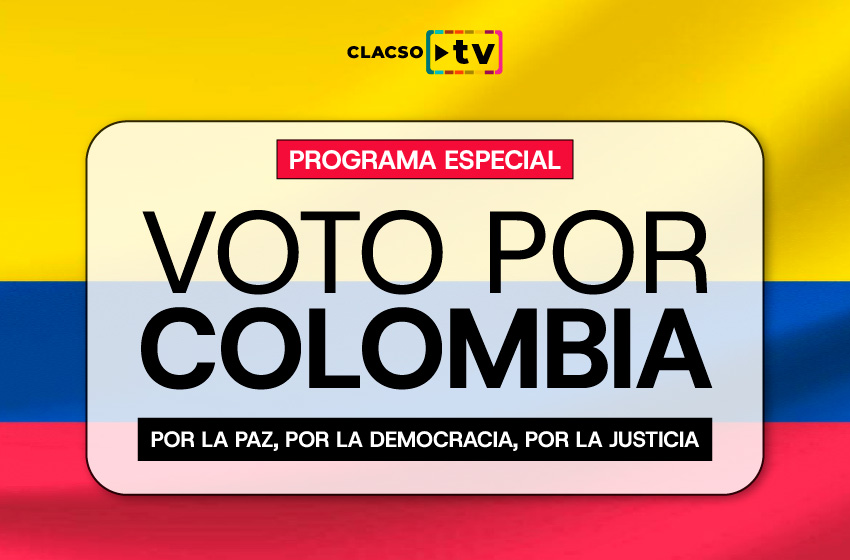
Thursday, June 11 – 2:00 PM Colombia time
Special program from CLACSO TV
«I vote for Colombia, for Peace, for Democracy, for Justice«
The Iván Cepeda / Aída Quilcué Historical Pact formula embodies a commitment to deepening social reforms, consolidating Total Peace, achieving environmental justice, and defending the rights of historically marginalized sectors. Their project rests on the need to uphold a social welfare state model in the face of resistance from traditional elites. On the other hand, Abelardo de la Espriella articulates a radical right-wing discourse based on restoring punitive order, orthodox free markets, and a confrontational rhetoric that seeks to dismantle recent progressive advances.
The analysis of:
Pablo Vommaro, Executive Director of CLACSO.
-Wilson GomezMember of the CLACSO Steering Committee for Colombia.
Melquiceded Blandón MenaPolitical scientist, PhD in Social Sciences from the National University of Colombia and organic intellectual of the Process of Black Communities (PCN), general editor of the opinion portal Diáspora.com.co and member of the “Black People's Front for Life” of Iván Cepeda's presidential campaign.
María Fernanda González Díaz, Social worker, Master's student in inclusive and intercultural education, Feminist and member of La Poderosa Colombia.
-Jhonatan Palacio Bello, social sciences teacher, circus and theater artist and national representative of La Poderosa Colombia.
Carolina Jiménez Martin, Member of the CLACSO Working Group “Crisis and World Economy”, former member of the CLACSO CD for Colombia.
-Mario Valencia, former Deputy Director of National Planning of Colombia.
Natalia Quiroga Díaz, Feminist economist and advisor to the land restitution unit of Colombia. Drafter of the Law on Popular Community Economy.Denis RojasA sociologist from the National University of Colombia, she resides in Argentina. She is part of the political group "Vamos por los derechos" (Let's Go for Rights), led by Iván Cepeda, and is responsible for its campaign in Argentina.
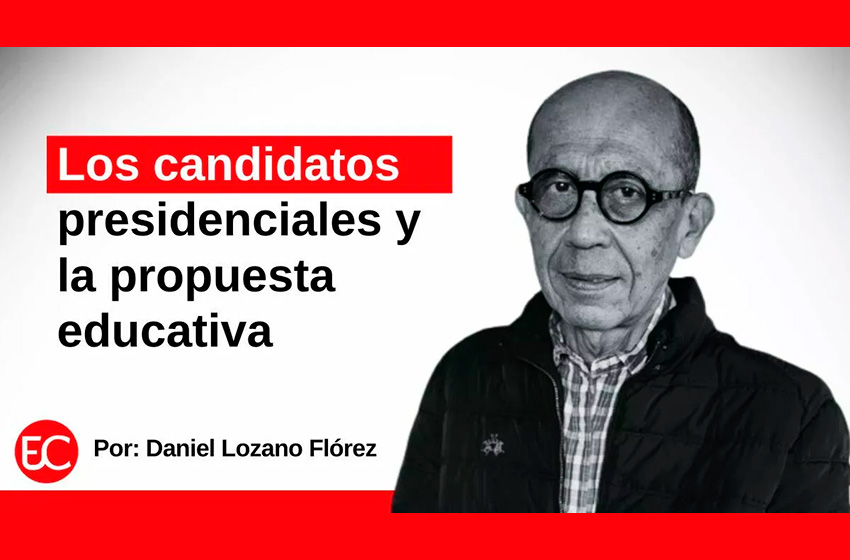
Presidential candidates and their educational proposals in Colombia
By Daniel Lozano Flórez *
With the presidential election just around the corner, candidates and their campaigns are renewing their strategies to increase their voter base. Since winning the youth vote is key to tipping the scales, rhetoric surrounding education has become an indispensable tool for both campaigns. Hence the importance of analyzing the proposals for the development of the education sector put forward by the presidential hopefuls in this final stage.
*Sociologist, Master in Education and PhD in Political Studies, University Professor and researcher of the CLACSO network.

