
CLACSO Open Chairs
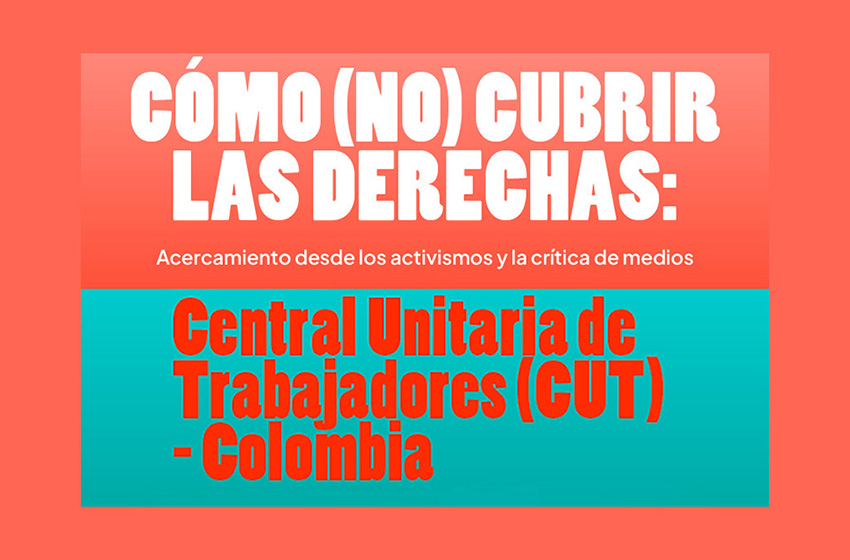
Open Lecture: How (not) to cover the right wing: an approach from activism and media criticism, held in conjunction with the Network of Sexual and Gender Resistance and Dissidence
Since 2016 we have seen a growth in the organization and political-electoral effectiveness of anti-rights movements and the right wing represented in political parties, civil society organizations, academic spaces/intellectual circles and business groups at the regional and international level.
Donald Trump's return to the presidency of the United States and his alliance (both in rhetoric and agenda) with governments like those of Argentina under Javier Milei and El Salvador under Nayib Bukele are merely the most visible manifestations of this growth. Given this scenario, we consider it essential to identify the errors that media outlets, activists, and academics have made in covering and analyzing these figures, the populations that support them, and their strategies for gaining prominence and engaging in political action.
This course aims to present and explain the mechanisms necessary for critically covering anti-rights movements, their organization, discourse, and use of social media and traditional media. To this end, we will provide participants with both theoretical and analytical tools, as well as examples of media coverage that has fallen into the traps set by these movements and examples of critical coverage.
With the support of the work of the Network of Sexual and Gender Resistance and Dissidence, the team that will facilitate the sessions has extensive experience covering and constantly monitoring this type of political movement in the digital, academic, journalistic and research spheres.
The course is designed for activists, journalists, communication professionals, civil society organizations, academics, and researchers interested in Latin American democracies and digital culture. No prior knowledge of these movements is required, but an interest in critically covering their development throughout the region is essential.
Open Chair of the Central Union of Workers CUT-Colombia – Perspectives of the Colombian Trade Union Movement: Democracy, Human Rights and Peacebuilding from a Gender Perspective
The Colombian labor movement has historically been a leading force in the struggles for the realization of human rights for working women and men in the country and for society as a whole. Its origins lie in resistance against the multiple forms of exploitation and exclusion stemming from the capitalist model and the patriarchal system. However, its actions have been profoundly marked by anti-union violence: more than 13.000 attacks and nearly 2.800 murders have been documented, with a disproportionate impact on women union members, who have been both targets of multiple forms of violence and, at the same time, key leaders of the resistance.
The Colombian labor movement has historically been a leading force in the struggles for the realization of human rights for working women and men in the country and for society as a whole. Its origins lie in resistance against the multiple forms of exploitation and exclusion stemming from the capitalist model and the patriarchal system. However, its actions have been profoundly marked by anti-union violence: more than 13.000 attacks and nearly 2.800 murders have been documented, with a disproportionate impact on women union members, who have been both targets of multiple forms of violence and, at the same time, key leaders of the resistance.

