Open Chair of the Central Union of Workers CUT-Colombia – Perspectives of the Colombian Trade Union Movement: Democracy, Human Rights and Peacebuilding from a Gender Perspective
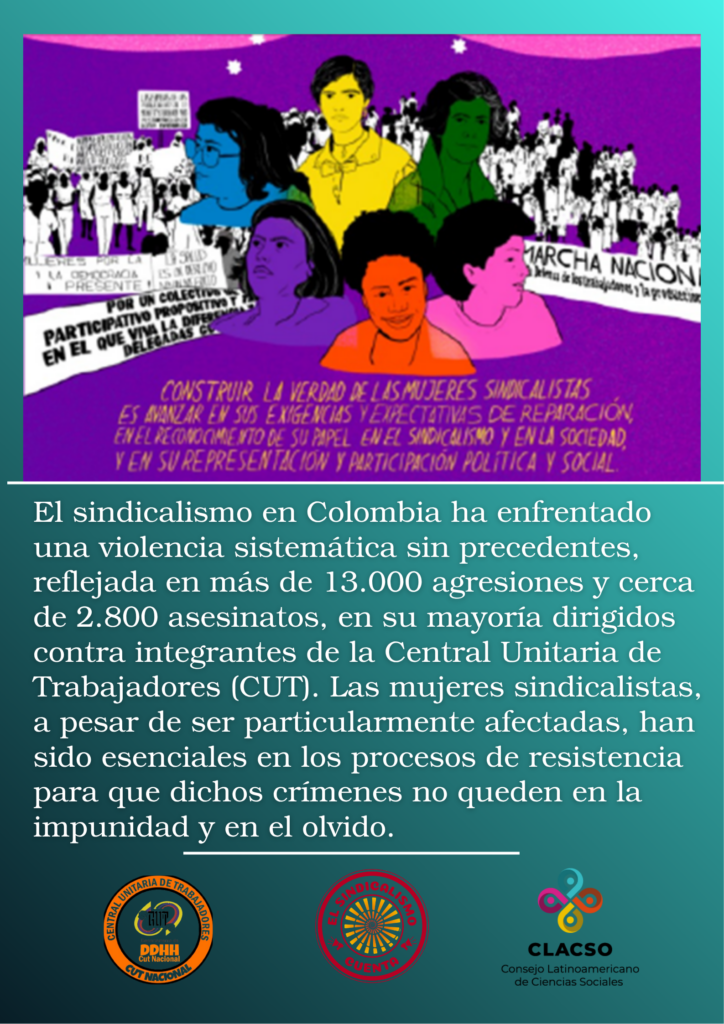
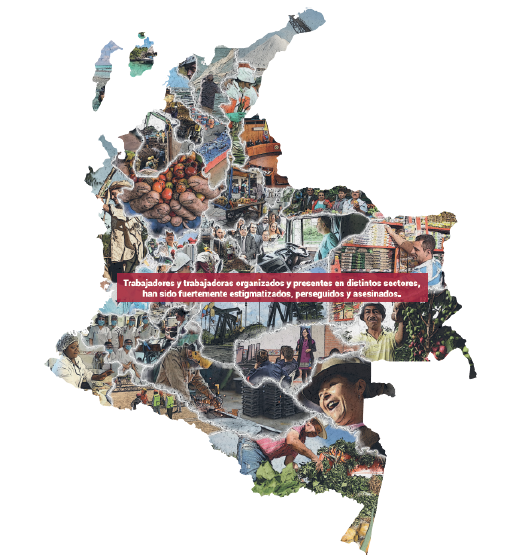
The Colombian labor movement has historically been a leading force in the struggles for the realization of human rights for working women and men in the country and for society as a whole. Its origins lie in resistance against the multiple forms of exploitation and exclusion stemming from the capitalist model and the patriarchal system. However, its actions have been profoundly marked by anti-union violence: more than 13.000 attacks and nearly 2.800 murders have been documented, with a disproportionate impact on women union members, who have been both targets of multiple forms of violence and, at the same time, key leaders of the resistance.
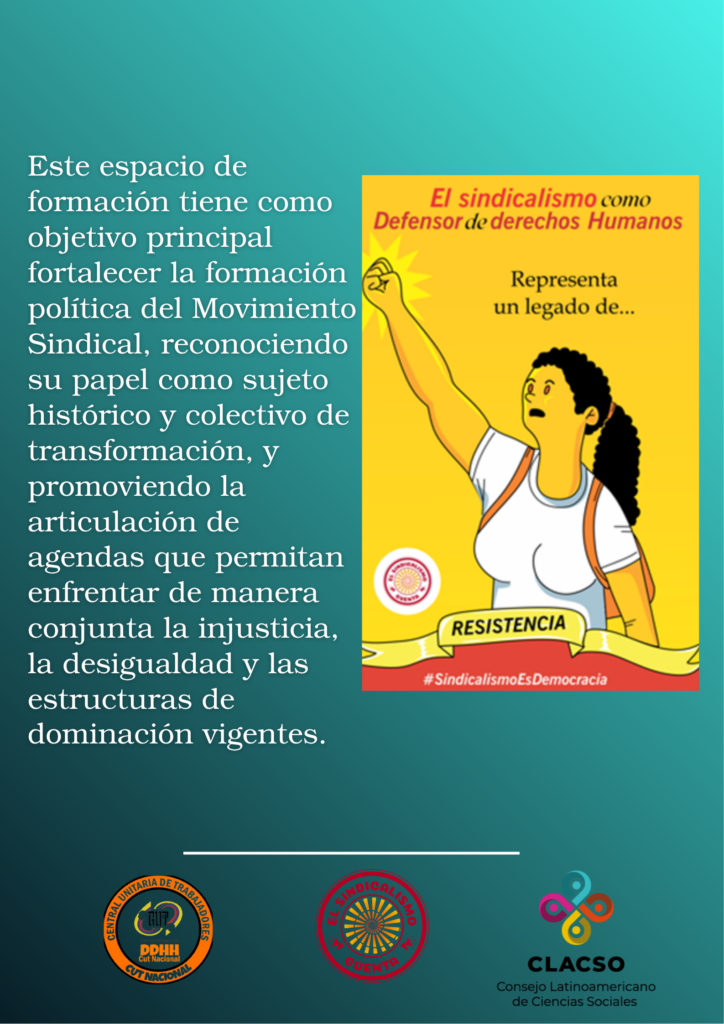
Campaign Piece: Trade Unionism Counts
This professorship aims to provide a space for further debate on the forms of organization, mobilization, and transformation that the labor movement has undertaken in its pursuit of social justice in Colombia. Beyond representing the contradictions between capital and labor, Colombian labor is also intertwined with other social struggles in defense of territory, diversity, the environment, women's rights, and historically marginalized communities.
From this perspective, a gender perspective is not an add-on, but an essential tool for understanding and transforming the conditions faced by women trade unionists. Addressing the specific forms of violence they experience, the gaps in political participation and representation, as well as their key role in building collective memory and reparations, is part of the objective of this course.
This training space has the general objective of strengthening the political training of the Trade Union Movement, recognizing its role as a historical and collective subject of transformation, and promoting the articulation of agendas that allow jointly confronting injustice, inequality and current structures of domination.
For this reason, we want to open the discussion to think from:
- What is the role of trade unionism at this historical moment?
- How to strengthen union democracy with a gender focus?
- What alliances and strategic commitments should be built to move towards peace with social justice?
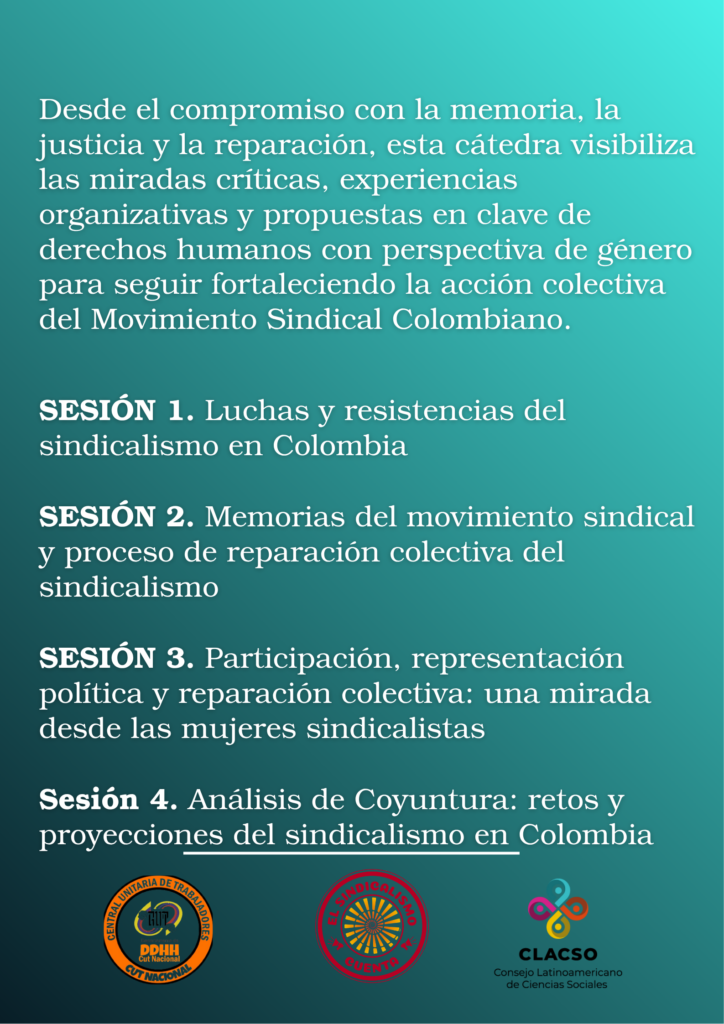
Driven by a commitment to memory, justice, and reparations, this chair aims to enrich the debate with critical perspectives, organizational experiences, and proposals that strengthen collective action at the local level. May this gathering be an opportunity to reaffirm that trade unionism, grounded in human rights and a gender perspective, remains an indispensable driving force for social transformation in Colombia.
Welcome to this open lecture hall, a space for learning, memory, and shared struggle.
Session 1 – Struggles and resistance of trade unionism in Colombia
Trade unionism in Colombia has faced unprecedented systematic violence, reflected in more than 13.000 attacks and nearly 2.800 murders, mostly targeting members of the Central Union of Workers (CUT). This persecution has not been random, but rather part of a strategy aimed at weakening its role as an organizational structure for the working class. Despite this adverse context, the CUT has maintained a firm defense of human rights. Anti-union violence stems from multiple causes and manifests itself differently according to gender, territory, and economic sector, leading it to be described as a trade union genocide, given the responsibilities and omissions of the State. Although trade unionism has been recognized as a victim of the armed conflict, impunity persists. A comprehensive public policy guaranteeing reparations, dignity, and effective participation is urgently needed. Women trade unionists, despite being particularly affected, have been essential to the resistance. Therefore, memory and justice are fundamental elements to honor their struggles and move towards a real, fair and inclusive democracy.
Participants
- Viviana Colorado López (Voices for Work/ Department of Human Rights and Solidarity of the CUT).
- Julian Cardenas Arias (Department of Human Rights and Solidarity of the CUT).
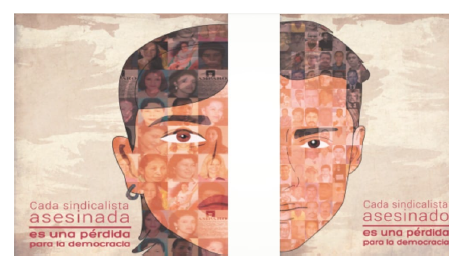
Campaign Piece: Trade Unionism Counts
For further reflection
- How can recognizing trade unionism as a victim of the armed conflict contribute to a real transformation in the guarantees for the defense of labor rights in Colombia?
- What are the implications of analyzing anti-union violence as genocide, and how might this influence state responsibilities and public policies for reparation and non-repetition?
Supplementary materials
- Central Unitary of Workers (CUT). (2022). Genocide against trade unionism: The CUT case. Retrieved from https://centrodocumentacion.cut.org.co/contenidos/genocidio-al-sindicalismo-caso-cut
- Labor Information Agency – ENS. (2020, August 21). Trade unionism counts [Video]. YouTube. https://www.youtube.com/watch?v=ICyhMiQWrDY
- National Trade Union School (ENS). (2013). Proposal for collective reparations for Colombian trade unionism: Human Rights Notebook No. 23: contributions to the discussionMedellín. Retrieved from https://www.ens.org.co/wp-content/uploads/2016/12/Cuaderno-de-Derechos-Humanos-23-Reparaci%C3%B3n-Colectiva-del-Sindicalismo-Colombiano-aportes-para-la-discusi%C3%B3n.pdf
- Ríos Navarro, N., González Tapias, P., Herrera M., FM, & Cárdenas Arias, J. (2024). Human rights and collective reparations in the Government of Change: Overview, progress and proposals from the labor movement for collective reparationsENS – CUT Research Team. Human Rights Notebook No. 29Medellín. Retrieved from https://www.ens.org.co/publicaciones/derechos-humanos-y-reparacion-colectiva-en-el-gobierno-del-cambio-panorama-avances-y-propuestas-desde-el-movimiento-sindical-parala-reparacion-colectiva/
Session 2 - Memoirs of the trade union movement and the collective reparation process of trade unionism
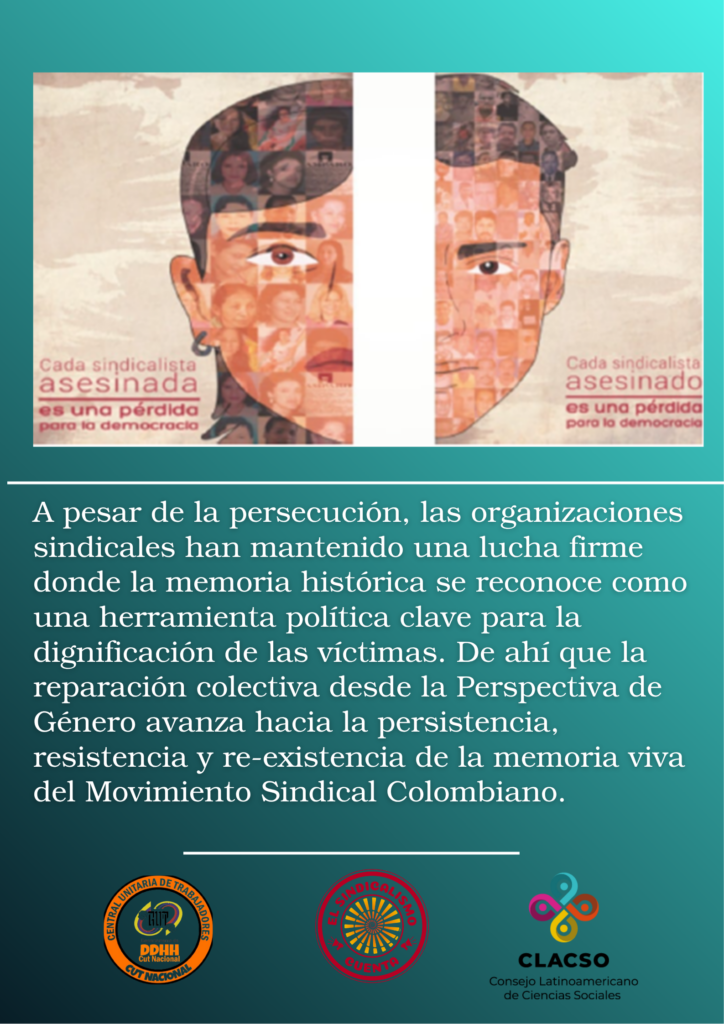
The second session addresses the memory of the Colombian labor movement and its process of collective reparations in the face of decades of systematic violence. Despite persecution, labor organizations have maintained a steadfast struggle for truth, justice, and reparations. Historical memory is recognized as a key political tool for restoring dignity to victims and transforming society. The report Unpostponable Truths It brings visibility to the genocide of union members and marks a milestone in its recognition. The role of women union members as victims and leaders in this struggle is highlighted. Collective reparations must include a gender perspective that values their contributions. Although initiated in 2012, this process has only recently progressed thanks to the persistence, resilience, and re-existence of the labor movement in keeping the memory of its members alive. The historical memory of the labor movement draws on past struggles to project them into the present and future in the construction of peace with social justice.
Participants
- Martha Rocío Alfonso Bernal (Secretary of International Relations of the Colombian Federation of Education Workers -Fecode-).
- Andrea Toro Jiménez (Expert in human rights and international humanitarian law, with a focus on conflict and peace).
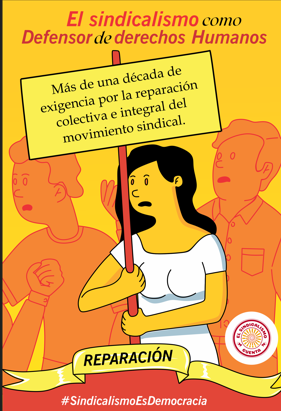
Campaign Piece: Trade Unionism Counts
For further reflection
- How does historical and collective memory contribute to dignifying the victims of the trade union movement and transforming the power structures that perpetuate anti-union violence in Colombia?
- Why is it essential to include a gender perspective in the collective reparations process for trade unionism, and how can this impact the building of lasting peace?
Supplementary materials
- Commission for the Clarification of Truth, Coexistence and Non-Repetition. (2022). Unpostponable truths: anti-union violence in the context of the Colombian armed conflict (Final report of the Truth Commission). Retrieved from https://utradec.org/libro-verdades-inaplazables-violencia-antisindical-en-el-marco del-conflicto-armado-colombiano/
- National Union School (ENS). (s.f.). Collective and participatory reconstructionTrade Union Memory of Colombia. Retrieved from https://memoria.ens.org.co/reconstruccion-memoria-sindical/memoria-para-reparar/
- Central Unitary Workers' Union (CUT). (2011). Recognizing memory: workshop for collective reparation and building the memory of anti-union violence in ColombiaVirtual Documentation Center CUT. Retrieved from https://centrodocumentacion.cut.org.co/contenidos/reconociendo-la-memoria-memoria-de-los-talleres-para-la-reparacion-colectiva-y-la
- Committee for the Promotion of Collective Reparation to the Trade Union Movement (2025). Diagnostic document on collective damage. Colombian trade union movement. September 2025. Fecode: https://www.fecode.edu.co/images/comunicados/2025/Diagnostico_del_Dano_Movimiento_Sindical_2025.pdf
Session 3 – Participation, political representation and collective reparation: a view from women trade unionists
This session proposes a reflection on the challenges faced by women trade unionists in their political participation, highlighting barriers such as exclusion, discrimination, and violence. Through a gender perspective, the differentiated working conditions experienced by women workers in various economic sectors are analyzed. It is emphasized that, despite progress in women's participation, obstacles related to domestic and care work persist. The panelists stress the need for collective reparations with a gender focus, as well as the transition towards parity in trade unionism. The feminist struggle must be intertwined with the class struggle to overcome all forms of violence. The urgency of eradicating the impact of war on women's bodies and lives is also raised. This process requires political will, organization, and a sustained commitment to dignity and equality.
Participants
- Dory Clemencia Capera Leiton (Director of the Working Women's Department of the Central Unitary of Workers.
- Milena Trujillo Loaiza (Researcher and expert in human rights, gender and feminisms, armed conflict, peacebuilding, women's political participation, political relations and democracy).
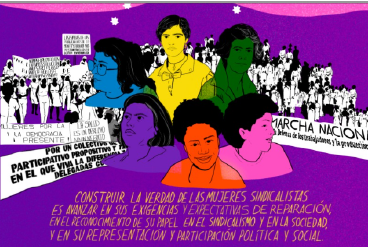
Campaign Piece: Trade Unionism Counts
For further reflection
- What structural transformations are required within the trade union movement to guarantee the effective, representative and equal participation of women in its decision-making spaces?
- How can incorporating a gender perspective into the collective reparations process contribute to eradicating the specific forms of violence faced by women trade unionists?
Supplementary materials
- Correa & Malagón (2012). Imperceptibly they locked us in: Union exclusion and anti-union violence in Colombia, 1979-2010Colombian Commission of Jurists / ENS. https://memoria.ens.org.co/reconstruccion-memoria-sindical/enfoque-diferencial-con-perspectiva-de-genero/
- National Trade Union School (2014). The gender perspective on the phenomenon of anti-union violence in Colombia. https://www.colectivodeabogados.org/el-enfoque-de-genero-en-el-fenomeno-de-la-violencia-antisindical-en-colombia/
- The voices and actions of women trade unionists strengthen democracy https://vocesporeltrabajo.org/cla/informes-especiales/las-voces-y-las-acciones-de-las-mujeres-sindicalistas-fortalecen-la-democracia/
- Trujillo, M. (2020). Women trade unionists: Between historical violence, resistance, legacies of peace and democracy: Report on patterns and explanatory contexts of violence against women in the trade union movement within the framework of the Colombian armed conflict. Contribution to the Truth Commission with the support of the National Trade Union School: https://ail.ens.org.co/wp-content/uploads/sites/3/2020/10/Violencia-antisindical-en-Colombia-entre-el-exterminio-y-la-violacion-a-la-libertad-sindical.pdf
Session 4 – Current Situation Analysis: Challenges and Projections for Trade Unionism in Colombia
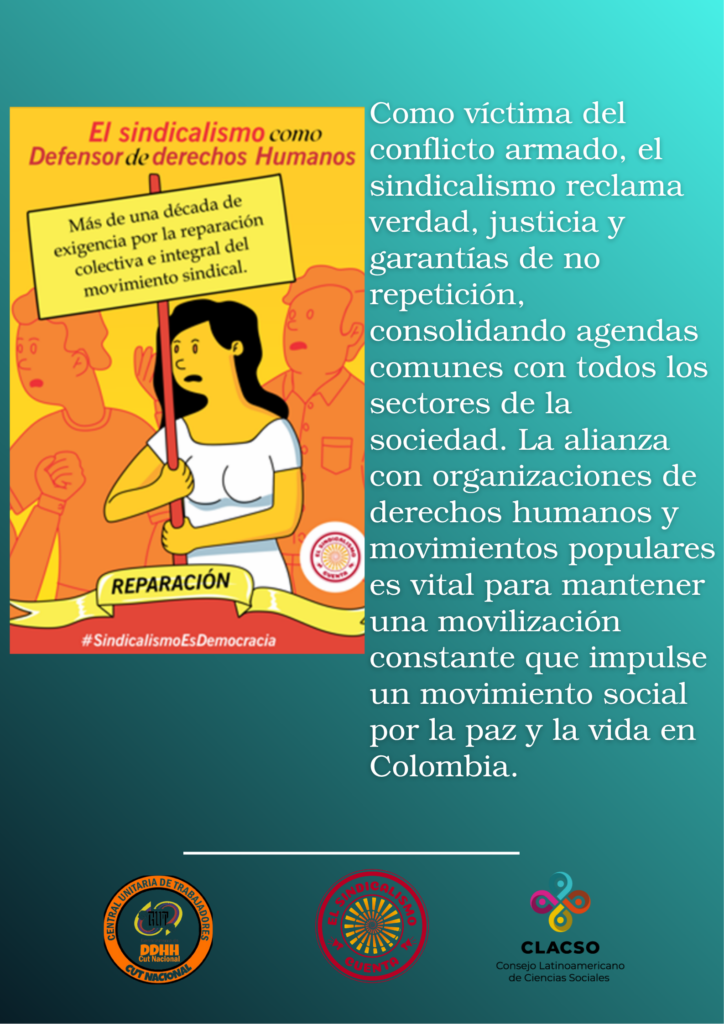
In recent years, the Colombian labor movement has consolidated itself as a key historical actor in the struggle for a just, equitable, and democratic society. Through collective resistance, it has confronted violence and sought alternatives for building lasting peace. Current challenges include the collective development of reparations for the labor movement and strengthening its connections with diverse social sectors, such as peasants, Afro-Colombians, Indigenous peoples, women, and youth. As victims of the armed conflict, the labor movement demands truth, justice, and guarantees of non-repetition, forging common agendas with all sectors of society. Alliances with human rights organizations and popular movements are vital for maintaining a sustained mobilization that drives a social movement for peace and life in Colombia.
Participants
- Fabio Arias Giraldo. President of the National Unitary Workers' Central (CUT).
- Fabio Herrera Martínez. Director of the Department of Human Rights and Solidarity of the National Unitary Workers' Central (CUT).
- Lina María Montilla Díaz. Director of the Working Youth Department of the National Unitary Workers' Central (CUT).
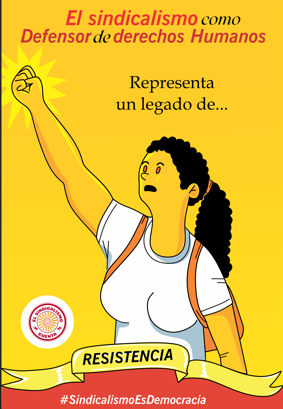
Campaign Piece: Trade Unionism Counts
For further reflection
- What strategies can the Colombian trade union movement adopt to strengthen its role in building total peace, guaranteeing truth, justice, and reparation for its victims?
- How can trade unionism effectively articulate itself with other social, popular and environmental organizations to form a broad and sustained movement for peace, human rights and social justice in Colombia?
Supplementary materials
- Central Unitary Workers CUT. (2024). Conclusions of the VIII National Congress of the CUT. Recovered from https://cut.org.co/viii-congreso-cut-conclusiones/
- National Trade Union School (2024). Human rights and collective reparations in the Government of Change: Overview, progress and proposals from the labor movement for collective reparations. https://www.ens.org.co/publicaciones/derechos-humanos-y-reparacion-colectiva-en-el-gobierno-del-cambio-panorama-avances-y-propuestas-desde-el-movimiento-sindical-parala-reparacion-colectiva/
- Victims Unit. (2023). Colombian government recognizes the trade union movement as a Subject of Collective Reparation, after years of waiting. https://portalhistorico.unidadvictimas.gov.co/es/reparacion-colectiva/gobierno-colombiano-reconoce-al-movimiento-sindical-como-sujeto-de-reparacion
- Voicesforwork.org (2024). More than a decade demanding collective and comprehensive reparations for the Colombian trade union movement https://vocesporeltrabajo.org/cla/mas-de-una-decada-exigiendo-la-reparacion-colectiva-e-integral-del-movimiento-sindical-colombiano/
Diffusion kit