
“We want to be alive, free, and debt-free!”
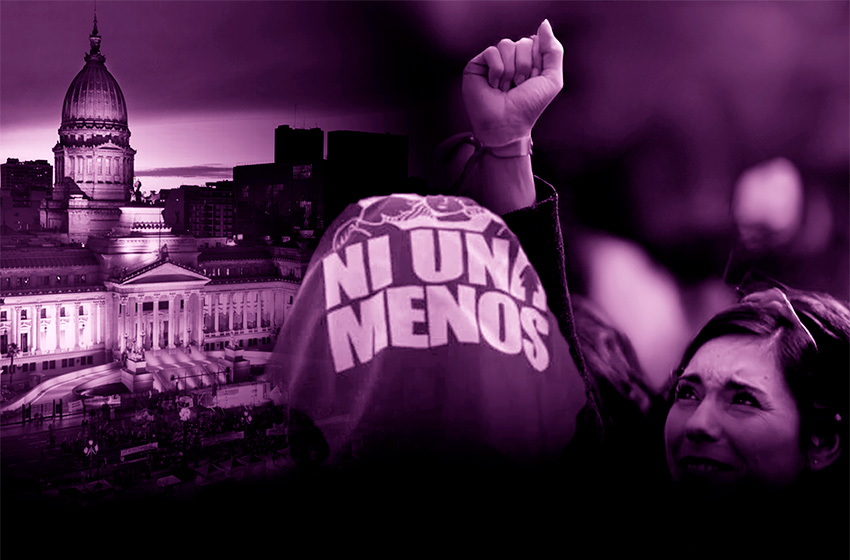
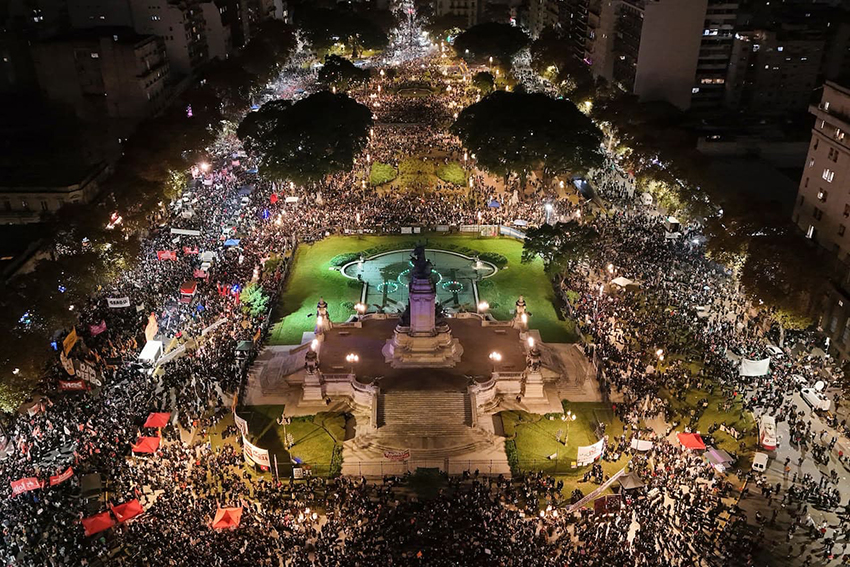
On the 11th anniversary of the first march in Argentina, the "Ni Una Menos" collective and the group of feminist, transfeminist, trade union and human rights organizations, articulated their demands on Wednesday, June 3, 2026, around issues marked by the socio-economic context and the recent cases that have shocked the country.
Both in front of the National Congress in Buenos Aires, and in the major cities of Argentina, the columns raised the banner of "We want to be alive, free and debt-free!", sensitized by a new and recent femicide, that of Agostina Vega, only 14 years old, in the city of Córdoba, in the center of the country.
“Far from being an isolated case, Agostina’s murder is recorded in the country every 31 hours, in a context where the complicity of the Executive Branch is total,” the organizers stated, and warned that “the austerity-driven and repressive national government continues to spread hatred towards women and dissidents while impoverishing us.”
The historic slogan of “Not one less” is amplified this year to focus on how economic insecurity, social crisis and the loss of financial autonomy directly impact the vulnerability of women and dissidents, limiting their possibilities of escaping cycles of violence.
In addition to the femicide of Agostina, the demonstration was also marked by another recent case, that of 17-year-old Dulce Candia, in the province of Misiones (northeast) under the slogan "Justice for Agostina, for Dulce and for all those who are missing!".
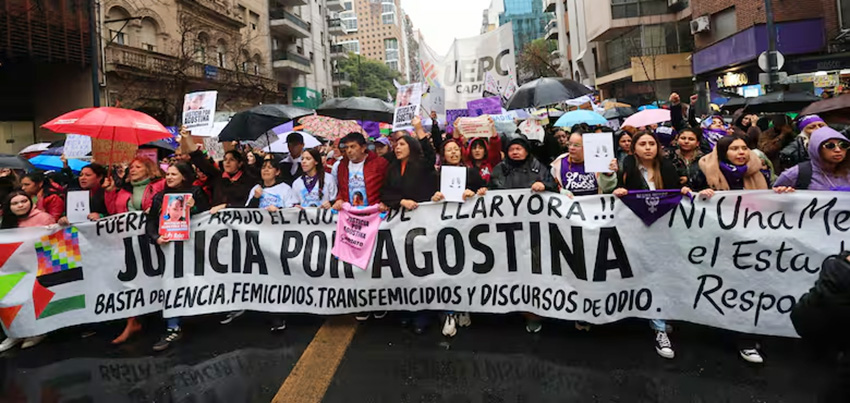
The protesters also emphasized that austerity policies and the dismantling of key social assistance programs are worsening the living conditions of working women, those working in the informal economy, and female heads of household. They further reiterated their demand for the continuation and strengthening of Comprehensive Sexuality Education (CSE) in all schools nationwide as the primary tool for early prevention and building healthy relationships.
They also demanded real training (Micaela Law) and effective judicial responses, denouncing the lack of protection suffered by those who report and the persistence of impunity in the courts.
Finally, they demanded guarantees from the State for the support of victims of gender violence, insisting that budgets allocated to prevention and containment programs not be cut.
El Latin American Council of Social Sciences From its inception, it has supported the “Ni Una Menos” movement and the demands against gender violence through a militant, academic, and institutional commitment that translates into diverse lines of action throughout the region. Its support is not limited to public statements but is structured permanently under the premise that scientific research and critical thinking must be at the service of social transformation.
Through its Network of Virtual Libraries and its publishing house, it publishes research that thoroughly analyzes the structural causes of femicides and patriarchal violence. It also has multiple groups of intellectuals and activists who directly address the "Ni Una Menos" (Not One Less) agenda from an intersectional perspective, including several Working Groups.

