VIII School of Critical Paradigms of Emancipation
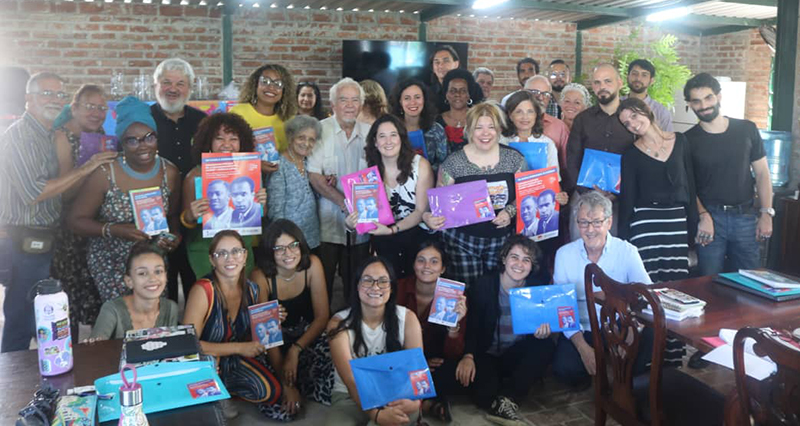
From October 28 to 31, the VIII International Postgraduate School: Critical Paradigms of Emancipation in the Caribbean and Latin America was held in Havana, Cuba, under the title “Politics, Ideology and Decolonization of the Third World. A tribute to Frantz Fanon and Patrice Lumumba on the centenary of their births ”.
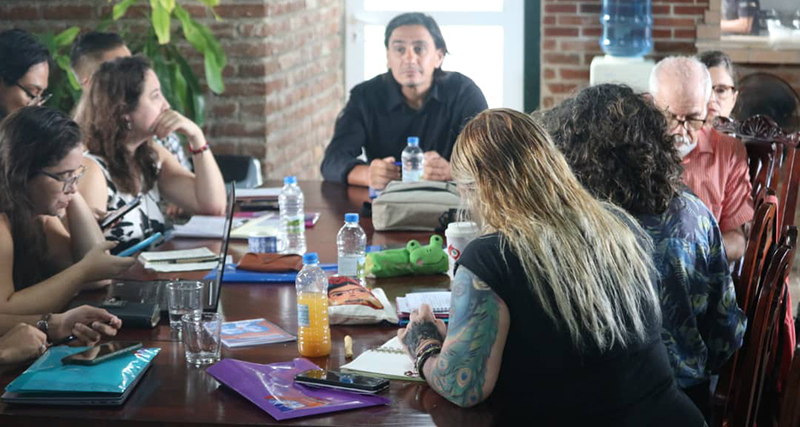
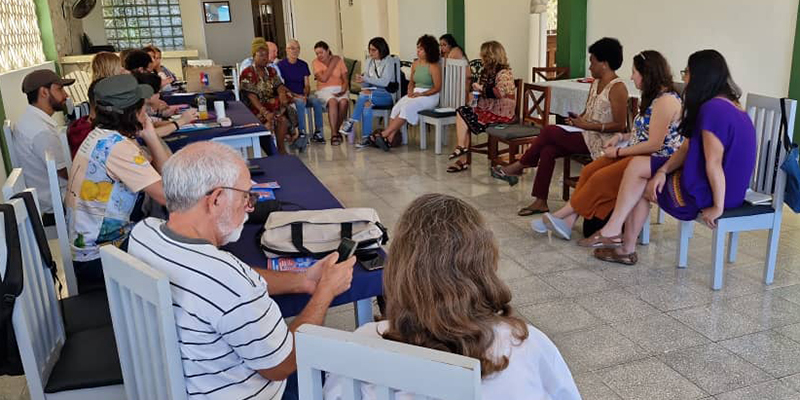
The activity was convened by the Latin American Council of Social Sciences (CLACSO), the Regional Office for Mexico, Central America and Cuba of the Rosa Luxemburg Stiftung, and the Institute of Philosophy – Chair of Critical Thinking “Franz Hinkelammert” (Cuba).
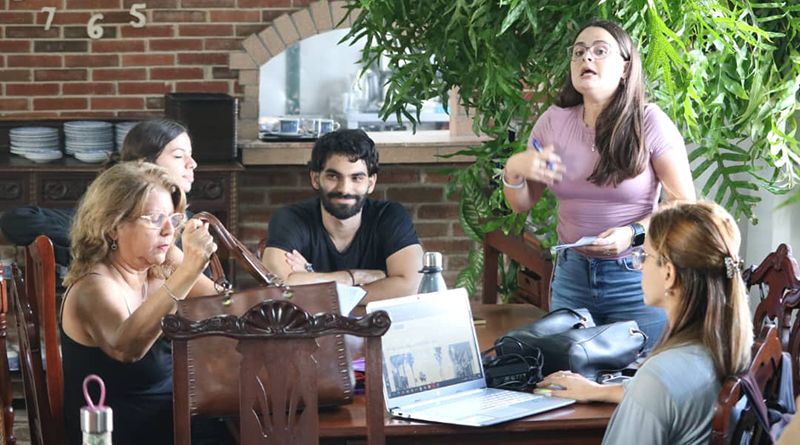
Twenty-five local and international students participated, along with teachers, researchers from various academic institutions and social organizations.
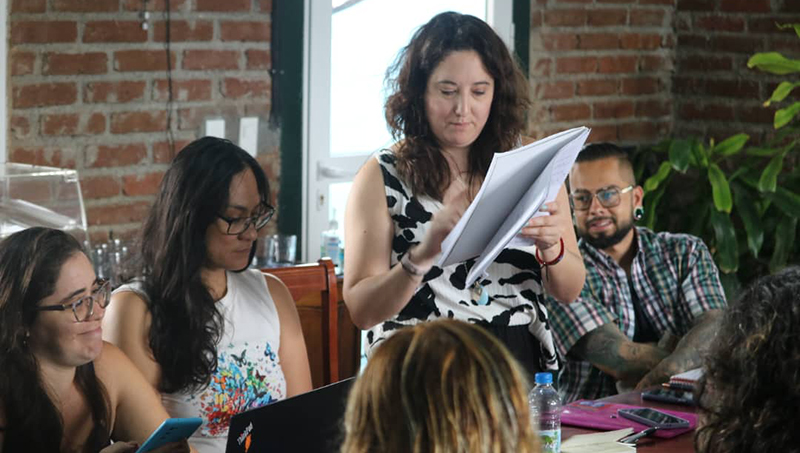
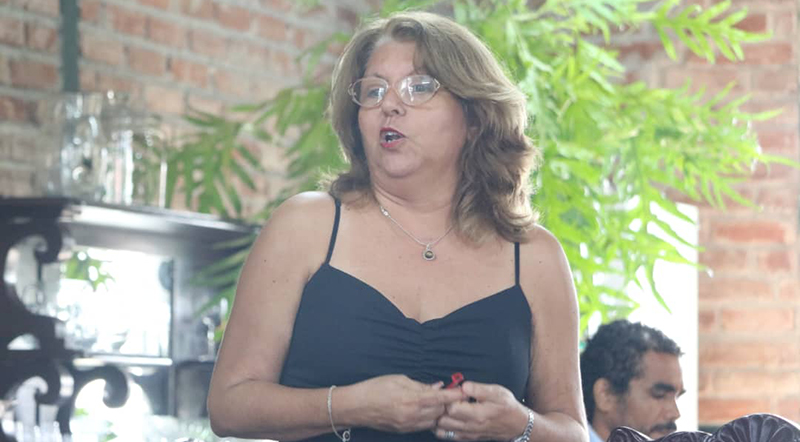
The overall coordination was handled by Félix Valdés García and Yohanka León del Río (Havana Institute of Philosophy), with support from Gerold Schmidt and Patricia Zapata Alamilla (Rosa Luxemburg Foundation, Mexico). Representing CLACSO, Georgina Alfonso González , representative of the CLACSO Member Centers in Cuba and director of the Institute of Philosophy, delivered the welcoming remarks and emphasized the importance of strengthening training spaces committed to decolonization processes in Latin America and the Caribbean.
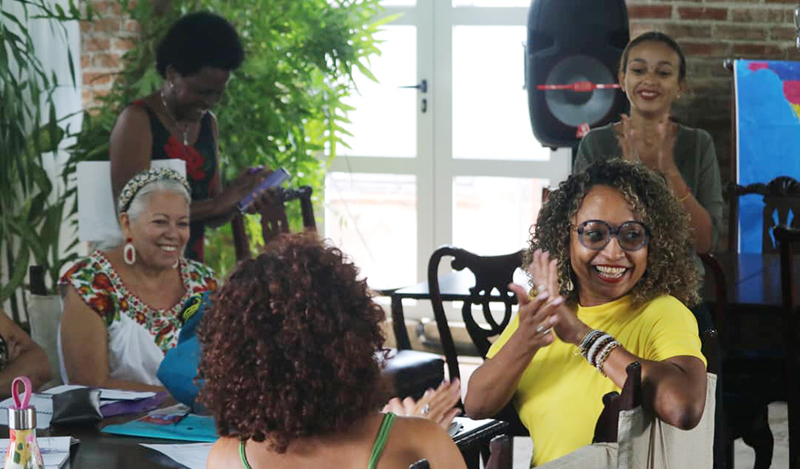
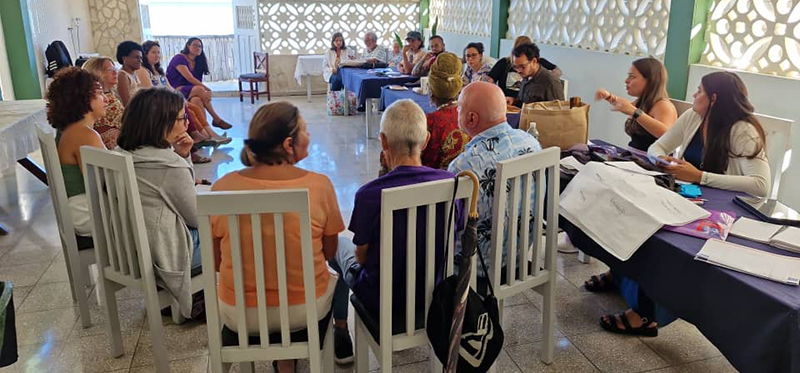
The program included lectures, panels, workshops, film screenings followed by discussions, and cultural activities focused on the legacies of Frantz Fanon and Patrice Lumumba and their relevance to contemporary anti-colonial struggles. Participants included professors Carlos A. Aguirre (UNAM), Zuleika Romay (Casa de las Américas), María Teresa Vila Vormey and Rafael Pla León (Central University “Marta Abreu” of Las Villas), Daniel Rafulls and Vivian Sabater (University of Havana), and Anatoly and Natalia Lazarievich (National Academy of Sciences of Belarus).
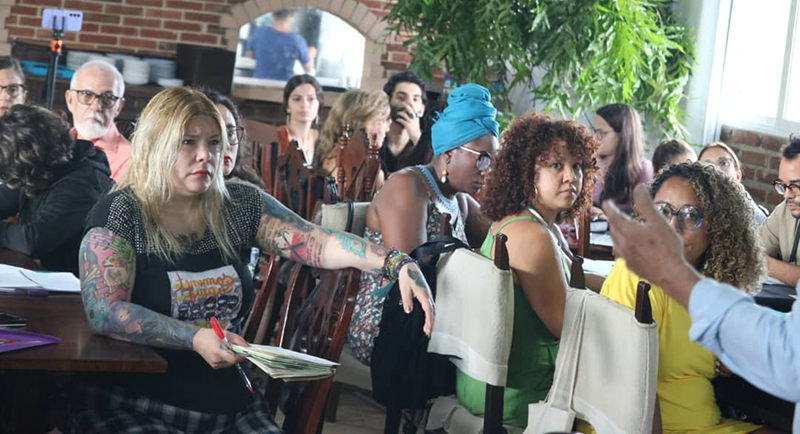
Among the activities was a tribute to Froilán González and Adys Cupull, renowned scholars of the work of Che Guevara, and a visit to the “Fidel Castro” Center for Studies.
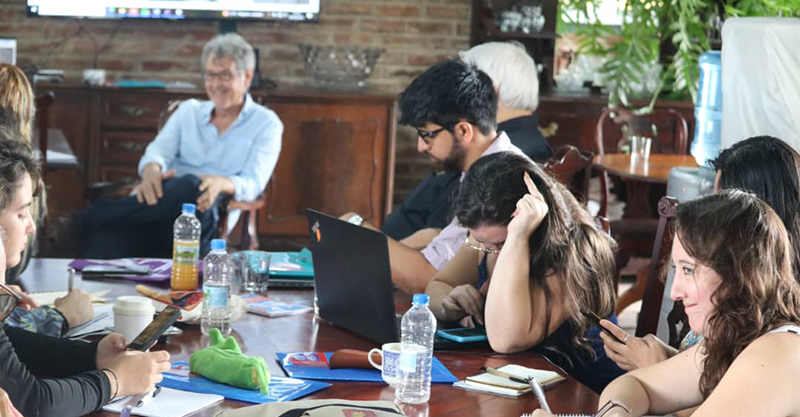
The School included collective reading workshops of texts by Fanon, Lumumba and Che Guevara, and a closing panel entitled “From the decolonization of the sixties to decolonial critique: gender, race and class”, in which the Latin American and Cuban participants exchanged information about their research projects, their experiences, as well as the possibility of building a network of scholars on these topics.
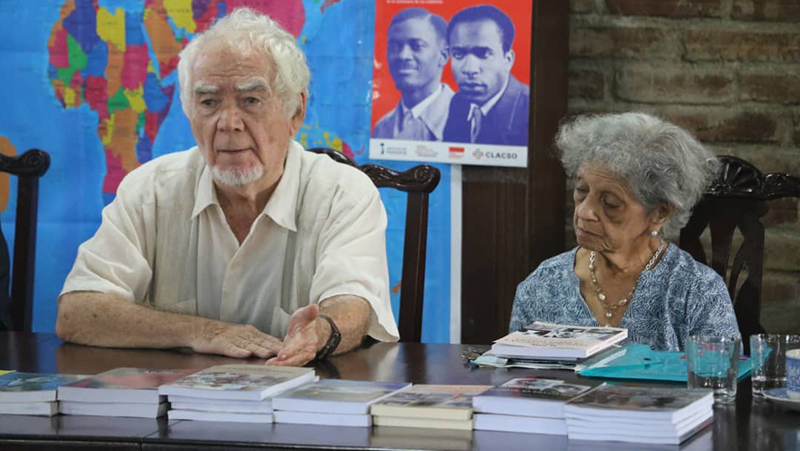
One hundred years after the birth of Fanon and Lumumba, the debates surrounding their thinking take on urgent relevance in the face of new forms of colonialism, racism, and violence that are sweeping the world.