Third Global Summit on Open Access
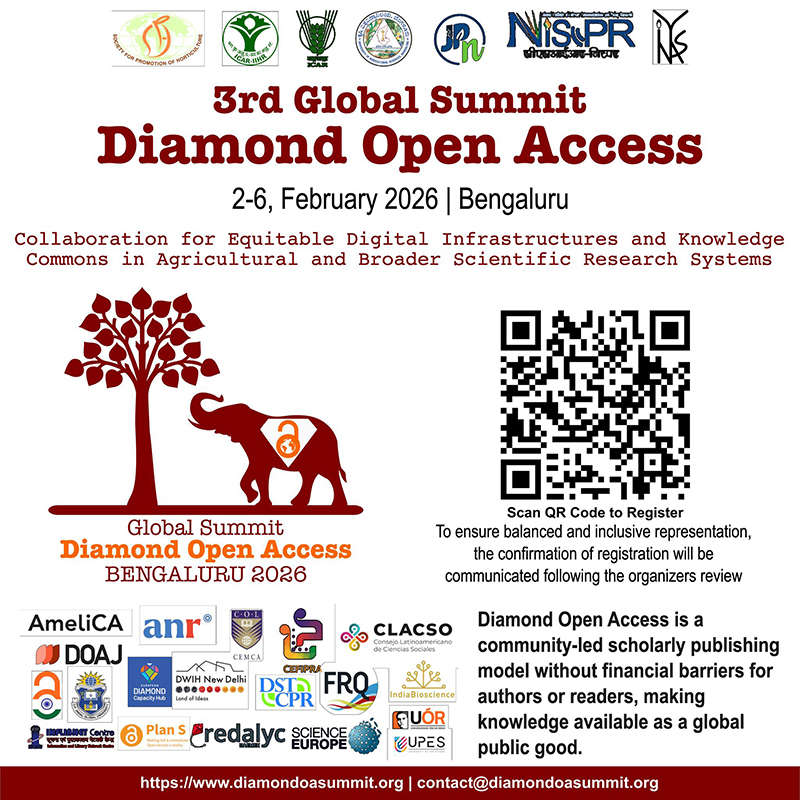
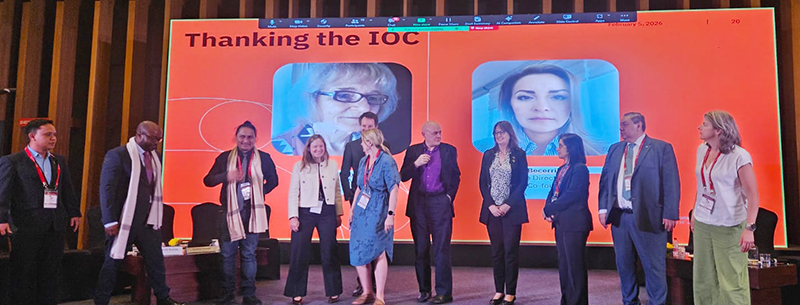
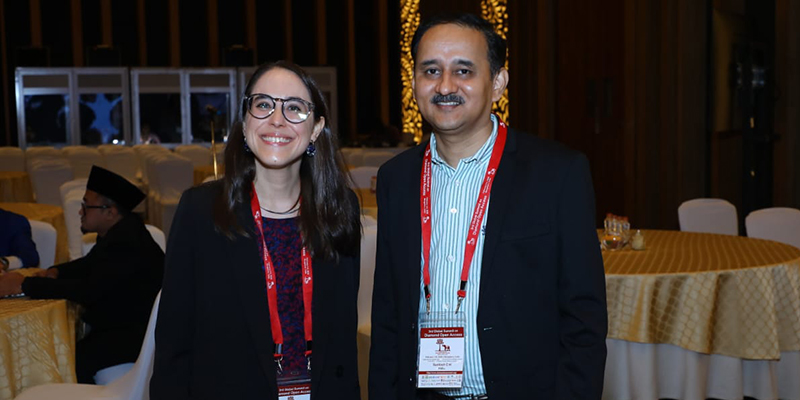
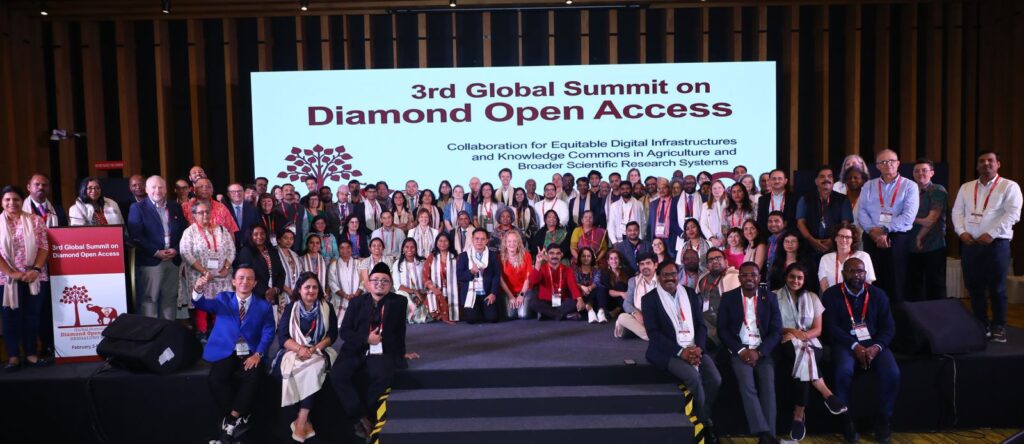
CLACSO was present at the 3rd Global Summit on Open Access Diamond, which was held from February 2-6, 2026 in Bengaluru, IndiaThis third edition built upon the solid foundations established by the First Global Summit for Diamond Open Access, held in Toluca, Mexico (October 2023), and the Second Global Summit, held in Cape Town, South Africa (December 2024). CLACSO participates in all summits and on their organizing committees.
Under the motto «Collaboration for Equitable Digital Infrastructures and Knowledge Commons in Agriculture and Scientific Research Systems in General"The meeting in Bengaluru was a key space to share experiences, address challenges, debate and define the future of this model of academic communication that guarantees free access for both authors and readers, thus strengthening the democratization of knowledge globally."
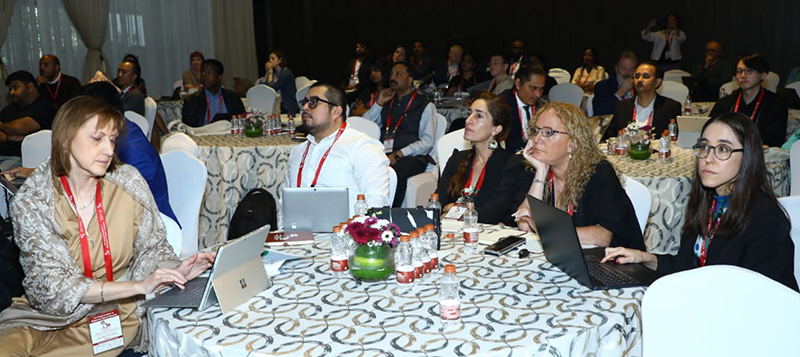
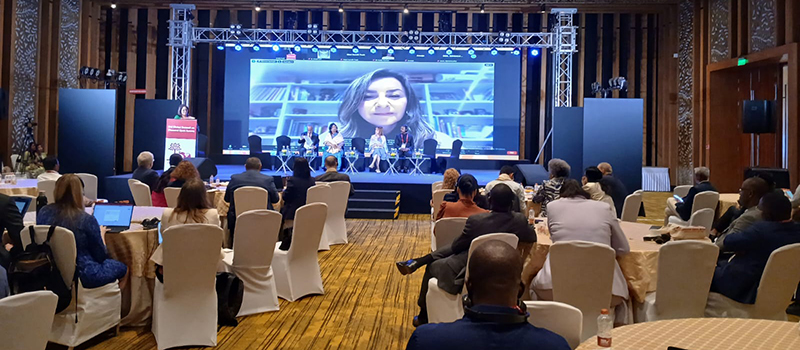
Speakers from various initiatives and countries presented progress on digital policies and infrastructures for non-profit academic communications, collaborative and inclusive management models, experiences and ongoing implementations.
CLACSO's participation in the
3rd World Summit on Open Access Diamond
CLACSO's participation in the Third Diamond Global Summit on Open Access strengthened its international standing as a leading actor in non-commercial open access, particularly from a Latin American and Caribbean, cooperative, and sovereign perspective. CLACSO gained institutional visibility at high-level forums, consolidated ties with strategic partners in Africa, India, and Mexico, as well as with international foundations, and opened concrete opportunities for cooperation in repositories, training, science assessment, and strengthening open access publishing ecosystems.
CLACSO was recognized in the Summit's final report as one of the institutions associated with the organization of the event, which reinforces its presence at the heart of this global agenda.
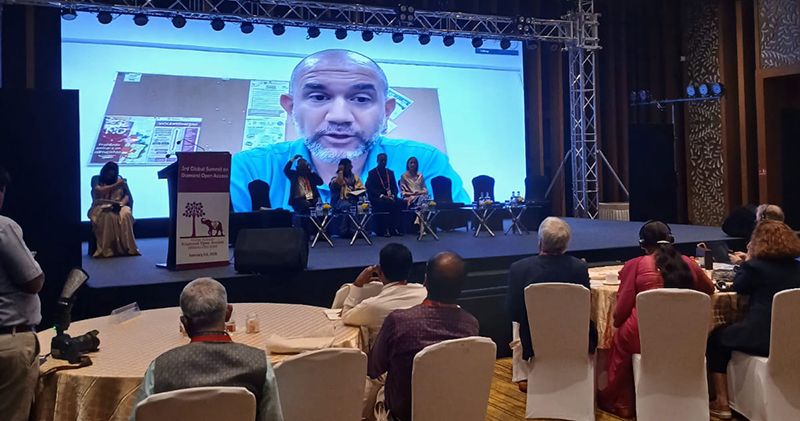
In opening session, the intervention of Pablo Vommaro It clearly positioned a political perspective on open access diamond, emphasizing the need to recognize ancestral and traditional knowledge as co-producers of science, to value local languages, and to reform evaluation systems to promote a democratized, rigorous, impactful, and non-commercial science.
On In Plenary Session 4, dedicated to responsible research evaluation policies, Judith Naidorf participated as coordinator of the FOLEC Programproviding a Latin American perspective that links responsible evaluation with open science and open access policies. In her presentation, she introduced the Bogotá Manifesto As a regional contribution in dialogue with international initiatives, it underscored that transforming evaluation systems is key to strengthening open, non-commercial, and socially relevant knowledge ecosystems. It also emphasized the need to expand training and capacity-building strategies to advance the institutionalization of these principles, in line with initiatives such as the School of Evaluators promoted by FOLEC.
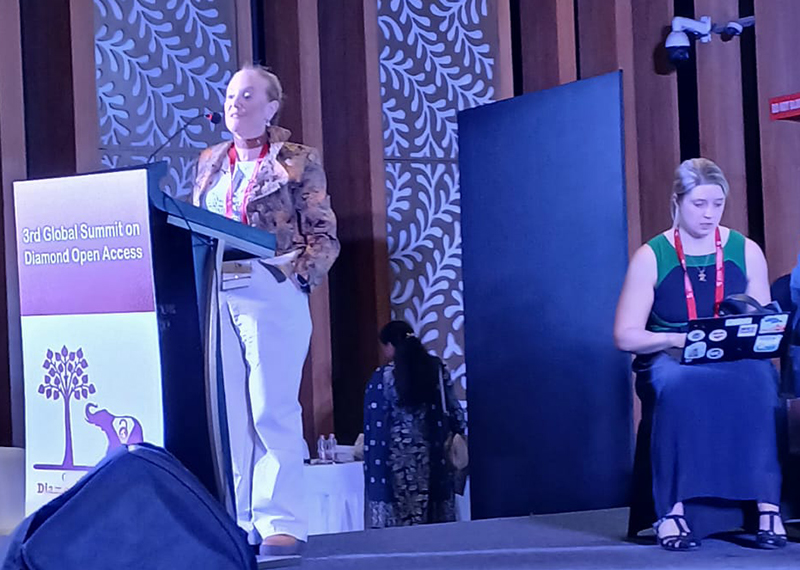
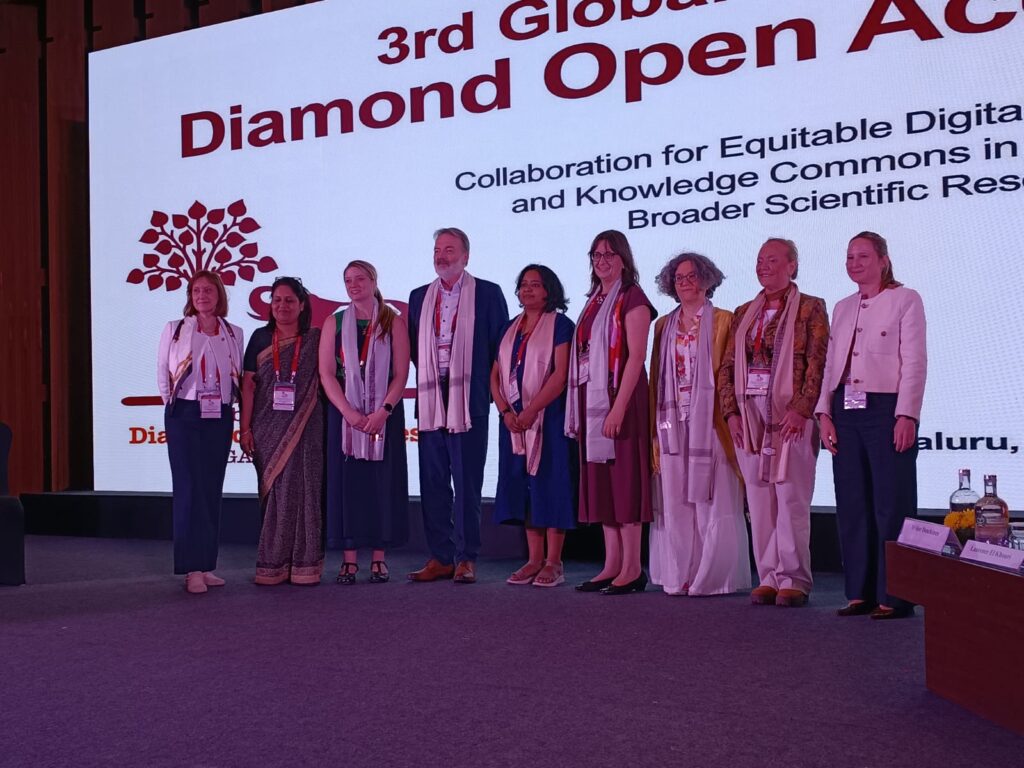
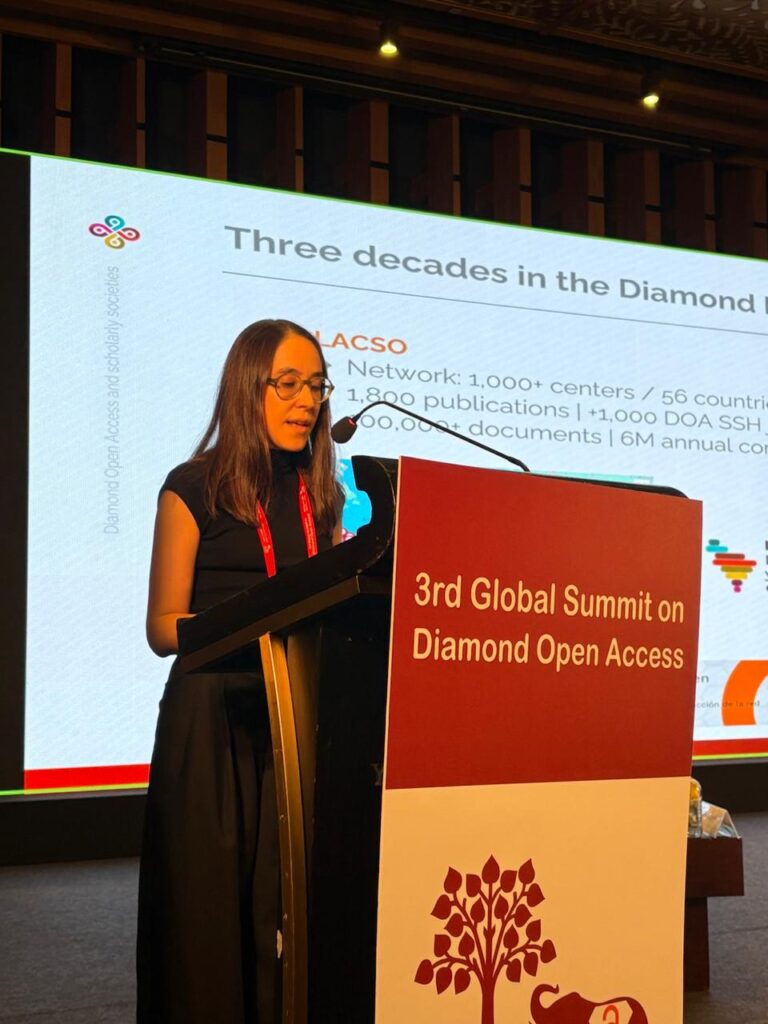
In the thematic sessions on Humanities and Social Sciences in Latin America, the intervention of Solange Victory, from the Publications Area of CLACSO, It allowed for the presentation of non-commercial open access as a sovereign strategy and a political responsibility, anchored in the principle of knowledge as a public good. CLACSO's track record in the sustained development of a cooperative ecosystem that links publishing policy and the digital repository at a regional scale was highlighted.
Likewise, in the workshops on standards for open access diamond and strengthening of scientific societies, CLACSO Publications It offered a governance-focused perspective. In particular, it emphasized that the sustainability of open access diamond depends not only on technical capabilities, but also on building a community that guarantees the public and non-commercial nature of knowledge.
As a result of the Summit, the supervisory committee—of which CLACSO is a member—is currently developing three strategic documents at various stages of development and review: a set of recommendations on Diamond Open Access for governments and funding agencies, a roadmap with priority areas for action, and the summit's final report, compiled from the contributions of session and workshop rapporteurs. These products will be key inputs for guiding the global Diamond Open Access agenda in the short and medium term.
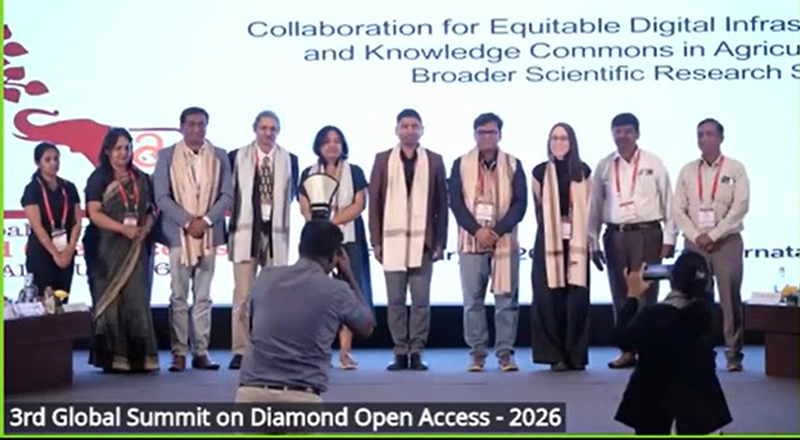
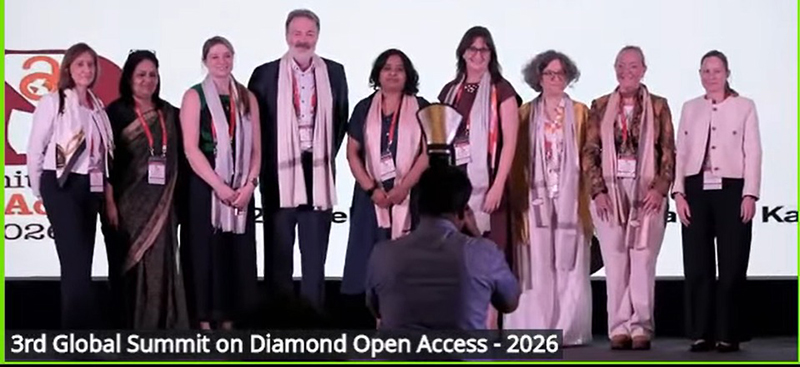
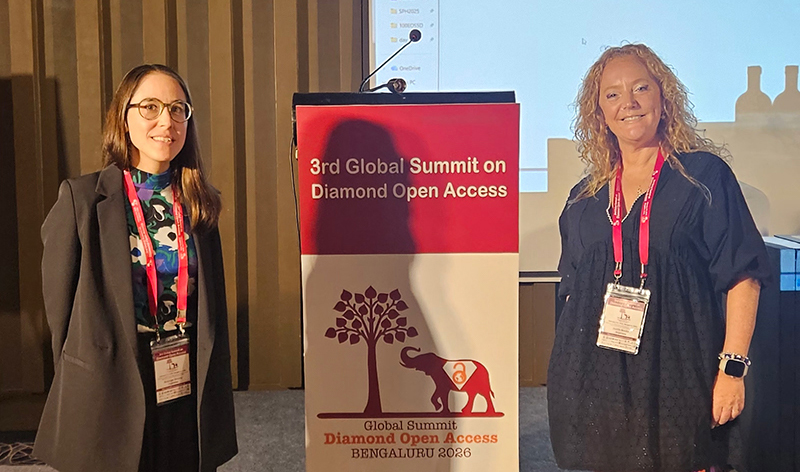
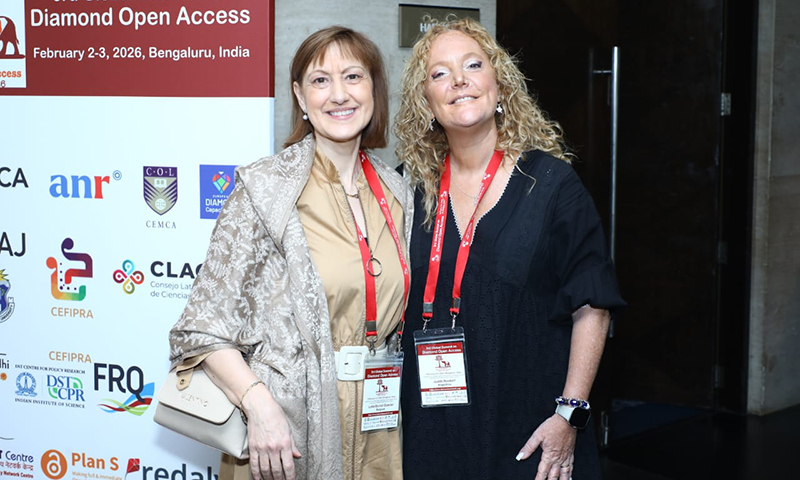
Solange Victory and Judith Naidorf, representatives of CLACSO at the Summit