
Third National Care Plan in Uruguay
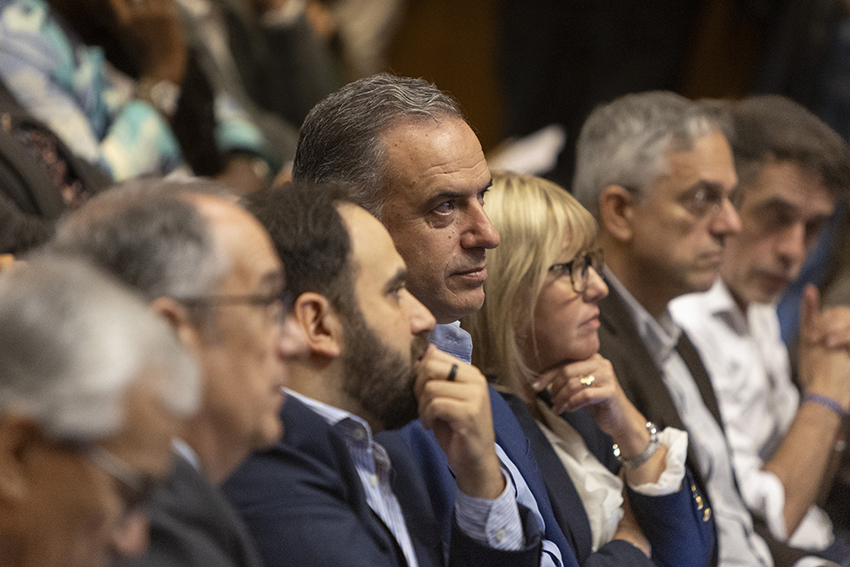
With the presence of the President of the Eastern Republic of Uruguay, Yamandú Orsi , on April 20, the government presented the Third National Care Plan 2026-2030 with the objective of promoting “a cultural change” to stop conceiving of care “as a private burden to assume it as a social right” focusing on professionalizing the work in the sector, generating knowledge and promoting a cultural change towards a more co-responsible society.
The Director of the National Care Secretariat, Susana Muñiz, specified that the plan is for “universal and solidarity-based financing”, with coordinated actions from various public agencies such as INAU, ANEP, BPS and INEFOP, among others, and the participation of several Ministries, such as Social Development, Public Health, Education and Labor.
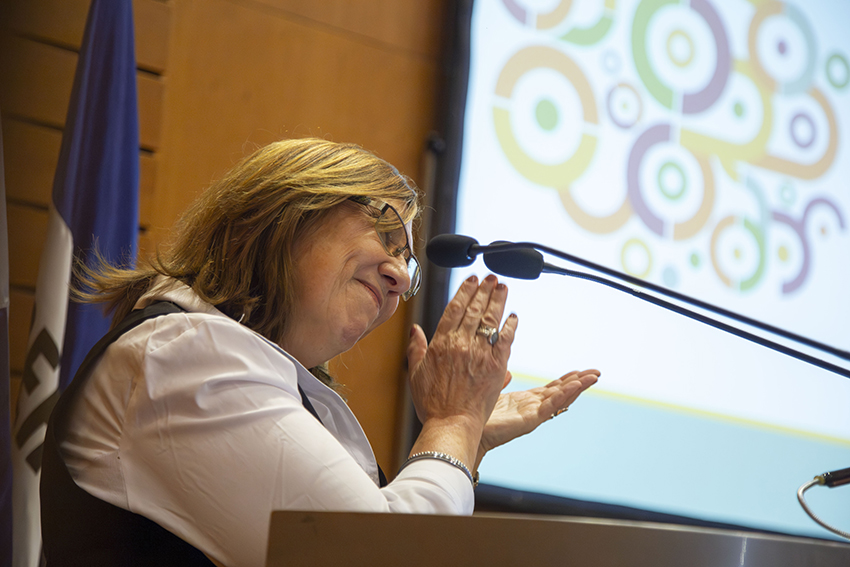
Valentina Perrotta , Director of Care, was one of the speakers, in an event that included the participation of representatives of the Care Advisory Committee Karina Batthyány (former Executive Director of CLACSO) and Clara Fassler.
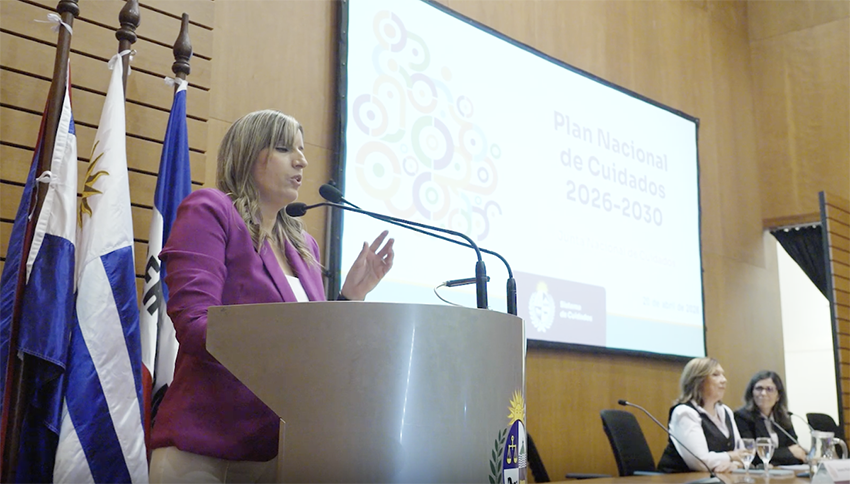
Valentina Perrotta , also co-coordinator of the CLACSO Working Group “Care and Gender”, highlighted the four specific objectives of the Care Plan: “Advance the universal right to care; Promote quality work and training for caregivers; Generate and make available quality information and knowledge; and Promote cultural change.”
She elaborated, saying, “The first focus is on adapting existing services to the needs of families and individuals. This involves extending hours, especially for early childhood and childhood; the government has committed to doubling the coverage for children currently attending double shifts at school, which means more hours of care. It also involves creating new care mechanisms, such as Community Care Centers, which will be established in existing community facilities, such as day centers, senior living complexes, and centers run by the Ministry of Social Development. These centers will allow us to place new roles within the community, such as community managers and community caregivers. These caregivers will be responsible for several people in the community, providing care according to their needs (one hour a day, a couple of hours, etc.) with a range of daily visits. The goal is for people to be able to continue living in their own homes, avoiding institutionalization and addressing their daily needs.”
In the following podcast, Valentina Perrotta explains the importance and scope of the new plan.
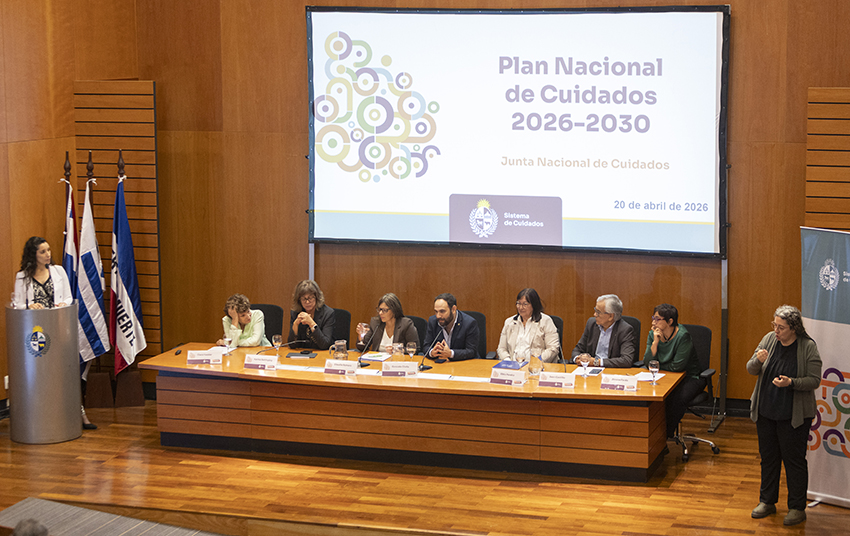
The roadmap strengthens public care policies, promotes better conditions for those working in the sector, and expands access to quality services for all people throughout the life cycle.
According to the official document, the new plan sets the following objectives:
-Advance the right to care, with services, subsidies and care programs throughout the life course and regulation of quality.
-Promote quality work and training, guaranteeing decent working conditions for the care sector.
-To generate and make available quality and timely information and knowledge for decision-making and reflection on a public care policy.
-Promote cultural change to transform the current social organization of care.
During the five-year period, the outlined actions will seek to reduce gaps in access and quality of care and support needed for people who require care, dignify care work, and strengthen co-responsibility between the State, families, community, and the market.
“Caregiving will no longer be seen as a private burden but as a social right and a pillar of Uruguayan social welfare. In this way, the country will continue to move towards a more just and supportive society with equal opportunities for all,” the new plan summarizes.
Photos: Camilo Dos Santos, Pablo La Rosa and the Presidency of the Eastern Republic of Uruguay

