
Outright rejection of the blockade against Cuba
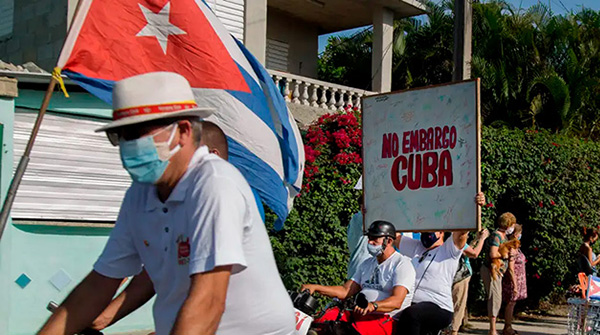

The United Nations General Assembly reiterated on Wednesday, October 30, for the thirty-second time its position against the United States' economic, financial and political embargo on Cuba and called for an end to this unilateral imposition applied since 1962.
The resolution was supported by 187 countries, with one abstention (Moldova) and two votes against: the United States and Israel. Thus, Latin America and the Caribbean formed a bloc that cast a unanimous vote for resolution A/79/6, including countries such as Argentina under Javier Milei, Peru under Dina Boluarte, El Salvador under Nayib Bukele, and Ecuador under Daniel Noboa, to name just a few governments that routinely vote against Cuba.
"A new victory for Cuba, justice, and truth at the UN General Assembly. The United States government has once again been isolated by this overwhelming condemnation, demanding an end to the genocidal and obsolete blockade that is causing so much harm to the Cuban people," said Cuban Foreign Minister Bruno Rodríguez.
The text, presented by Cuba, reaffirms “the sovereign equality of states, non-intervention and non-interference in their internal affairs and the freedom of international trade and navigation, enshrined in numerous international legal instruments,” and urges all states to refrain from enacting and applying laws and measures that contravene them, calling for the repeal of such measures by those who still impose them.
In the same resolution, the states expressed their opposition to the inclusion of Cuba on the list of countries that sponsor terrorism and called for its removal.
The same vote has been held since 1992; on that first occasion, only 59 countries supported Cuba.

If you would like to receive more information about CLACSO's training programs:
[widget id=”custom_html-57″]
to our email lists.

