
“Fragments of Working-Class History” at CLACSO.CINE
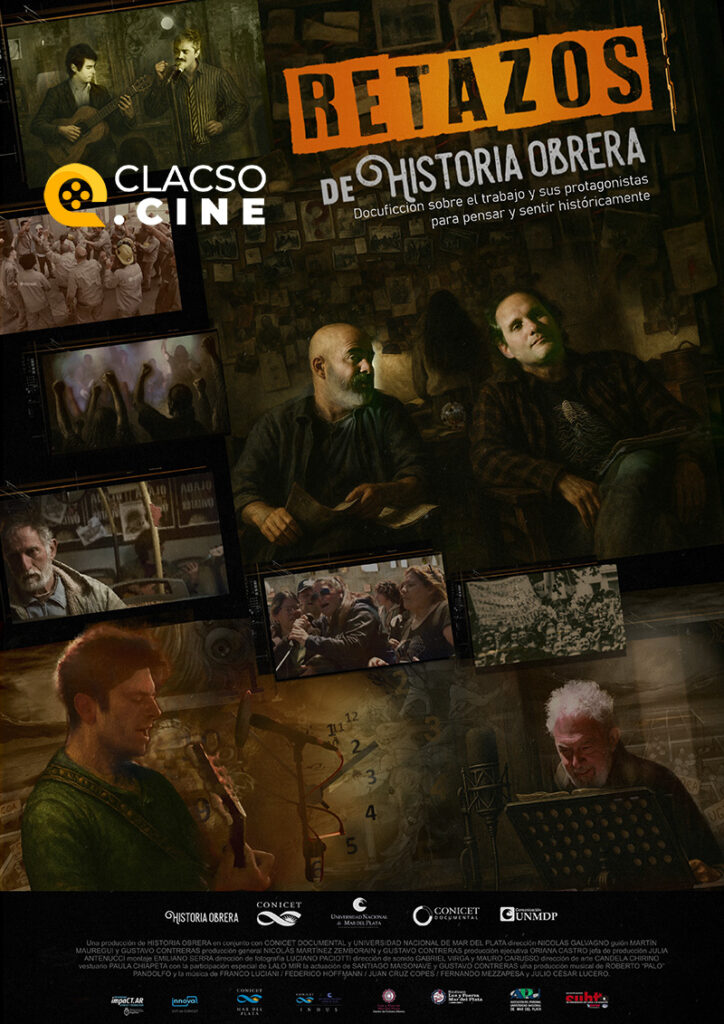
On Sunday, November 30, 2025, at the Mar Museum in the Argentine seaside city of Mar del Plata, the film " Fragments of Working-Class History " premiered. This docudrama was a joint production of the Historia Obrera collective, CONICET Documental, and the National University of Mar del Plata. The screening took place as part of the Enrock festival, with free admission.
Gustavo Contreras , a professor at the National University of Mar del Plata and a researcher at CONICET, and one of the screenwriters of the film, visited the CLACSO headquarters in Buenos Aires where he had a dialogue with Gustavo Lema , Director of Communication and Information.
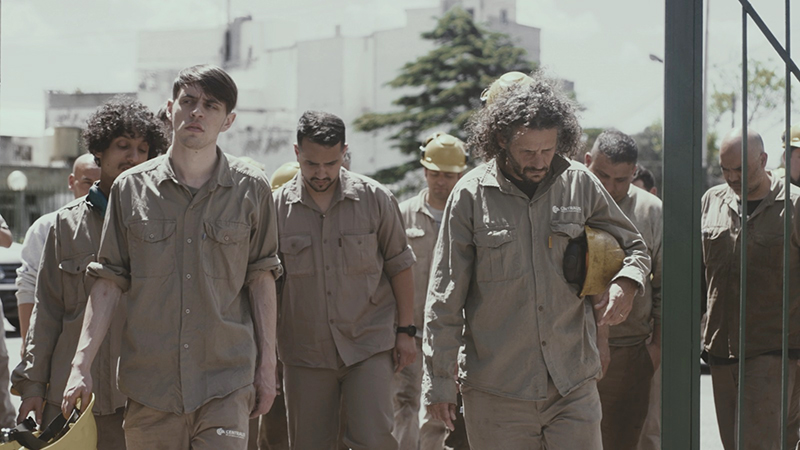
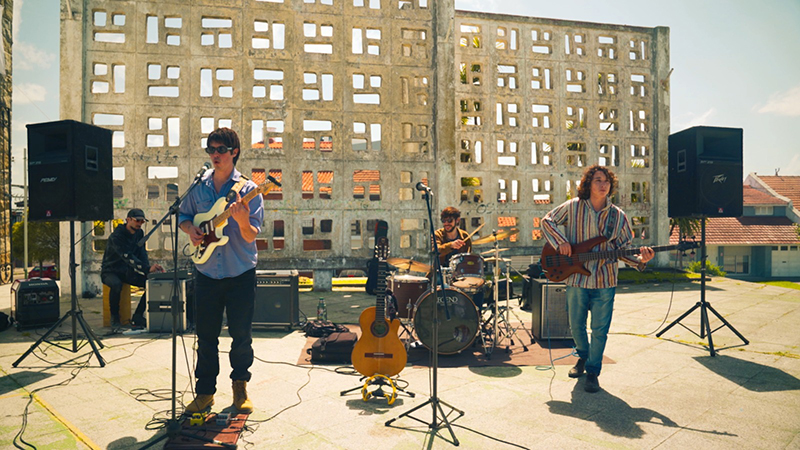
The film originated from a six-song album produced by Palo Pandolfo , the Argentine singer, songwriter, poet, and rock guitarist who passed away on July 22, 2021. The album blends history, music, and cinema. Filming took place entirely in Mar del Plata and involved approximately 300 people, including researchers, artists, audiovisual producers, and other crew members. The docudrama also features the participation of radio host Lalo Mir and musician Franco Luciani.
Synopsis
A historian and a film director have teamed up to create music videos for a six-track album produced by Palo Pandolfo. The album, presented by Lalo Mir, is part of a comprehensive project that invites listeners to reflect on and experience aspects of Argentina's working-class history between the late 19th and mid-20th centuries. To this end, each song employs a specific musical genre to interpret events, processes, figures, and collective subjects.
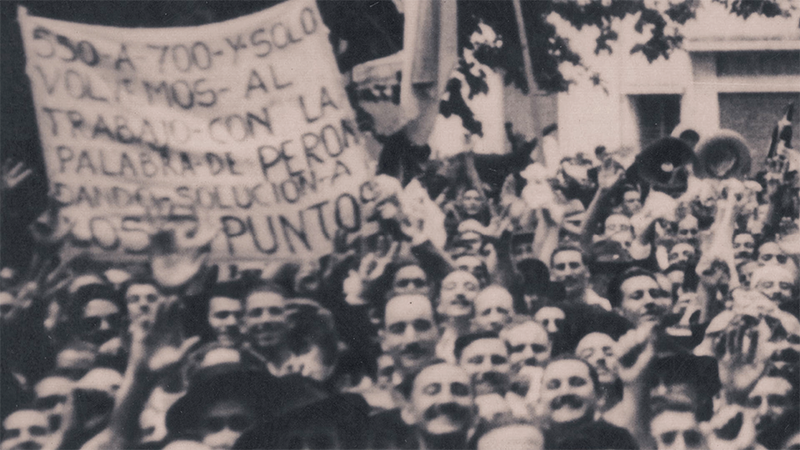
The historical and musical plot of the work proposes a journey through time that invites us to reflect on the origins of workers' organizations, anarchist actions against state repression, biographical trajectories of immigrants, political-union trends of the central trade unions, workers' aspirations on the eve of Peronism and strikes unleashed during Perón's government.
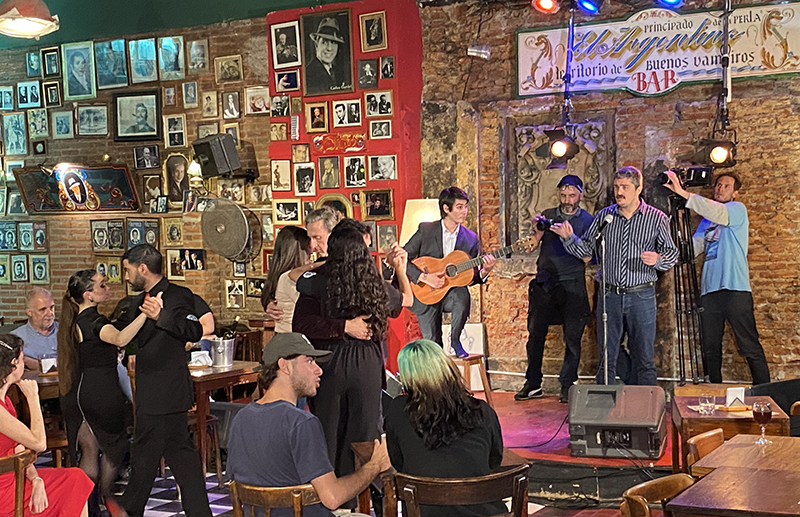
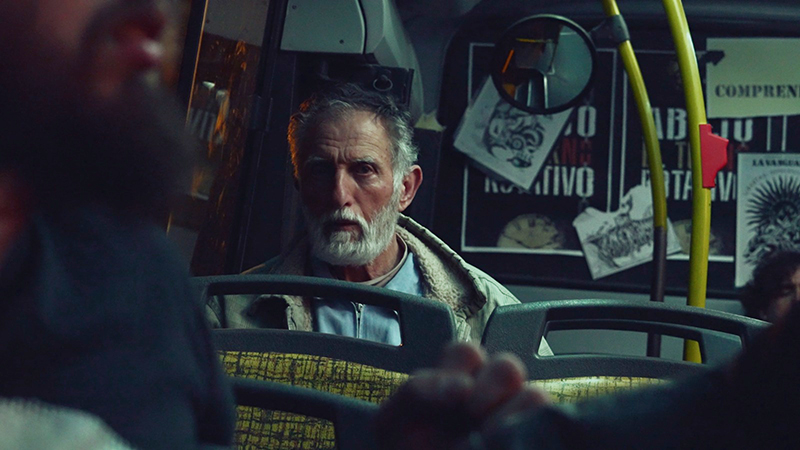
But how to tell the story the songs tell? How to represent it? Where to stage it? The historian and the filmmaker debate the importance of accuracy in analyzing the past, the uses of archives, the creative contributions of historical imagination, and the potential of compelling aesthetics. The challenges are many, and their resolution is not easy. As they discuss and deliberate, a history of labor and its protagonists unfolds in an eclectic dialogue between past and present, with workers thinking, feeling, and making their own history.
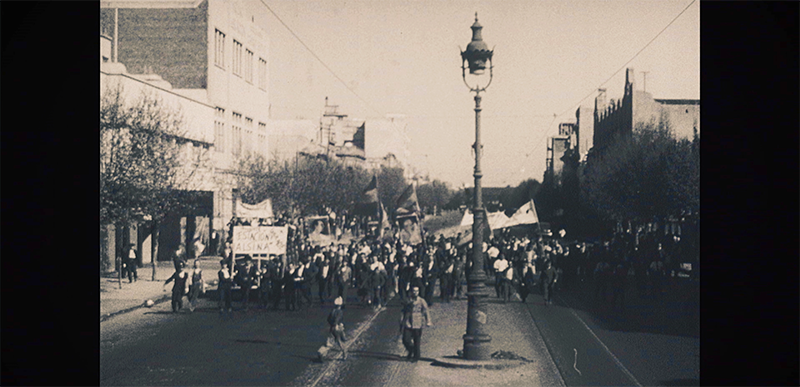
The locations refer to emblematic places in Mar del Plata such as the 9 de Julio Power Plant, the Perrier Wine Shop, the Argentino Bar, the headquarters of the Light and Power Union, Plaza Italia and the Camet railway station.
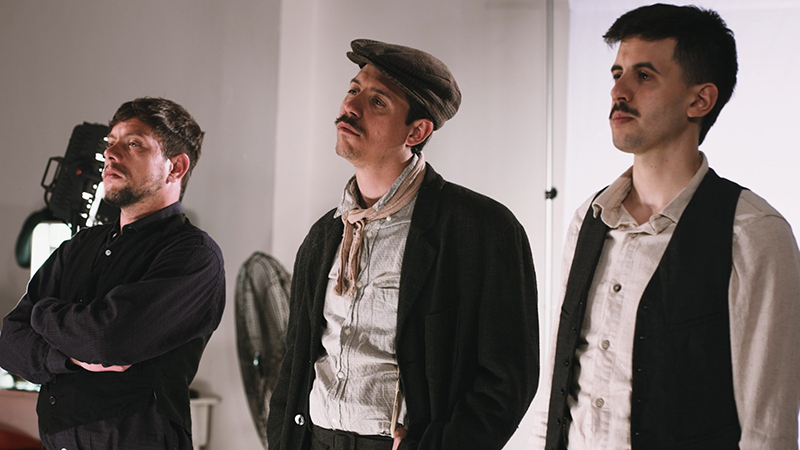
The initiative is part of a historical outreach project that combines multiple formats and content, promoted by the Historia Obrera collective. The 53-minute video was directed by Nicolás Galvagno, with a script by Martín Mauregui and Gustavo Contreras, general production by Nicolás Martínez Zemborain and Gustavo Contreras, executive production by Oriana Castro, and editing by Emiliano Serra.
The film was supported by CONICET, the Communication Secretariat of the National University of Mar del Plata, the Innovat Foundation, the Impactar Program of the Ministry of Science and Technology, CONICET Mar del Plata, the Institute of Humanities and Social Sciences, the Workers' Culture Center, the Luz y Fuerza Mar del Plata Union, the Subway and Premetro Workers' Union and the University Personnel Association.

