
Recognition of the Cuban researcher Aurelio Alonso
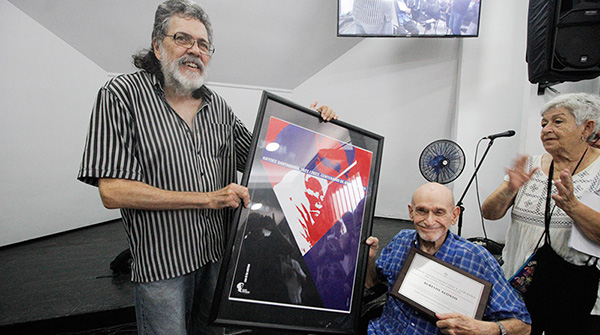
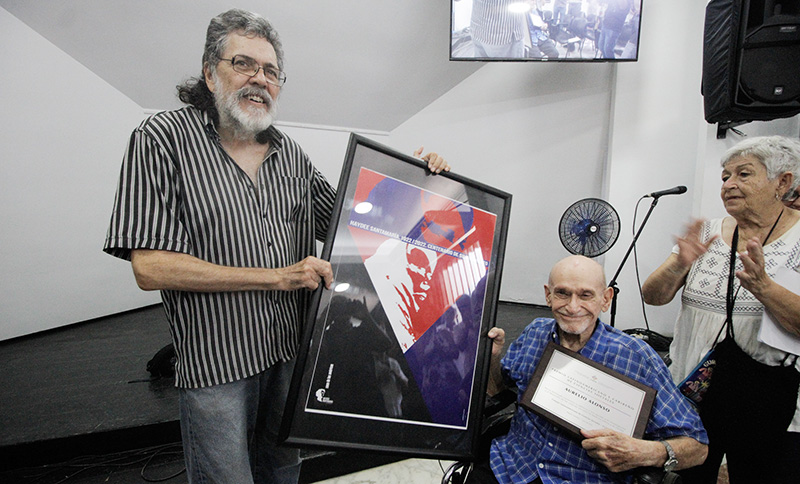
On July 4, in the Manuel Galich room of the Casa de las Américas in Havana, the Latin American and Caribbean Social Sciences Prize #CLACSO2025 was awarded to Cuban researcher Aurelio Alonso , recognized as one of the most influential figures in Latin American critical thought since the 1960s and a teacher of several generations.
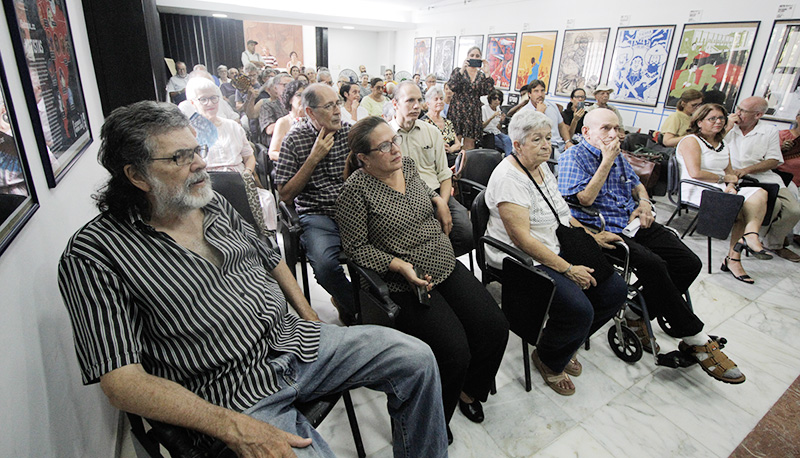
In his acceptance speech, Aurelio Alonso remembered his first intellectual family in the Department of Philosophy and expressed his gratitude to CLACSO and Casa de las Américas, the institution that has hosted him for the past 20 years. He reflected on CLACSO's key role in the region and the importance of Cuba in the Latin American context: "America needs CLACSO, and CLACSO has a role to play in Cuba."
He emphasized the need for democratic socialism, stating, "There can be no democracy without socialism, nor socialism without democracy." Furthermore, he warned of current challenges: "Today we are caught between a socialism that is still unborn and a democracy in decline," highlighting the responsibility of the social sciences in analyzing this phenomenon.
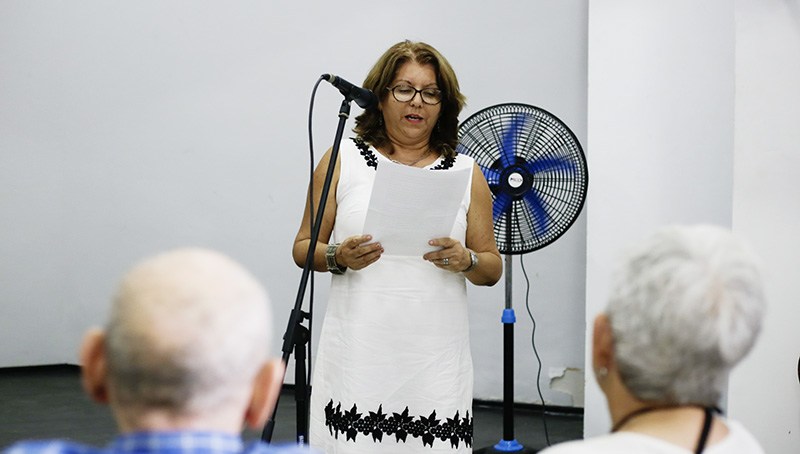
Georgina Alfonso , director of the Institute of Philosophy of Cuba and member of the CLACSO Steering Committee, highlighted Alonso's contributions to the social sciences from an emancipatory perspective. "His work calls us, through a collective ideal, to continue revolutionizing the Revolution," she stated. She also emphasized his rebellious spirit and political commitment within Cuban academia.
Rafael Hernández , political scientist and director of the journal Temas, praised the award recipient's career, defining him as a symbol of a generation in revolution, with a critical Marxist perspective and unwavering activism. Researchers, professors, friends, and specialists in his work attended the event, celebrating his legacy.
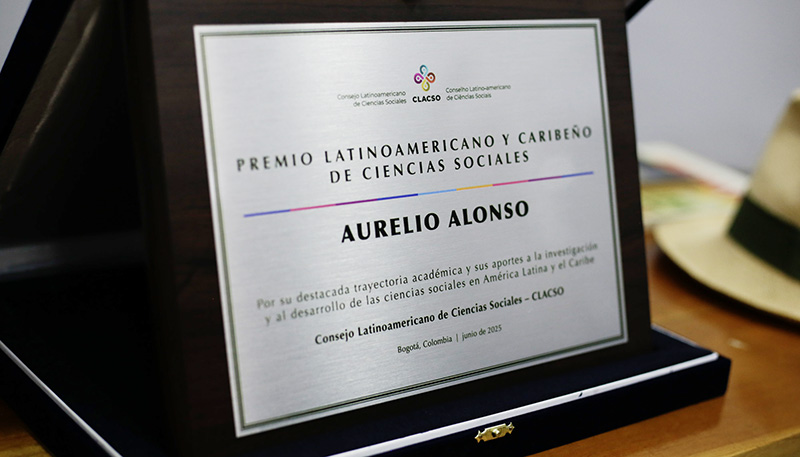
The awarding of this prize to Aurelio Alonso not only recognizes a life dedicated to critical thinking and the struggle for social justice, but also reaffirms the enduring relevance of his ideas in a regional context where the social sciences face the challenge of constructing alternatives to multisectoral crises. His teaching, his thought, and his political practice continue to inspire in our times and remain accessible to younger generations.
If you would like to receive more information about CLACSO's training programs:
[widget id=”custom_html-57″]
to our email lists.

