
What is hidden behind the “Voluntary Civic Service in Values” implemented in Argentina?
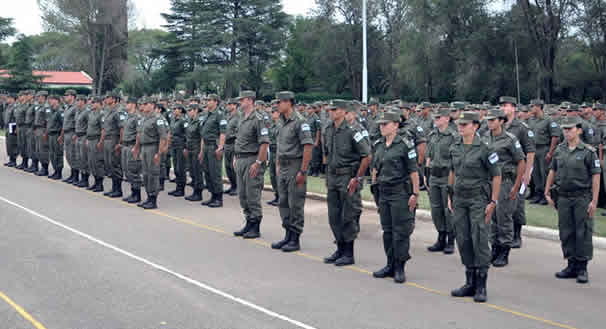
President Mauricio Macri's government created by decree a Voluntary Civic Service in Values under the responsibility of the National Gendarmerie, which is voluntary for young people between 16 and 20 years old.
Resolution 598 of the Ministry of Security establishes that this service “is born as a tool to provide training opportunities to young people through democratic and republican values, which imply civic commitment so that they know their rights and responsibilities, their personal capacities and potential.”
CLACSO Radio consulted researchers Pablo Vommaro and Sabina Frederic on the matter.
Pablo Vommaro is a historian, professor at the University of Buenos Aires, and Director of Research at CLACSO. In this capacity, he is a member of the Working Group on Youth and Childhood.

Sabina Frederic holds a doctorate in social anthropology, is a professor at the University of Quilmes, and specializes in armed and security forces.

Pablo Vommaro began his analysis by questioning the intention to transfer the training of young people to the National Gendarmerie and not to public educational institutions, especially since it is a force that was not created for that purpose but for the defense of the borders.
Sabina Frederic provided a detailed analysis of the history and functions of the National Gendarmerie and the current Argentine government's security policy, understanding that issues such as Voluntary Service divert attention from the country's central problems.
If the gendarmerie evaluates the young people who are going to register for the "Voluntary Civic Service in Values", who evaluates the gendarmes, a highly questioned force, asks Pablo Vommaro as a final reflection.

