
For legal, safe, and free abortion
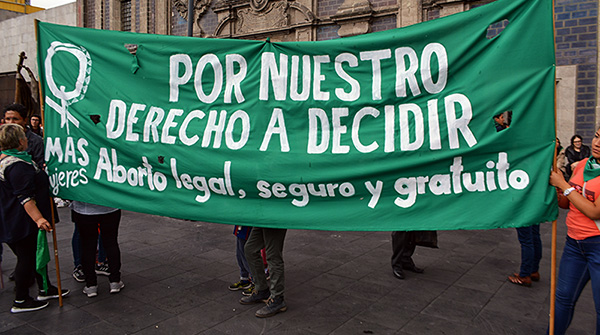
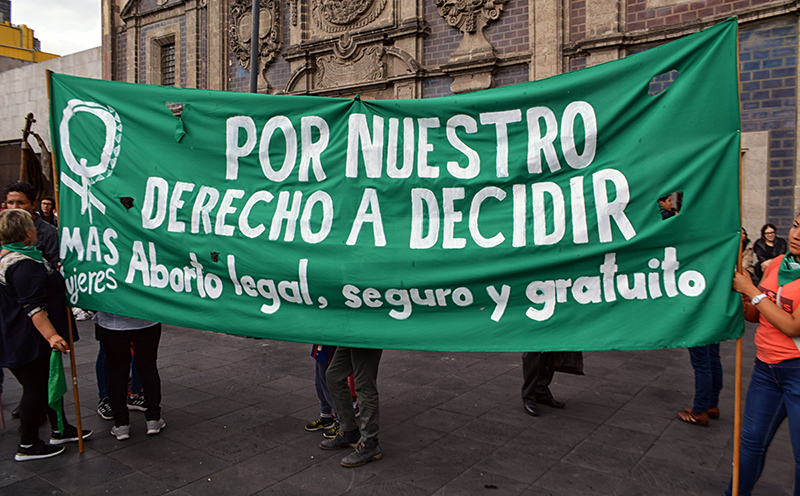
Taking into account that the consequences of unsafe and clandestine abortion constitute the leading cause of death for women in many countries of Latin America and the Caribbean, at the Fifth Latin American and Caribbean Feminist Meeting, held in Argentina in November 1990, the Assembly of the Latin American Feminist Movement declared September 28 as the “Global Day of Action for Legal, Safe and Free AbortionSince then, numerous women's organizations have joined the campaign to demand the decriminalization of abortion in the various countries of the region.
September 28th was chosen to commemorate the promulgation in Brazil in 1871 of the Law of Free Wombs, which granted freedom to the children born to enslaved women from that date forward. This historical event symbolizes a struggle for the freedom and autonomy of pregnant people.
The main purpose of the Global Day of Action is to raise awareness of the problem of unsafe and clandestine abortion, which is one of the main causes of maternal mortality and morbidity in many countries, especially in Latin America and the Caribbean, and in developing countries.
Likewise, pressure states to decriminalize abortion, guarantee access to legal, safe, free and accessible abortion without barriers or discrimination, and improve overall sexual and reproductive health, including access to modern contraceptive methods and comprehensive sex education.
To date, six countries in Our America prohibit abortion without exceptions: El Salvador, Honduras, Nicaragua, Dominican Republic, Haiti and Suriname.
CLACSO has an extensive catalog of publications on Voluntary Interruption of Pregnancy (VIP), legal abortion, and sexual and reproductive rights. Among others:
Guide to accessing voluntary and legal abortion (Ministry of Women, Gender and Diversity of Argentina, distributed by CLACSO)
Public policies and gender perspective
Abortion among poor women. Sociology of experience
The rising green tide: The fight for reproductive justice in Argentina.
In “Notebooks of Latin American Critical Thought” No. 85

