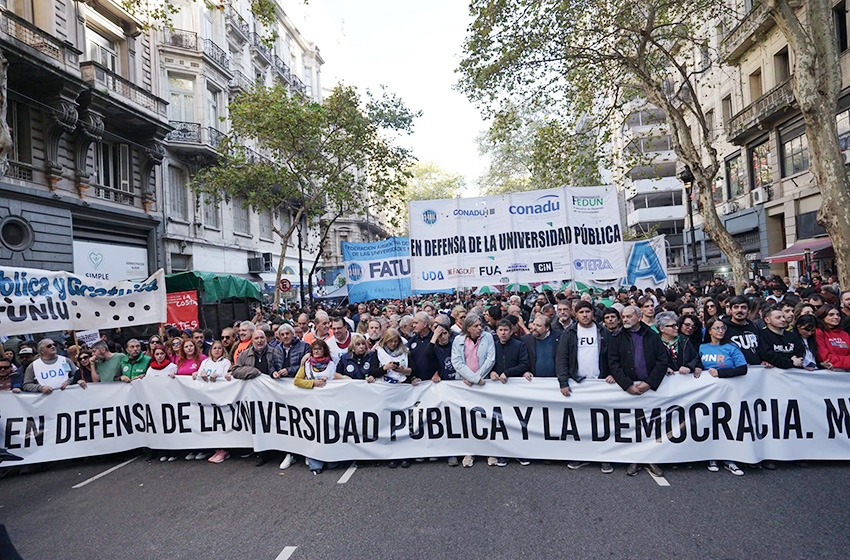
For the defense of education, sovereignty, and democracy

On Thursday, October 15, Argentina mobilized once again in defense of public universities. The Fifth Federal University March brought together a multitude of students, professors, non-teaching staff, university authorities, and social and labor organizations in major cities, centered in the capital, Buenos Aires. The day transcended the specific demands of the education system and expressed a shared concern for the present and future of the country.
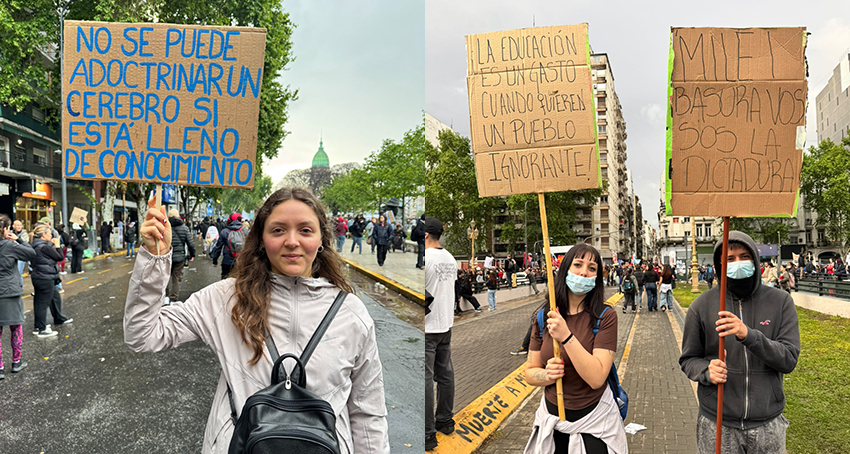
Under the slogan " For the defense of education, sovereignty and democracy ," this mobilization is a continuation of a conflict that has intensified due to the lack of application of the University Financing Law sanctioned by Congress at the end of 2025 and which the libertarian government of Javier Milei not only refuses to apply, but also orders to be savagely repressed as happened, once again, on October 15.

The marches, in which various members of the CLACSO Network participated , demanded the effective implementation of the University Financing Law, the restoration of teaching and non-teaching staff salaries, the updating of student scholarships, and the necessary resources to guarantee the functioning of national universities and the continuity of the scientific system.
The demonstration also took place in the context of the debate on the 2027 Budget, which includes further cuts to education funding, and of demands for compliance with court rulings related to university funding, which the Argentine government has repeatedly failed to comply with.
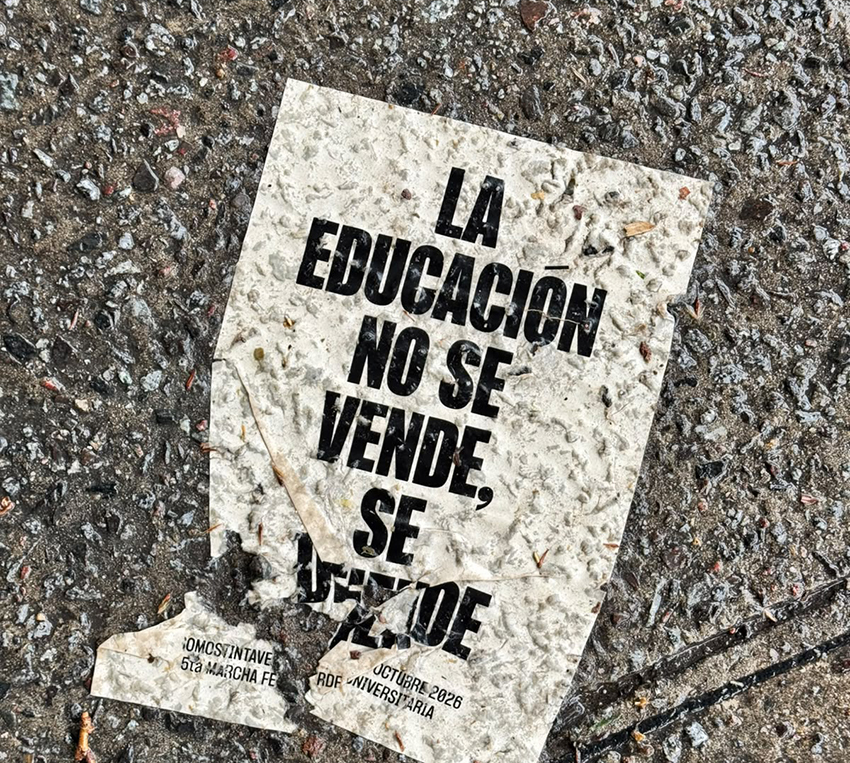
The day coincided with other expressions of social unrest in Argentina. In addition to the demands of the university community, various sectors of the labor movement, social organizations, and groups calling for solutions to household debt, the disability crisis, and the deterioration of living conditions also voiced their concerns.
This convergence reveals a common ground among diverse demands: the defense of social rights and the material conditions that make a dignified life possible. Access to education, job security, income, health, inclusion, respect for disabilities, and knowledge production are not isolated dimensions. They form part of a web of interdependent rights that directly impact the development opportunities of individuals and society as a whole.
The public university occupies a central place in this framework. It is a space for education, research, critical thinking, and knowledge production; an institution that expands opportunities, fosters social mobility, and contributes to understanding and transforming reality. Strengthening it is also crucial for the capacity of Latin American and Caribbean countries to produce their own knowledge, develop science and technology, and build future projects with greater autonomy.
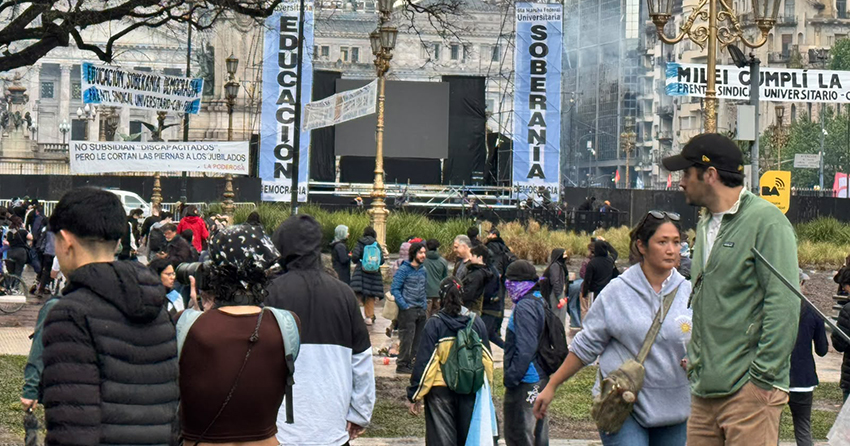
Defending public universities, therefore, points to a broader discussion about the role of the state, public responsibilities, and the place of education and science in the development of our societies. When university demands converge with those of other social sectors, the relationship between the funding of public institutions, working conditions, equal opportunities, and the guarantee of rights becomes clear.
From a Latin American perspective, these discussions also challenge the region as a whole. Public universities and scientific systems—attacked and defunded in several countries of the region—constitute strategic assets for addressing inequalities, strengthening democracies, and generating collective responses to contemporary social, economic, cultural, and environmental challenges.
The fifth Federal University March in Argentina has once again placed these issues in the public sphere. Its significance extends beyond a budgetary dispute: it expresses concern for the conditions necessary to sustain a society with rights, expand opportunities for new generations, and build a shared future.