Panama commemorates the integrationist legacy of Simón Bolívar two centuries after the Amphictyonic Congress
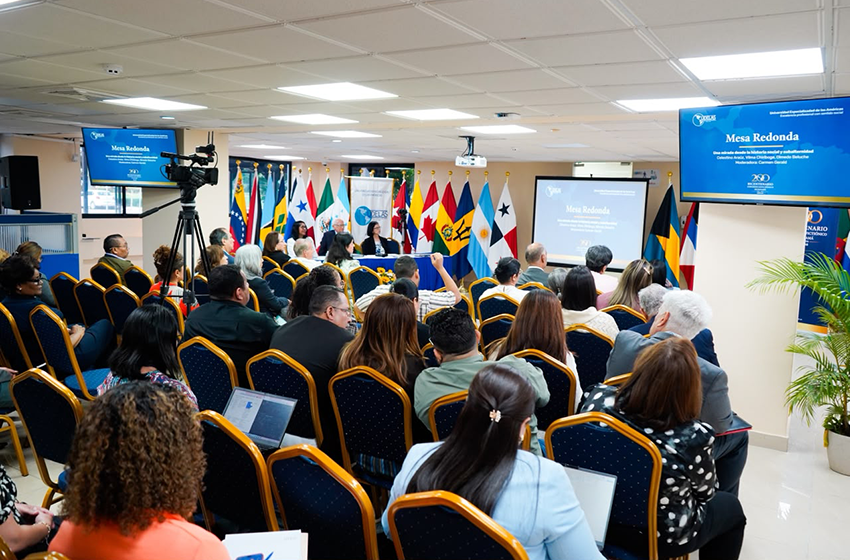
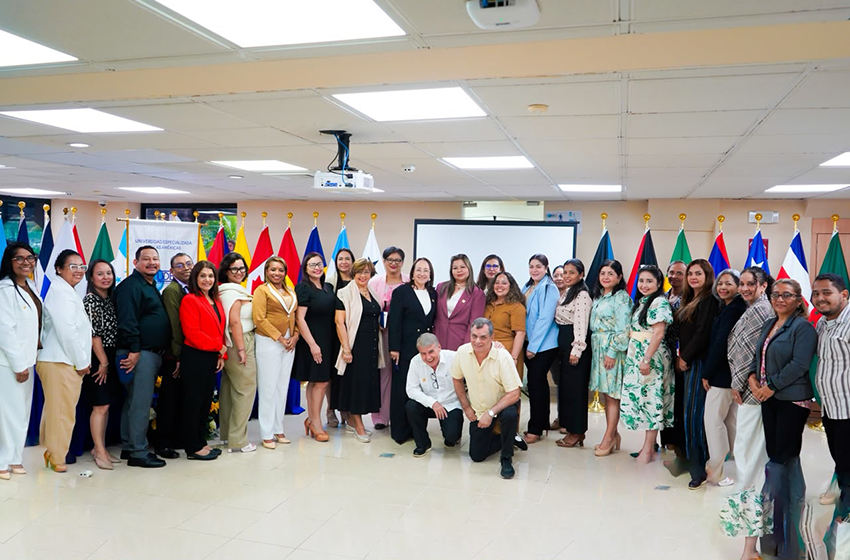
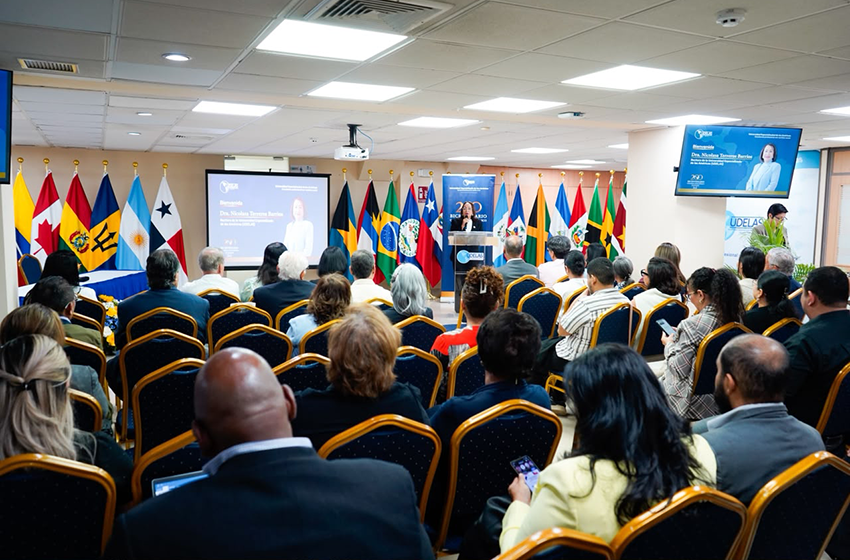
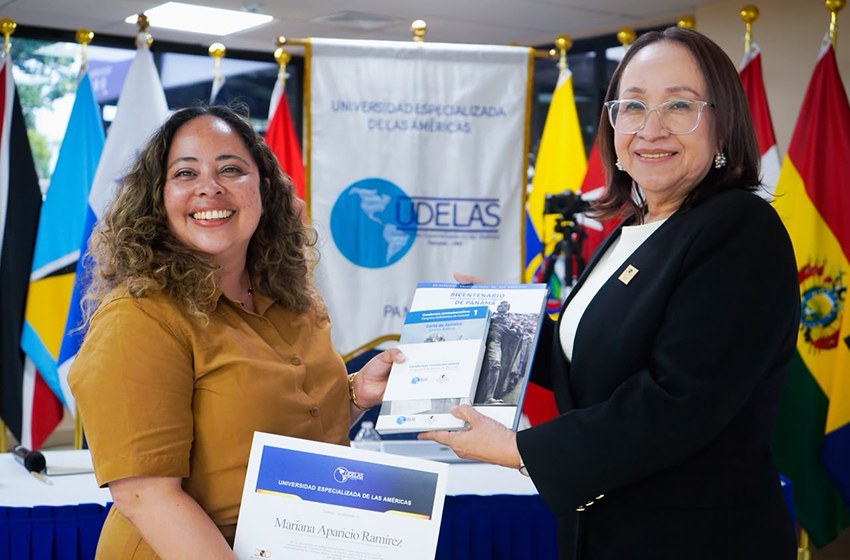
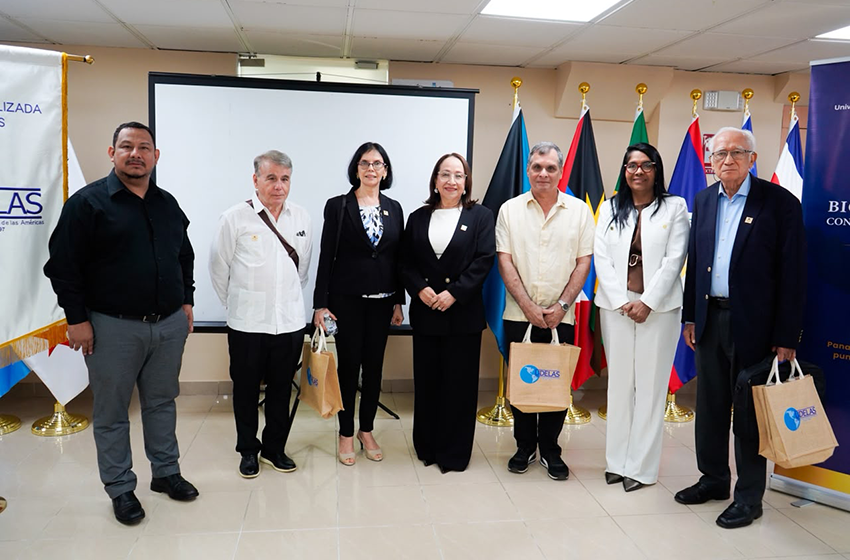
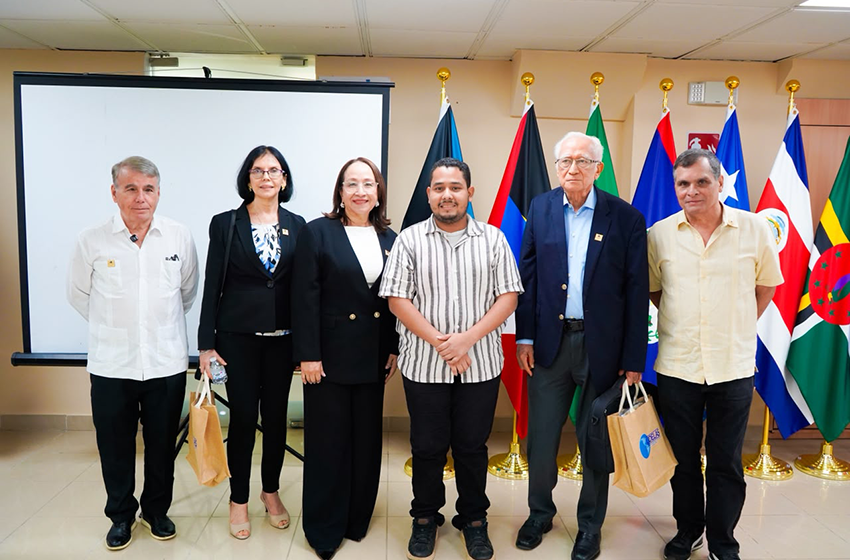
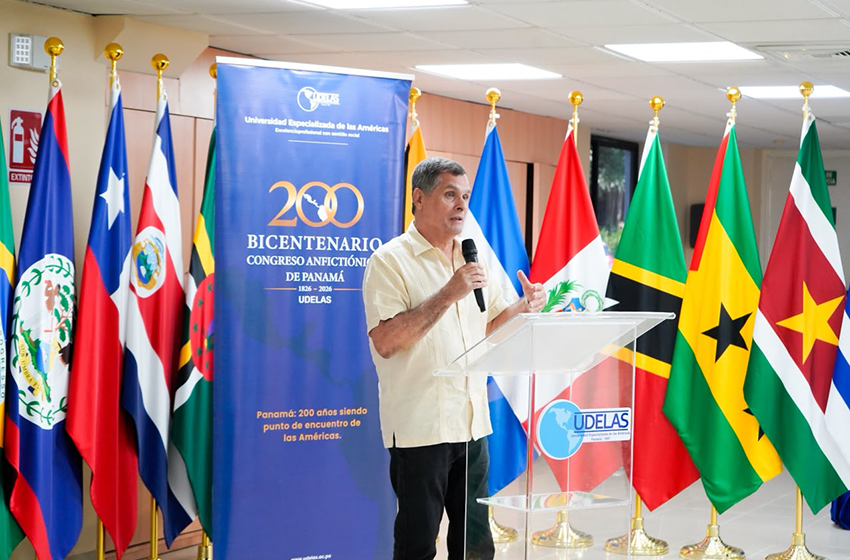
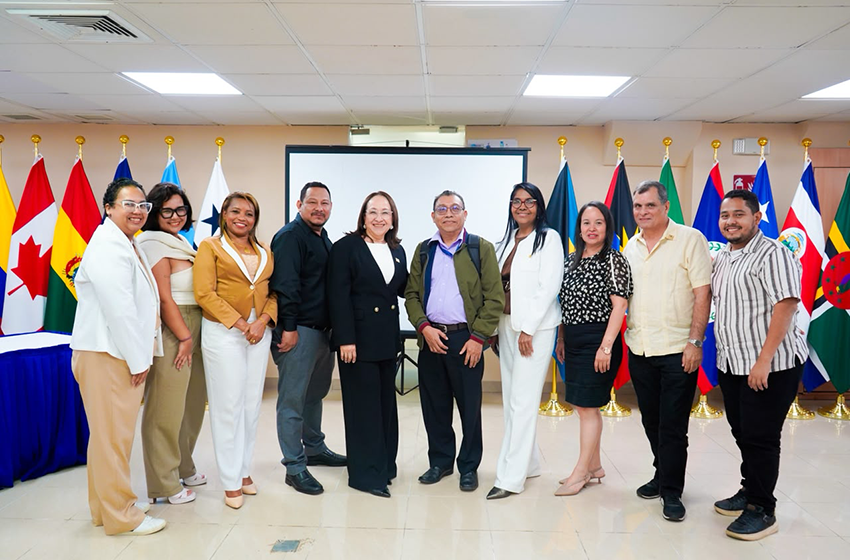
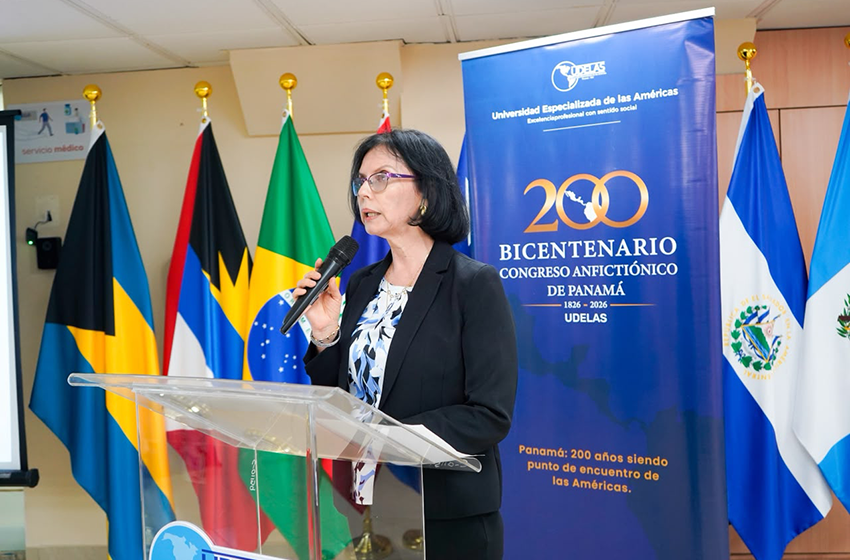
In an effort to recover historical memory and analyze the region's current geopolitical challenges, the Specialized University of the Americas (UDELAS) became the epicenter of Latin Americanist debate. The Center for Research and Development in Humanities (CIFHU), the Center for Latin American Studies (CELA), the Department of Sociology, and UDELAS successfully organized the academic conference "200 Years Since Simón Bolívar's Integrative Thought and the Historic Amphictyonic Congress of Panama ," held on July 15, 2026.
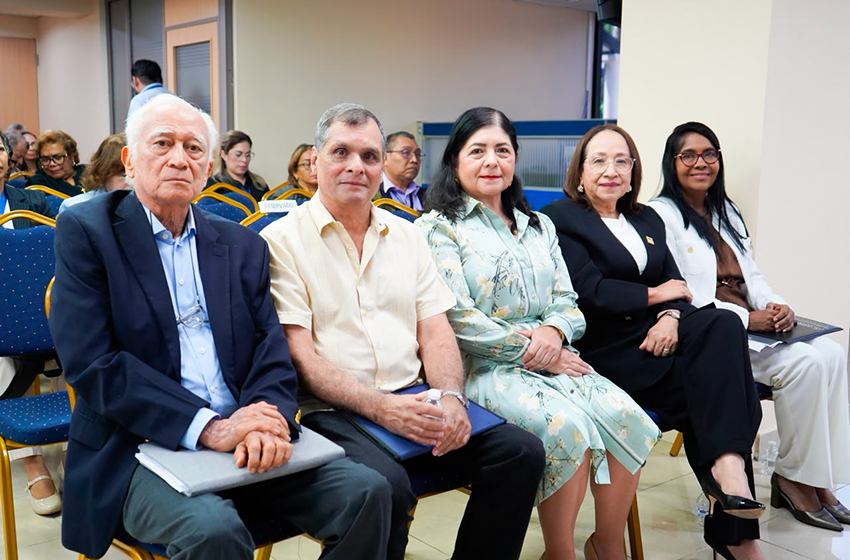
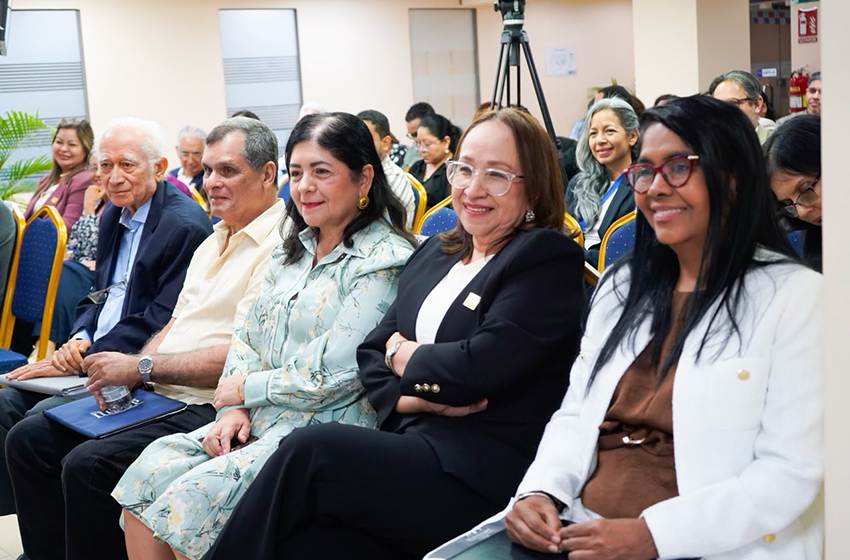
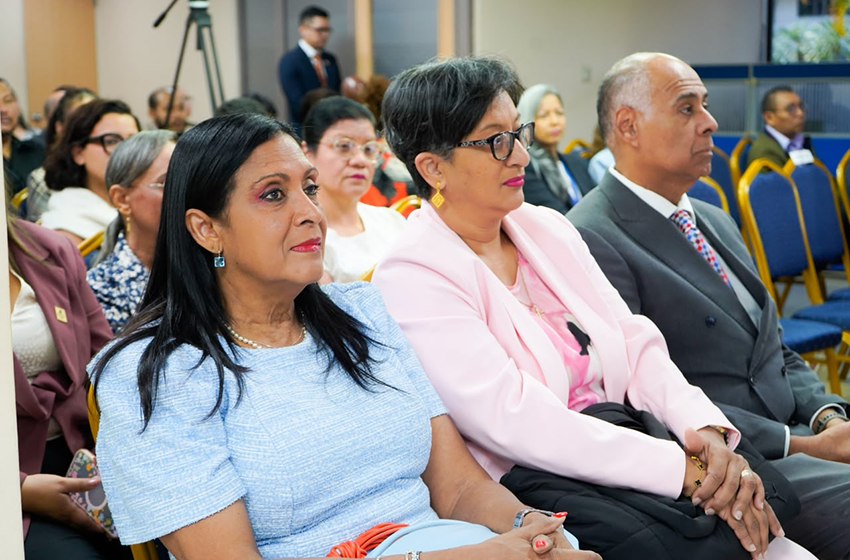
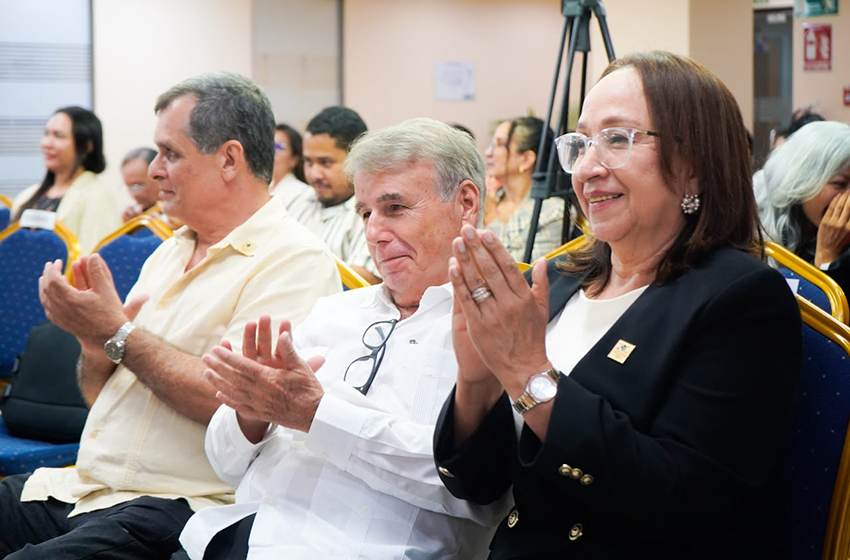
The event brought together a large audience of researchers, teachers, students and citizens interested in regional integration, who reflected on the relevance of the Bolivarian project in the face of pressures from global power blocs.
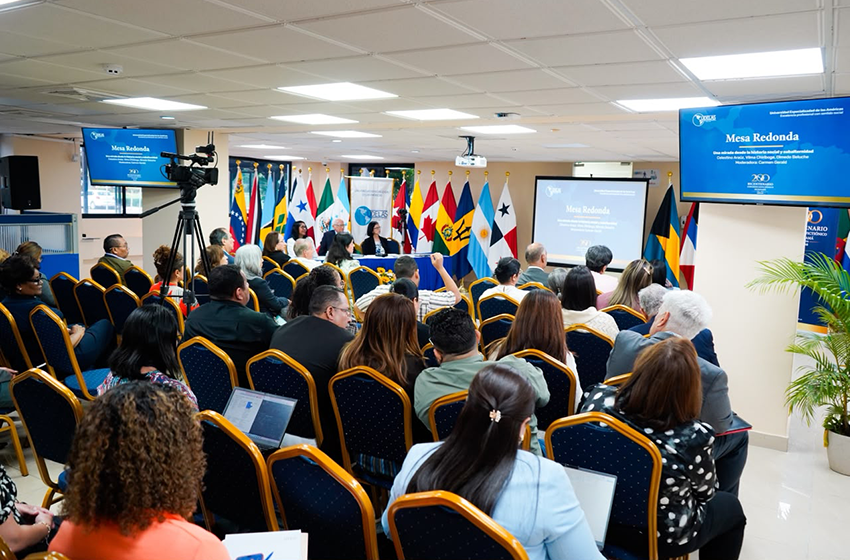
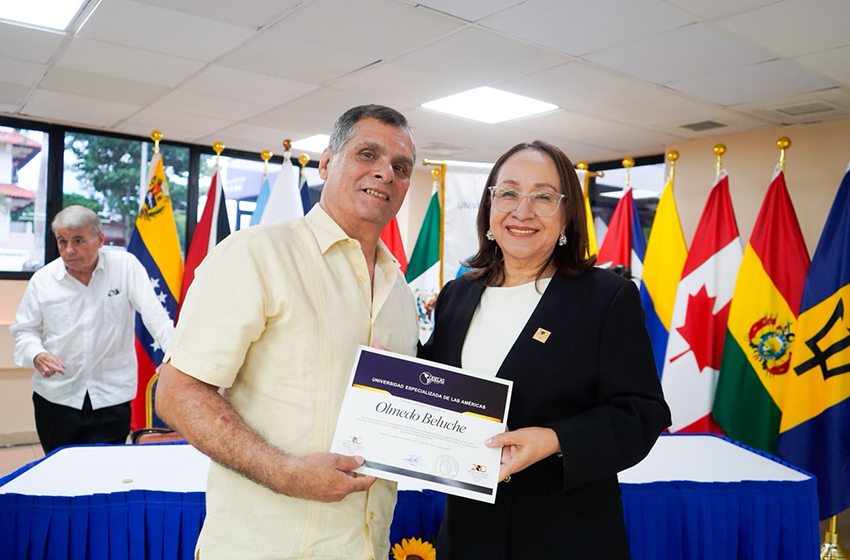
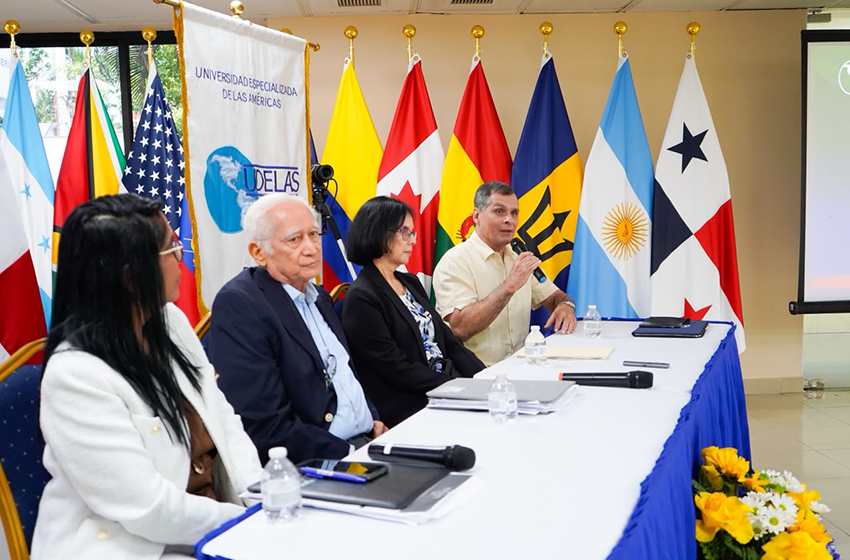
The morning session began with a roundtable discussion entitled "Bicentennial of the Amphictyonic Congress: A Look from Social History and Subalternity ." In this forum, Celestino Araúz, Vilma Chiriboga, and Olmedo Beluche analyzed the historic congress of 1826. The panelists agreed on the importance of studying this milestone not only from the perspective of the elites, but also from the aspirations of the popular sectors.
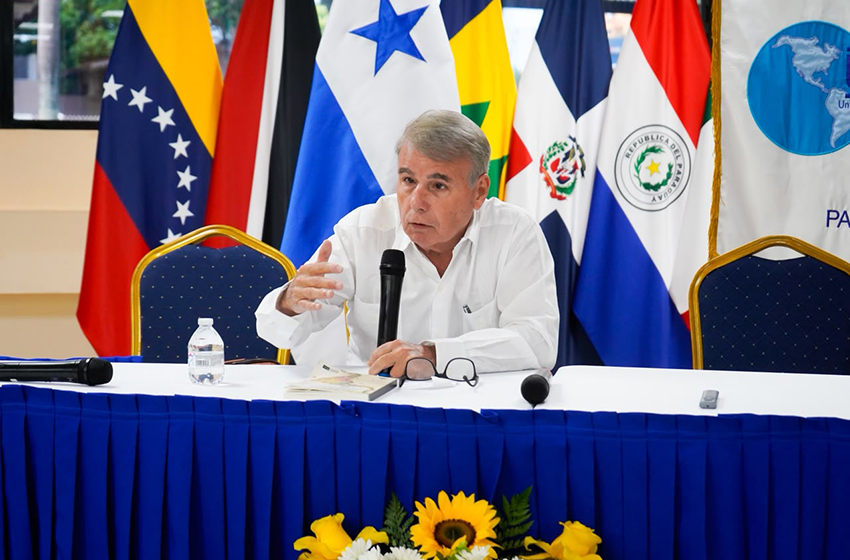
The grand finale was provided by the renowned Cuban historian Sergio Guerra Vilaboy , who delivered a high-level master lecture and highlighted the strategic nature of the Isthmus of Panama in Simón Bolívar's geopolitical design, unraveling the value of continental unity as the only viable shield to protect the sovereignty of the young American republics against the colonial ambitions of the time.
In the afternoon, the discussion shifted to contemporary issues with the expert panel " Geopolitics, Imperialism, and New Threats to Latin American Sovereignty." This forum featured Mariana Aparicio (Mexico), Jaime Preciado (Mexico), and Carlos Eduardo Martins (Brazil).
The panelists critically broke down how modern imperial dynamics and financial, technological, and military pressures continue to threaten the self-determination of the peoples of Latin America and the Caribbean.
The event concluded with a question and answer session with the attendees, consolidating the CLACSO Panama Network of Centers and UDELAS as key platforms for academic discussion committed to social transformation and the integrative future of the continent.
Alongside the in-person discussions, CLACSO Executive Director Pablo Vommaro sent warm greetings of appreciation to the Network of Centers in Panama and contributed his analysis through an audiovisual presentation. Vommaro emphasized the urgency of reviving the spirit of the Amphictyonic Congress of 1826 in the current regional context, marked by what he defined as a "reintensification of the Monroe Doctrine" and external interventionism. In his message, he urged that this bicentennial commemoration not be a merely formal act, but rather the driving force behind a cross-cutting integration agenda that is "embodied in the people" and developed "from social movements, communities, and territories " as the only way to consolidate genuine regional sovereignty and autonomy in the face of contemporary threats.
Panama City, July 16, 2026.