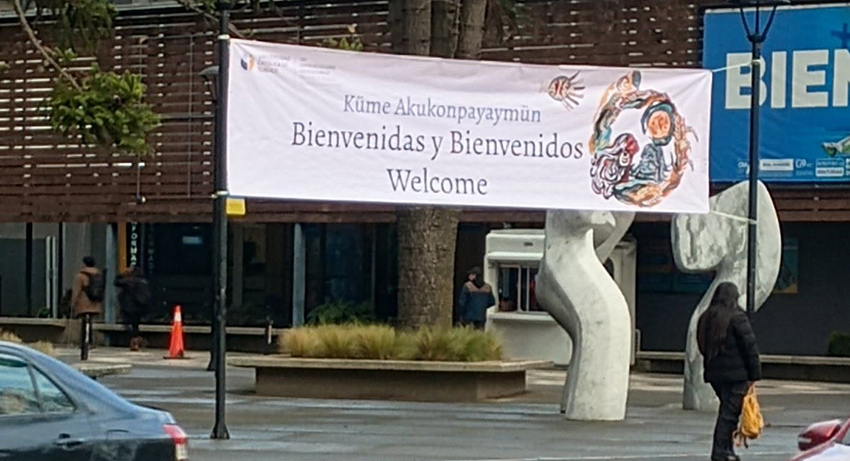
Memories, Territories and Movements
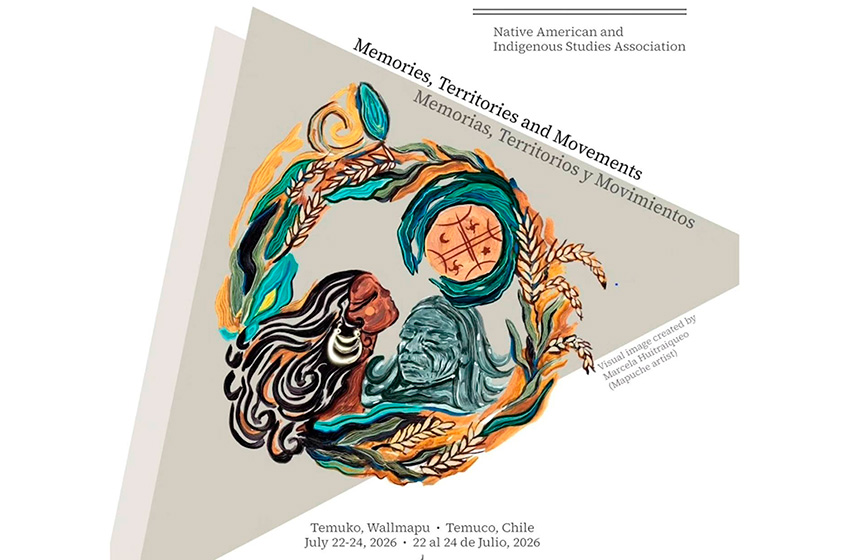
Between July 22 and 24, the city of Temuco (Chile) hosted the seventeenth edition of the Annual Congress of the Native American and Indigenous Studies Association (NAISA), a cutting-edge scientific and social meeting that for the first time in its history took place in Latin America.
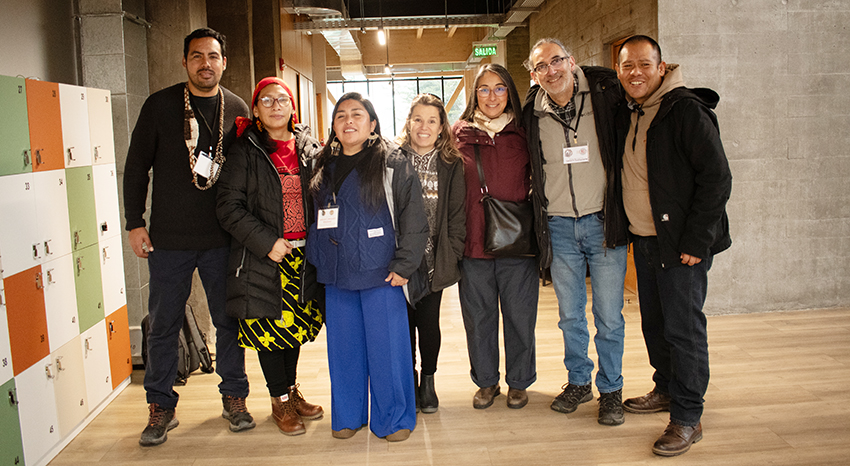
Through the Working Group “Indigenous Peoples: Epistemic-Territorial Dialogues and Disputes ”, the Latin American Council of Social Sciences participated in the Congress as part of the IDRC INDIGENA project that it shares with the International Development Research Centre of Canada.
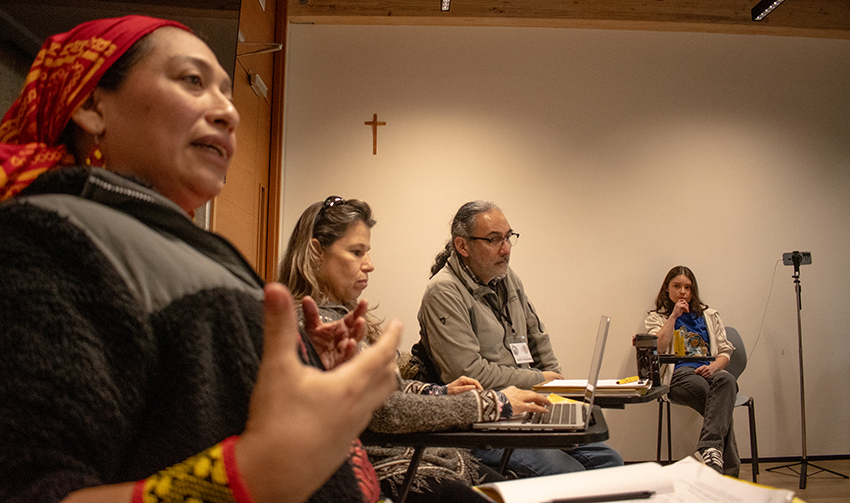
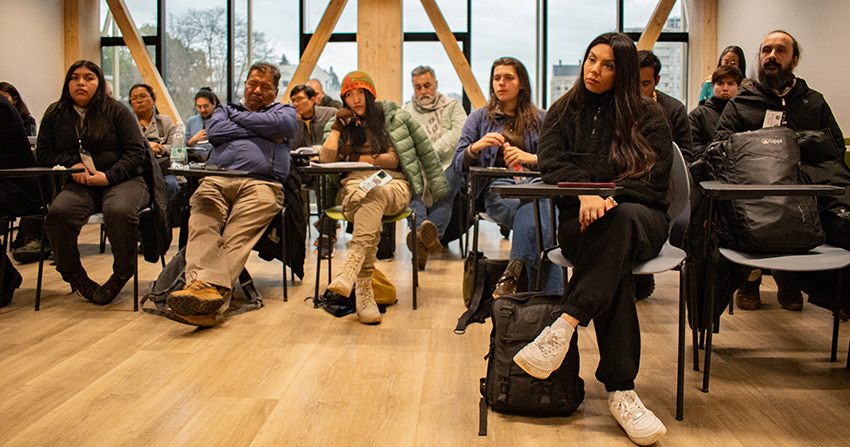
Organized in collaboration with the Catholic University of Temuco (UCT) and its Center for Sociocultural Studies (CES-UCT), the event brought together more than a thousand researchers, scholars, activists and leaders of native peoples from Abya Yala, Oceania, Asia and Europe.
Under the motto “ Memories, Territories and Movements ”, the congress functioned as a pluralistic space for transdisciplinary articulation to debate the ethical, political and ecological challenges that indigenous communities face on a global scale.
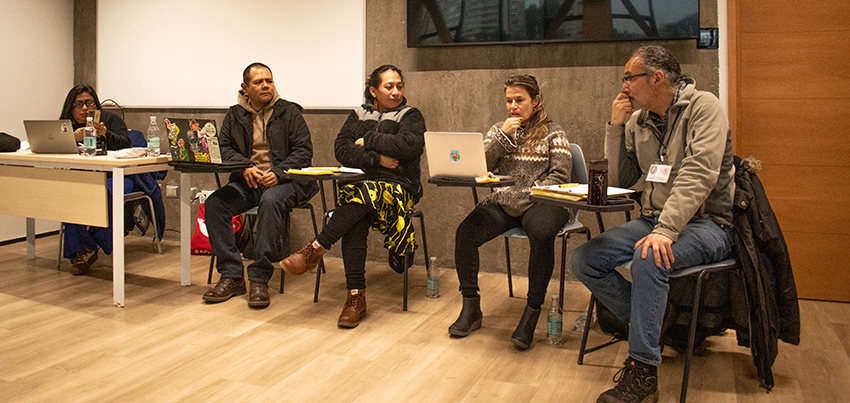
Throughout the three days, more than 250 simultaneous sessions, round tables, artistic displays and cultural interventions took place, addressing critical agendas for contemporary social research:
-Territorial sovereignty and environmental justice: Analysis of socio-environmental conflicts, access to and protection of water and community strategies in the face of climate change.
-Languages, revitalization and interculturality: Experiences of conservation and transmission of indigenous languages, with special emphasis on Mapuzungun and its projection in the educational and institutional field.
-Human rights and decolonization of knowledge: Reflections on self-determination, memories of resistance, the decolonization of academic research and the irruption of new technologies and artificial intelligence from an indigenous perspective.
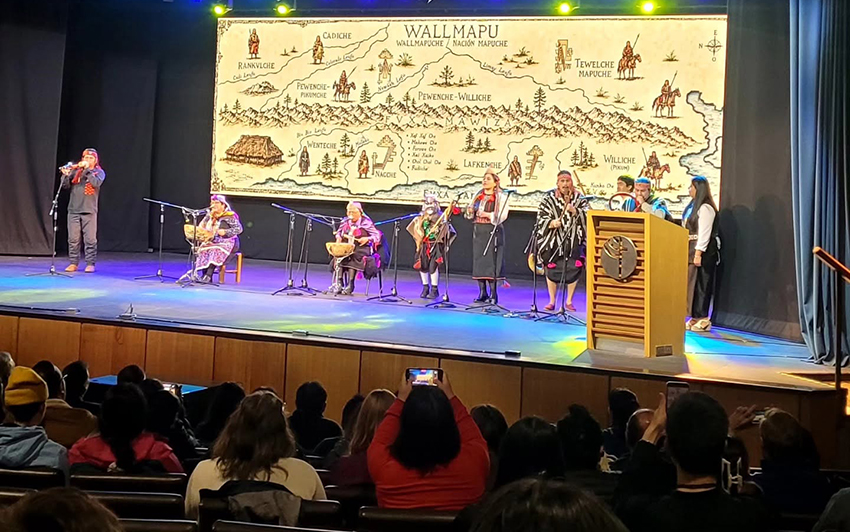
Holding the congress on the UCT campus reaffirmed the commitment of the social sciences of the Global South to building symmetrical intercultural dialogues. In a regional context marked by territorial and institutional tensions, the NAISA meeting in Wallmapu consolidated global networks of scientific and intellectual collaboration, highlighting the centrality of Indigenous epistemologies for envisioning alternatives to the civilizational crises of the present.
With a strong bilingual and intercultural focus, the meeting not only highlighted the most recent academic productions in the field of indigenous studies, but also renewed the alliance between research work and the struggles for the dignity and sovereignty of the peoples.