
Collective memories and resistance practices
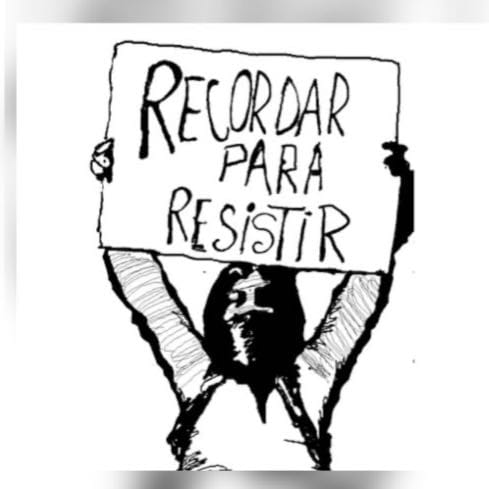
In the CLACSO Working Group Collective memories and resistance practices We focus on the articulation between the processes of
collective memory and diverse resistance practices within the context of contemporary neoliberalism. Through this, we aim to understand, decode, and influence the sociopolitical reality of
our countries from a perspective alternative to neoliberalism.
We are primarily interested in the role of collective memories as instruments of resistance; that is, as practices generally carried out from the margins or even underground, which attempt to construct alternatives and, in doing so, erode and divert hegemonic processes. We propose
to contribute to such practices, recovering everything from the knowledge of native peoples to the lights and shadows of the most recent experiences of the 21st century.
We consider of particular interest the autonomous community resistances, both indigenous and Afro-descendant, the migrant defense movements and the organizations defending life and territory, which oppose the destructiveness of megaprojects and corporations.
We also reclaim a feminist and critical perspective, from the epistemological standpoints of the Global South, to envision resilient alternatives that contribute to the construction of thought and action. We believe that in the current context of the continent, it is essential to observe the different modes of action and organization for defending life, as well as those that confront violence and allow us to overcome fear, as an instrument of social control in late capitalism.
Coordinate
Isabel Piper Shafir
Department of Psychology
Faculty of Social Sciences
Universidad de Chile
Chile
Pilar Calveiro
Autonomous University of Mexico City
Academic coordination
Autonomous University of Mexico City
Mexico
Ana María Cacopardo
Institute for Research in Humanities and Social Sciences
National University of La Plata – National Council for Scientific and Technical Research
Argentina

