
The BRICS' joint efforts in the face of the new coronavirus
Wang Lei1
The BRICS countries maintain an ongoing dialogue on international policy issues that concern them, with the novel coronavirus being the biggest challenge the bloc has faced so far in 2020. In an era characterized by globalization, no one can remain isolated and prioritize themselves over others in the face of a global epidemic.
Given the confirmed cases of the new coronavirus among member countries, and under the imminent danger of its spread, the only option left is to intensify cooperation and mutual trust, joining forces to win the fight against the epidemic.
The importance of consensus
The BRICS countries have the world's largest population, making a joint effort to combat infectious diseases vitally important. A broad consensus has been reached through cooperation, with the first meeting of the bloc's health ministers in Beijing in July 2011 serving as a prime example of this collaborative work.
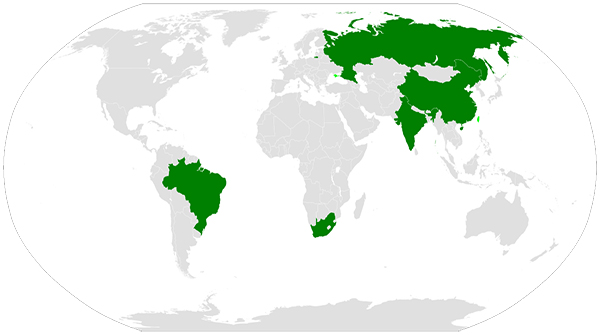
On the other hand, at a summit held in New Delhi in 2012, the BRICS leaders expressed the need to implement a fairer, more efficient, and more sustainable health system in response to the rising costs and spread of infectious and non-infectious diseases facing the five member countries: Brazil, Russia, India, China, and South Africa. Therefore, three years later, at the 2015 Summit held in the Russian city of Ufa, these issues were discussed again, with the leaders expressing the need to strengthen coordination with the UN and the WHO to successfully address infectious diseases.
When South Africa assumed the BRICS presidency in 2018, efforts focused on vaccine research and development, leading to the establishment of a dedicated center. The third UN high-level meeting on the prevention and control of non-communicable diseases was also a key focus. Another BRICS leaders' meeting is scheduled for July of this year, where further consensus is expected on public health management and the fight against communicable diseases.
Mutual help
Since the novel coronavirus outbreak in the city of Wuhan in Hubei province, spreading rapidly throughout the country and then to the rest of the world, the BRICS leaders and governments have expressed their support in various ways. The presidents of Brazil, Jair Bolsonaro; Russia, Vladimir Putin; India, Narendra Modi; and South Africa, Matamela Cyril Ramaphosa, expressed their solidarity with the Chinese government and people through personal letters or televised videos. Similarly, the African National Congress (ANC) commended China's responsible and effective handling of the virus and also sent medical supplies such as masks and protective gloves, as well as humanitarian aid.
For their part, the Chinese government assisted BRICS countries in evacuating their citizens from Wuhan, while these countries have continued to provide facilities for Chinese citizens who travel, study, work, or live in their countries.
Between February 11 and 13, when China was at the height of its fight against the coronavirus and Russia was beginning to register its first cases, the bloc signed a declaration committing all members to cooperate closely to end the epidemic as soon as possible. This demonstrates the clear spirit of solidarity among the five countries, which continue to work together daily to ensure the well-being of their people and the BRICS community of shared future.
Joining forces to overcome difficulties
As prevention and control of the new coronavirus worldwide enters a critical phase, with the WHO raising the risk level from "high" to "very high," the impact has been felt in different spheres, from the economy to trade, especially for emerging economies.
Furthermore, the risk of the epidemic spreading to areas with more precarious public health systems has increased considerably as new cases of infected or suspected infections have been detected.
The BRICS countries have a population of 3200 billion—42% of the world's total—making all efforts dedicated to prevention and control crucial. That is why the bloc has maintained a united front against some media outlets that attempt to exacerbate fear and, worse, associate the novel coronavirus with a particular race or group of people.
As the novel coronavirus spreads to more than half the world's countries, BRICS must further expand its efforts to jointly combat the virus and thus safeguard the principle of multilateralism that defines it. This not only reflects its spirit of openness, inclusiveness, cooperation, and mutual benefit, but also drives the building of a world characterized by lasting peace, universal security, and prosperity for all.
1- Wang Lei is an adjunct professor at the Institute of Governance and director of the Center for BRICS Cooperation Studies at Beijing Normal University. Article published in “China Today”.
[+] Thinking about the pandemic


