
Women leaders in Colombia begin training process in organizational strengthening and popular communication
More than 100 women leaders from different regions of Colombia participate in face-to-face meetings promoted by the Vice Ministry of Women of Colombia and the Latin American Council of Social Sciences (CLACSO). The initiative is part of a national training strategy that currently reaches more than 4.100 participants throughout the South American country, including women leaders and public force personnel, through various diploma programs focused on guaranteeing women's rights, preventing gender-based violence, and strengthening organizational capacity.
On May 8, the in-person sessions of the “Advanced Diploma in Women's Organizational Strengthening with Emphasis on Project Formulation and Popular Communication".
The new hybrid edition of the diploma combines virtual training and face-to-face territorial meetings that will take place simultaneously in five municipalities of the country: Pasto (Nariño), Corozal (Bolívar and Sucre), Quibdó (Chocó), Villavicencio (Meta) and Ocaña (Norte de Santander), with the participation of more than 100 women leaders of organizational, community and territorial processes.
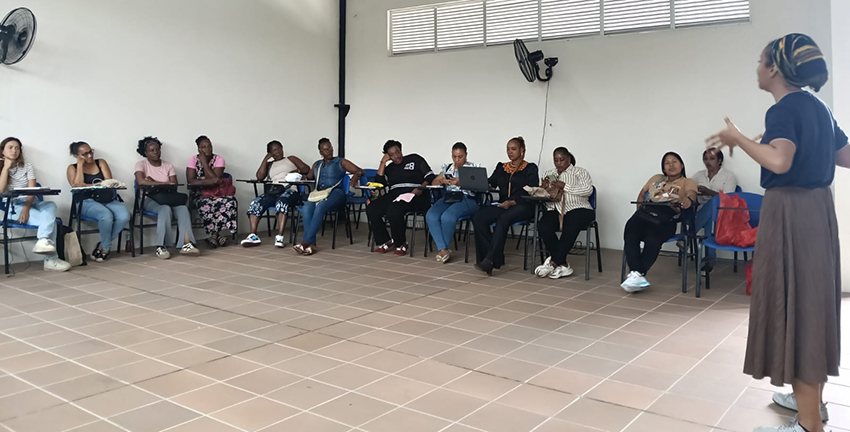
Quibdó (Chocó)
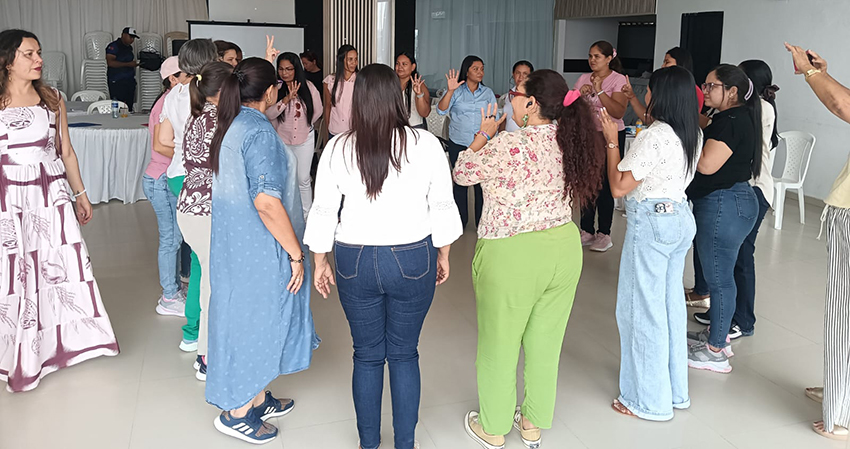
Corozal (Bolívar and Sucre)
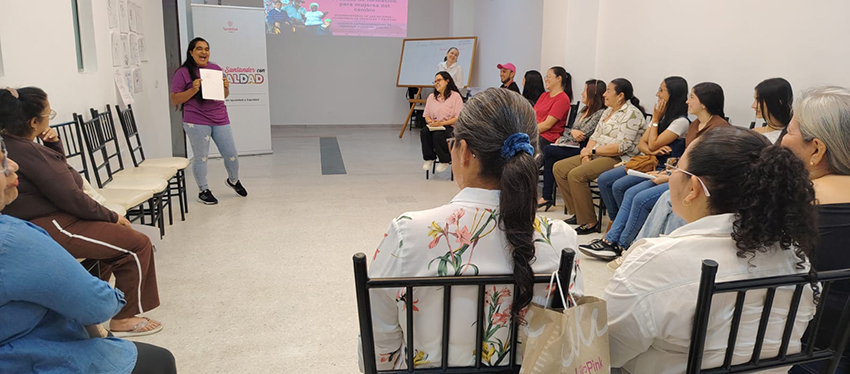
Ocaña (North Santander)
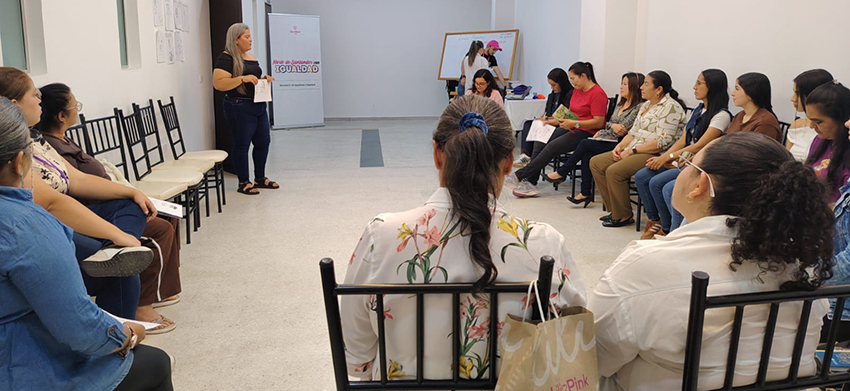
Ocaña (North Santander)
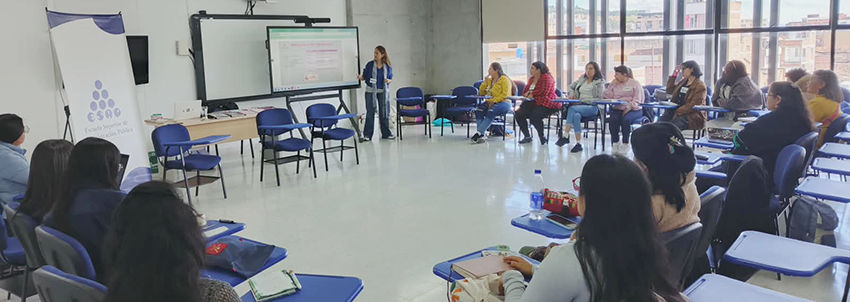
Pasto (Nariño)
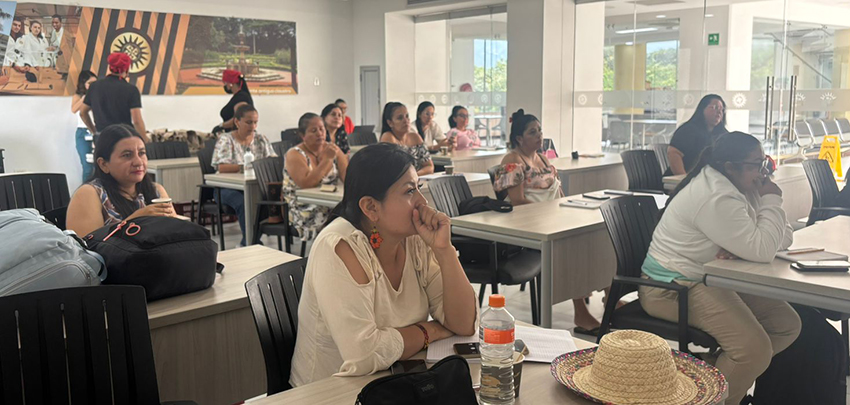
Villavicencio (Meta)
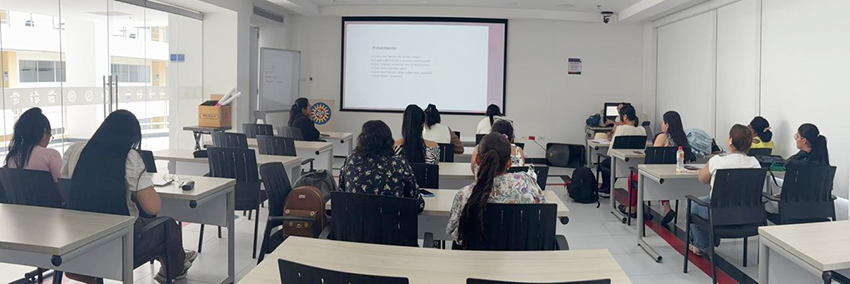
Villavicencio (Meta)
The proposal seeks to strengthen individual and collective capacities to promote political, organizational and communicative processes from an intersectional feminist, anti-racist, decolonial and community approach, promoting tools for social and territorial influence.
The training process will take place over five intensive weekends between May and June 2026, with face-to-face sessions of collective work, critical reflection and production of community tools.
The methodology is based on feminist popular education and promotes participatory dynamics oriented towards dialogue among different forms of knowledge and the collective construction of situated knowledge. Activities include workshops, social mapping, case studies, pedagogical laboratories, and popular communication exercises.
The training process is accompanied by a specially designed educational booklet to support the training journey and enable the replication of content and tools in organizations and communities.
The initiative is driven by the Vice Ministry of Women of the Ministry of Equality and Equity of Colombia, headed by Deputy Minister Tamara Ospina.
Among the proposals currently under development are:
• He "Advanced Diploma in Guarantees of Women's Rights for a Life Free from Violence with Emphasis on Sexual and Reproductive Rights”, in virtual format, with more than 1.000 women participating.
• He "Advanced Diploma in Women's Organizational Strengthening with Emphasis on Project Formulation and Popular Communication”, also in virtual format, with more than 1.000 women participating.
• He "Advanced Diploma in Prevention and Care of Gender-Based Violence”, aimed at more than 2.000 members of the public force, focused on strengthening institutional capacities for the prevention and care of gender-based violence from a human rights approach.
The initiative is supported by the Higher School of Public Administration (ESAP, Pasto headquarters), the Uniclaretiana (Quibdó headquarters), the University Santo Tomas (Villavicencio headquarters) and territorial teams linked to the Vice Ministry of Women of Colombia.

