
Cross-border mobility and Covid-19 on the Mexico-United States border
EThe College of the Northern Border
The main objective of the reflection document “LCross-border mobility and Covid-19: the cities of Tijuana and Ciudad Juárez on the border between Mexico and the United States"" is to offer a specific analysis of how the cross-border context, the mobility of people and goods in the border cities of Tijuana and Ciudad Juárez has influenced the high prevalence of COVID-19 in these regions.
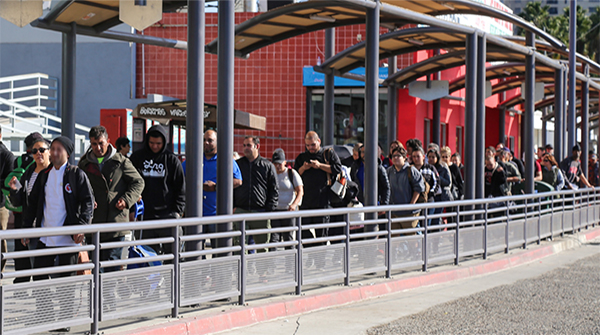
These border cities participate in various socio-economic circuits that give meaning to the great mobility of people and goods in the areas mentioned, so a health emergency such as the one experienced at the national level and in particular in these border cities cannot be detached from these dynamics, even though it is managed differently by their central and local governments, according to their own resources.
With the goal of reducing the health risk of COVID-19 spreading in the border areas between Mexico and the United States, on March 20, 2020, the United States government, through the Department of Homeland Security (DHS), with the agreement of the Mexican government, decided to temporarily close its borders with Mexico to Mexican residents with tourist visas whose crossings were deemed non-essential. Instead, only essential travel was permitted (medical support personnel, pandemic response support, medical emergencies, and attendance at school activities). Crossings for work in the United States and for cross-border trade related to supply chains, primarily for food, gasoline, medicine, and other critical materials for both sides of the border, remained unaffected.
If you would like to receive more information about CLACSO's training programs:
[widget id=”custom_html-57″]
to our email lists.

