
Social sciences and young people
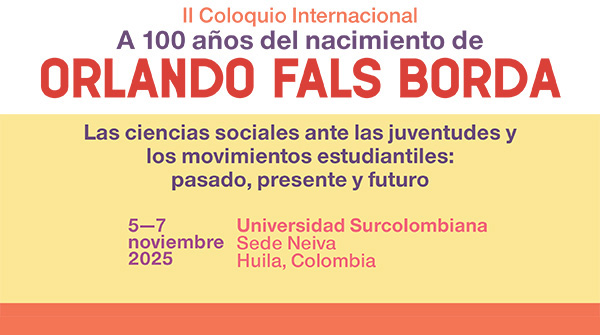
The Network of Studies on University Conflicts and Student Movements organizes the II International Colloquium on the 100th anniversary of the birth of Orlando Fals Borda “ The social sciences before youth and student movements: past, present and future ” of the Network of Studies on University Conflicts and Student Movements, from November 5 to 7 at the Surcolombiana University, Neiva Campus, Huila, Colombia.
CLACSO's participation in the Colloquium
Wednesday, November 5 – 9:00 AM Colombia time
Opening of the International Colloquium
Claudia Andrea Ramírez PerdomoVice-Rector of Research and Social Outreach at the Universidad Surcolombiana
Fredy William Andrade PérezDean of the Faculty of Education at the Universidad Surcolombiana
Pablo VommaroExecutive Director, Latin American Council of Social Sciences
Nicolás Dip, Center for Economic Research and Teaching
David Felipe Bernal Romero, Research Center for Excellence in Educational Quality, Surcolombiana University
Wednesday November 5
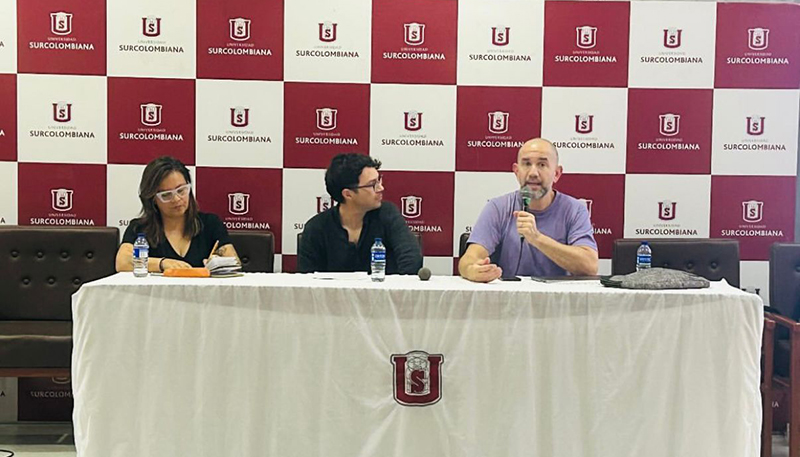
Conversation: Building bridges between the fields of youth and student movement studies in Latin America
Pablo VommaroLatin American Council of Social Sciences
Vaclav Masek SánchezAutonomous University of Barcelona
Ginna PiragautaSouth Colombian University
Thursday, November 6 – 11:00
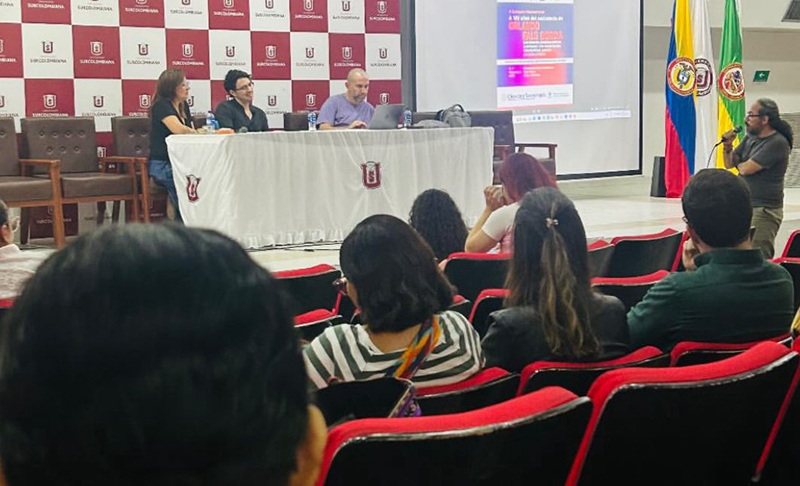
Presentation of books and dossiers related to Fals Borda and contemporary student activism
-Book Orlando Fals Borda. Education, science and culture (key texts), compiled by Nicolás Armando Herrera Farfán (Editorial Laboratorio Educativo, 2025)
-Dossier “Student activism in Latin America and the Caribbean: protests and experiences in the 21st century” from the Journal of Latin American Psychosocial Studies of the Universidad Surcolombiana, coordinated by Nicolás Dip, David Felipe Bernal Romero y Camille Gapenne
Moderated by: Pablo VommaroCLACSO
Friday, November 7, 11:30
Discussion about the report "Youth: An Unfinished Task" by the Friedrich-EbertStiftung (FES)
Karla Paulina Amozurrutia NavaNational Autonomous University of Mexico
Pablo VommaroLatin American Council of Social Sciences
Oscar Aguilera RuizUniversity of Chile
Fernanda Espinosa MorenoNational Pedagogical University of Colombia
Moderated by: Nicolás Dip (Center for Economic Research and Teaching)
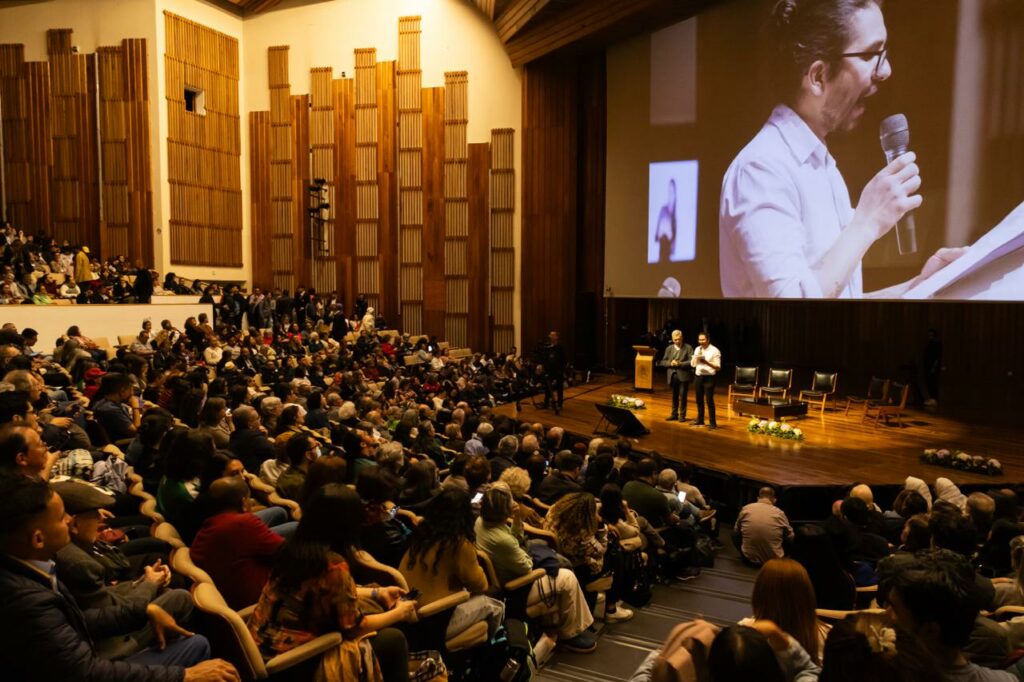
One hundred years of Orlando Fals Borda at #CLACSO2025
The RECUME is an academic space that aims to generate academic debates and encourage the constant exchange of people from diverse latitudes who research youth and student movements in Latin America and the Caribbean, as well as in other continents and geographies.
On this occasion, the Universidad Surcolombiana seeks to give continuity to the areas of dialogue that were promoted at the Universidad del Norte de Colombia in 2023 and at the Centro de Investigación y Docencia Económicas de México in 2024, with the intention of deepening the academic and collaborative work around youth and student movements.
Currently, several countries in Latin America and the Caribbean, as well as in other continents, are experiencing shifts in their governments and political regimes, which sometimes involve losses of political, social, and cultural rights and democratic practices. Young people are not immune to this situation and hold diverse political, social, and cultural positions in response. In this context, studies conducted within the social sciences on youth and student movements require further discussion and analysis, paying attention to the past, present, and emerging trends in the current context.
For these reasons, the objective of the Second International Colloquium of RECUME is to promote the exchange of research and studies on youth and student movements, while remaining mindful of the challenges the social sciences face in understanding the historical and current experiences of these actors at the local, national, Latin American, and international levels. The centenary of the birth of Orlando Fals Borda, one of the principal founders of sociology in Colombia and a driving force behind Latin American and Caribbean social sciences, provides a particularly opportune moment to revisit and advance these discussions.

