
Universal Social Policy in overcoming inequality
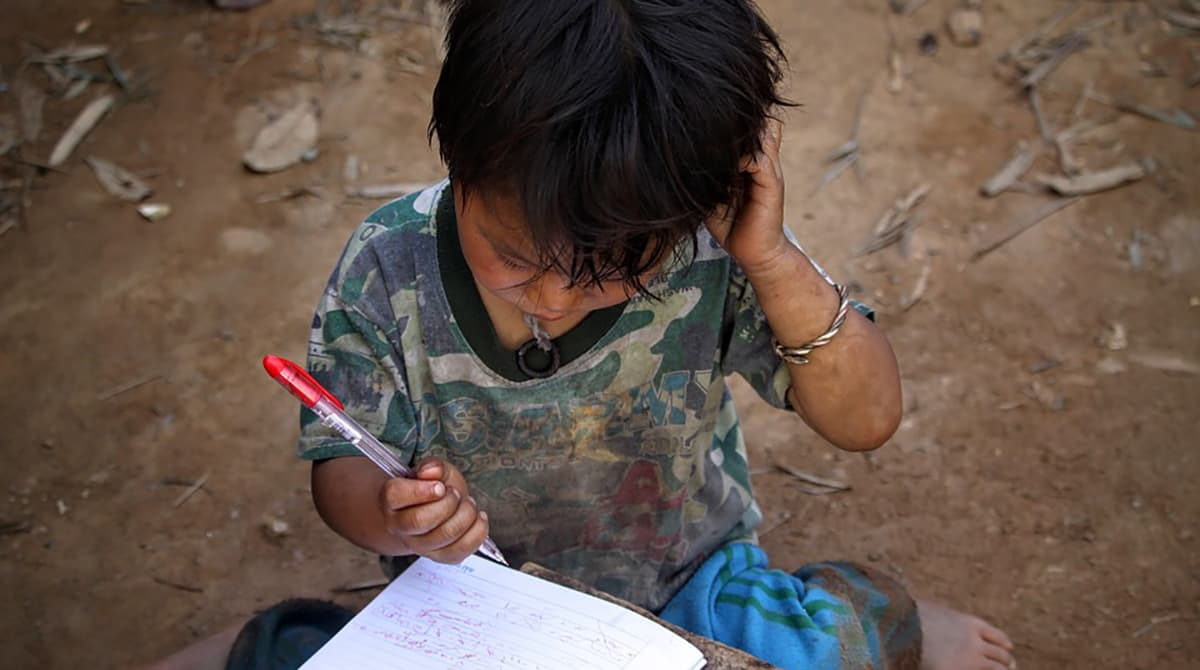
Seminar 1911
Chair: CLACSO
Coordination: Laura Tavares (FLACSO, Brazil)
Home: 06 / 05 / 2019 | Registration: 04/02/2019 al 27/04/2019
Workload: 12 weeks – 90 hours.
Payment methods
If you have a link with a CLACSO Associated Center:
- Paying in one payment: USD 95 (includes issuance and shipping costs of the digital certificate).
If you do NOT have a link with a CLACSO Associated Center:
- Paying in one payment BEFORE 16/02/2020: USD 150 (includes issuance and shipping costs of the digital certificate).
- Paying in one payment: USD 190 (includes issuance and shipping costs of the digital certificate).
Course presentation:
Universal social policies were not prominent during the neoliberal period in Latin America. Nor were they a priority for post-neoliberal progressive and populist governments, either in terms of their discourse or the social programs they implemented. Clearly, it is important to respect the differences in the various historical and structural processes in each country, both regarding the consequences of neoliberal adjustment and the prior existence of universal state structures and policies. There were many reasons for this. One of them, and the most prominent, was the urgent need to overcome extreme poverty. This situation led most countries to adopt conditional cash transfer programs—based on defined poverty lines (some even with extensive coverage, as in Brazil, where poverty was widespread). However, the problem of how to transform emergency solutions into structural policies remains a challenge for thinking about the social sphere. In this sense, the discipline seeks to discuss and demonstrate, with evidence, the superiority of Universal Policies in guaranteeing levels of equality (a topic also replaced by that of poverty) in our countries, still marked by situations of extreme inequality, not only in terms of income but also in access to universal and quality public policies, programs and services.
Contents:
- Introduction to Universal Social Policies
- A historical and conceptual debate on Equality and Universality in Public and Social Policy
- Historical and structural determinants of inequality in Latin America
- The consequences of neoliberalism on inequality in Latin America
- The consequences of neoliberalism on social policy in Latin America
- Universal Social Policies in Latin America
- Elements for the debate on a post-neoliberal Social Policy
- The possibilities and challenges for Universal Social Policy in Latin America
FAQ
The basic requirements for taking a seminar are:
- Availability of at least 4 hours per week to dedicate to the seminar course.
- Internet access.
- Reasonable handling of communication and computer tools.
- Language proficiency in the language in which the course will be taught. The official languages are Spanish and Portuguese.
|
|
Discount for one payment until 16/03 |
In one payment after 16/03 |
|
CM Plenos |
$75 |
$150 |
|
CM Associates |
$95 |
$190 |
|
No link |
$95 |
$190 |

