
The pandemic of gender violence
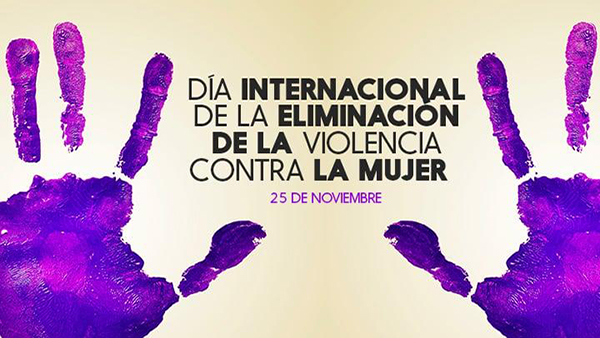
The International Day for the Elimination of Violence against Women, or the International Day for the Elimination of Gender Violence, is commemorated on November 25th to denounce the violence perpetrated against people who are discriminated against because of their gender, and to demand policies for its eradication. The Latin American feminist movement initiated the initiative in 1981 to commemorate the date in 1960 when the three Mirabal sisters were assassinated in the Dominican Republic. Dr. Karina Batthyány, Executive Secretary of the Latin American Council of Social Sciences (CLACSO), shared her thoughts on the matter with Télam.
The Latin American and Caribbean region has faced serious problems due to the Covid-19 pandemic for much of 2020, but this situation should not overshadow another pandemic that has affected us for years: violence against women and girls, which constitutes one of the most serious violations of their human rights. It is worth remembering that as early as 2013, the World Health Organization (WHO) stated that "physical or sexual violence is a public health problem affecting more than a third of all women worldwide."
This violence affects one in three women during their lifetime, and in 2019, 38.000 femicide victims were recorded in our region. These figures are alarming, and we know that the pandemic is increasing them even further, according to preliminary data available for some countries.
Gender-based violence is an extreme manifestation of gender-related inequality, imposed on women and girls because of their subordinate position within society, and its consequences are devastating and prolonged, affecting the physical health and mental well-being of women and girls.
Violence against women and girls knows no geographical or cultural boundaries; it is a globalized form of violence, affecting all women and girls regardless of class, race, ethnicity, or group affiliation. It manifests in various dimensions: physical, sexual, emotional, economic, and institutional, among others. There is no specific profile of victims of violence; the primary risk factor is being a woman.
As every year since November 25th was established as the "Day of the Struggle for Non-Violence Against Women" at the First Latin American and Caribbean Feminist Meeting held in Colombia in 1981, in homage to the Mirabal sisters, women's voices will once again rise up in 2020 against violence and discrimination. Breaking the silence is the first step in transforming the culture of gender-based violence. It is necessary to work in the educational sphere, educating girls and boys as equals, as independent individuals with critical thinking skills, capable of making their own decisions, and free from sexist stereotypes that normalize violence and discrimination. It is also necessary to continue working, discussing, and developing policies and concrete actions to ensure women's right to a life free from violence.
By Dr. Karina Batthyány, Executive Secretary of the Latin American Council of Social Sciences (Clacso).
If you would like to receive more information about CLACSO's training programs:
[widget id=”custom_html-57″]
to our email lists.

