
“Inequality has become one of the great systemic challenges of our time.”
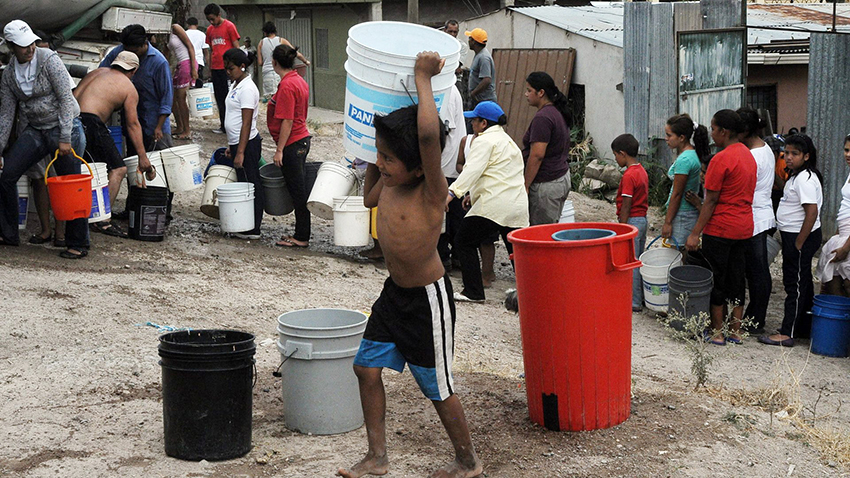
Interview with CLACSO TV of Adriana Erthal Abdenur , Brazilian social scientist, member of the Founding Committee promoting the International Panel on Inequality (IPI) , a global scientific and political initiative aimed at providing governments with rigorous information and strategies to combat the growing disparity of income and wealth in the world.
Interviewed by Gustavo Lema
Global inequality has reached a level that threatens development, social cohesion, and the quality of our democracies. Addressing this challenge requires a stronger, more sustained, and evidence-based international response.
To achieve this, it is essential to have an international academic community capable of rigorously gathering and evaluating existing knowledge, generating more complete and comparable information, monitoring the different dimensions of inequality, better understanding its causes and consequences, and analyzing which policies can effectively contribute to reducing it.
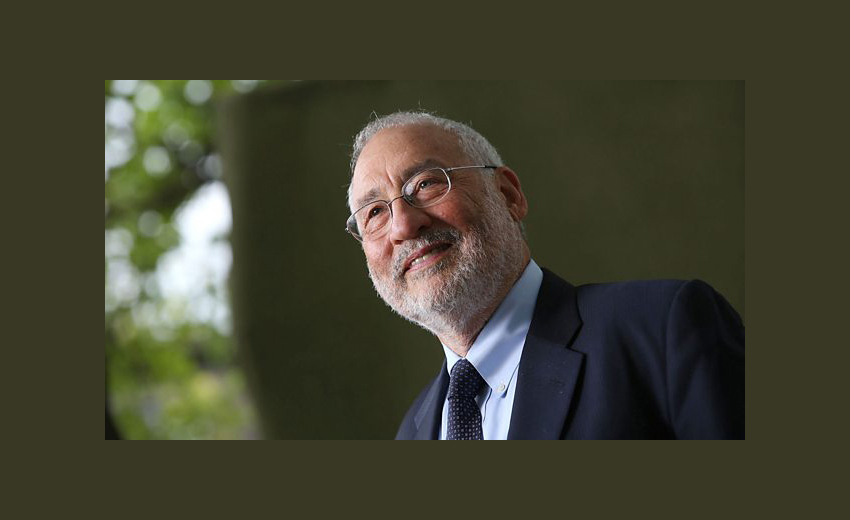
For this reason, the Founding Committee chaired by Professor Joseph Stiglitz is promoting the creation of the International Panel on Inequality (IPI) : an independent scientific body, linked to the multilateral system, that brings together specialists from different disciplines and regions in charge of designing and launching an initiative conceived as an “IPCC of inequality” (in the image of the Intergovernmental Panel on Climate Change) to systematically develop this work and put the best available evidence at the service of public policies.
For this initiative to move forward, it is essential to have the support of the United Nations member states. And to achieve this, it is also necessary for the academic community to make its voice heard.
Academia facing the inequality crisis : Add your voice
The International Panel on Inequality is modeled after the United Nations Intergovernmental Panel on Climate Change (IPCC). Its creation was the central recommendation of a G20 report presented in late 2025, coordinated by a committee of experts chaired by Nobel laureate Joseph Stiglitz . It has the support of the UN and countries such as Spain, Brazil, Norway, and South Africa, as well as the backing of hundreds of international economists and researchers.
Its main objectives are:
-To objectively monitor gaps in income, wealth, employment, health, education and access to justice.
-Provide rigorous and non-partisan data to help governments design public policies against inequality.
-Identify tipping points where extreme concentration of resources threatens democratic stability.
International Panel on Inequality

