First Meeting of the Brazilian Network for Research in Care
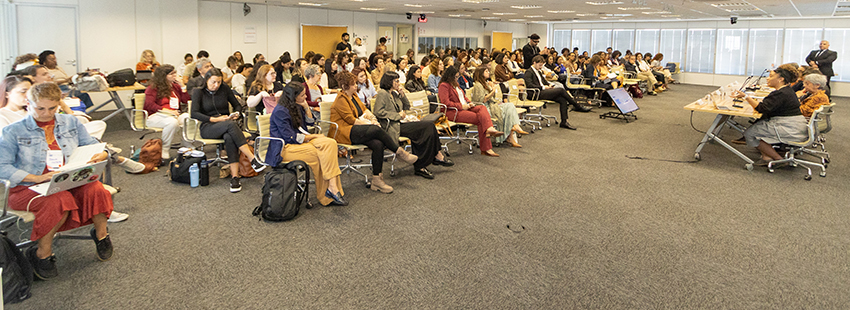
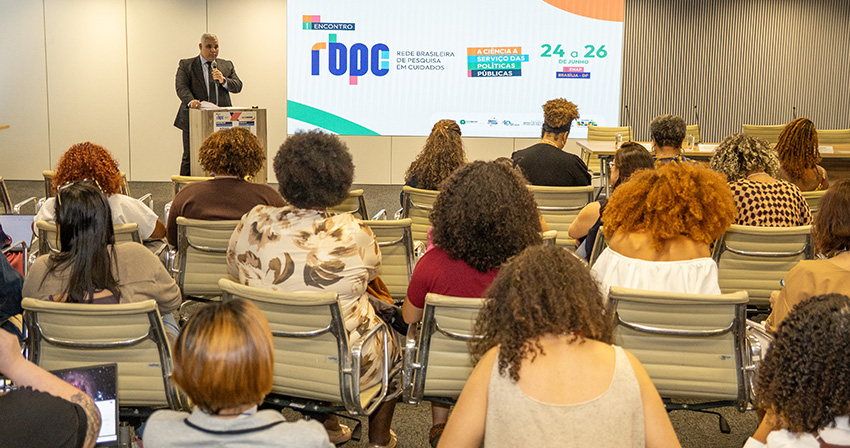
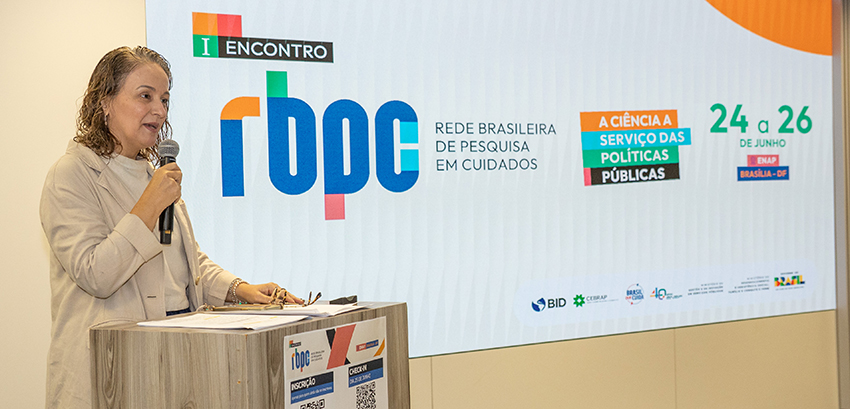
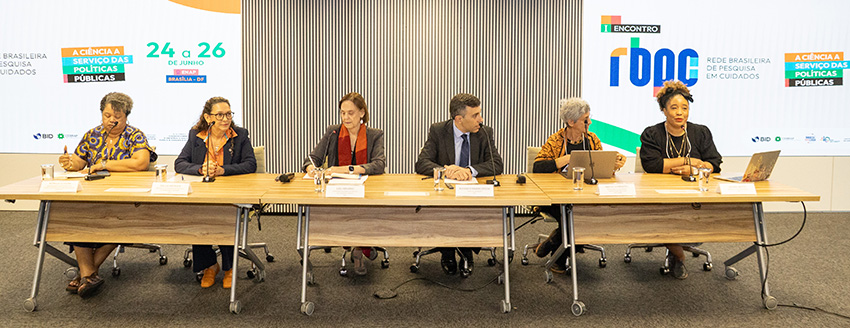
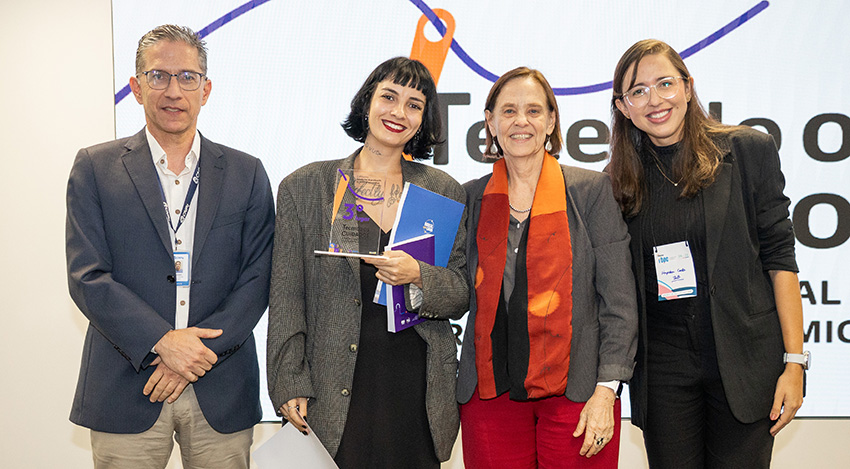
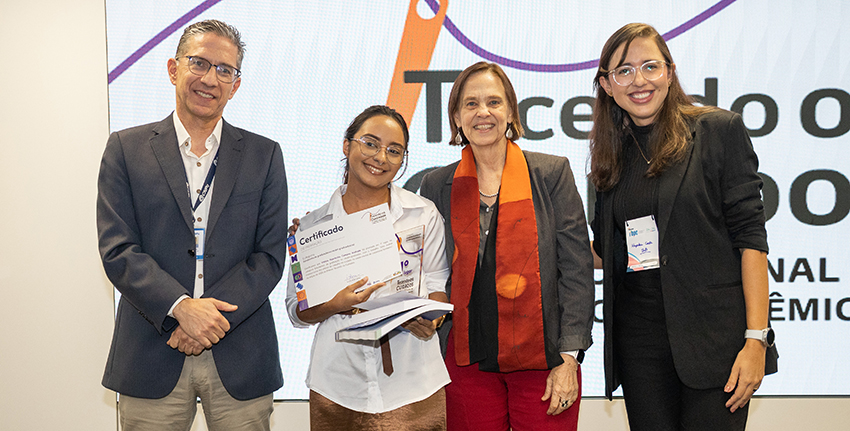
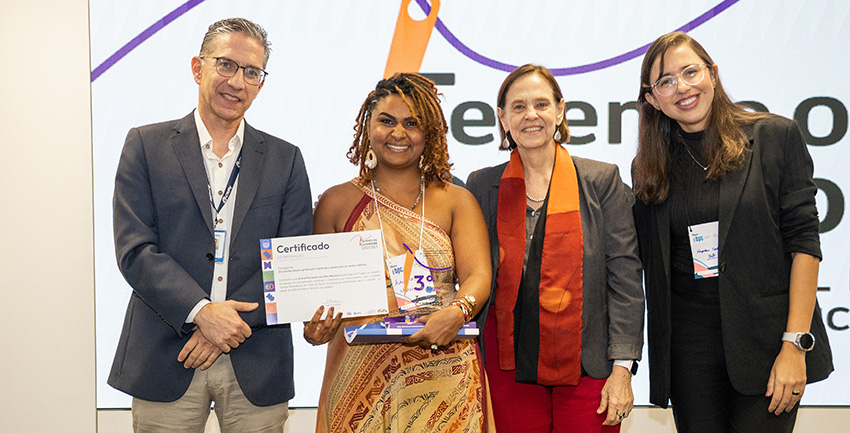
Between June 24 and 26, 2026, the “ First Meeting of the Brazilian Network for Research in Care ” was held in Brasilia, promoted by the Ministry of Development and Social Assistance, Family and Combat to Hunger (MDS) of Brazil, through its National Secretariat of Care and Family Policy (SNCF) and which had the alliance of the National School of Public Administration (Enap), the Brazilian Center for Analysis and Planning (Cebrap) and the support of the Inter-American Development Bank (IDB).
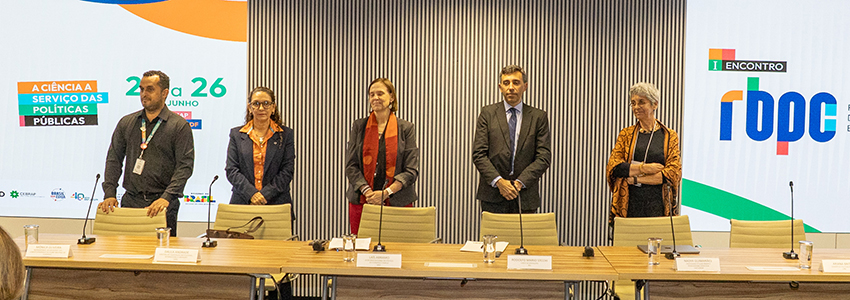
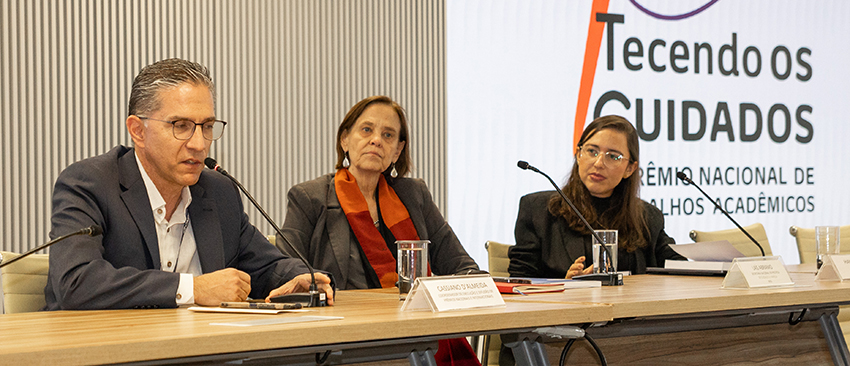
In this context, the Latin American Council of Social Sciences played a fundamental strategic role, consolidating itself as one of the main bridges of regional and academic articulation, with the presence representing the Network of Karina Batthyány , Full Professor in the Department of Sociology of the Faculty of Social Sciences of the University of the Republic, UdelaR of Uruguay, and former Executive Director of CLACSO, who together with Nadya Araujo Guimarães of the Department of Sociology of the University of Sao Paulo and associate researcher of the Brazilian Center for Analysis and Planning, Cebrap, analyze the meeting in the following podcast.
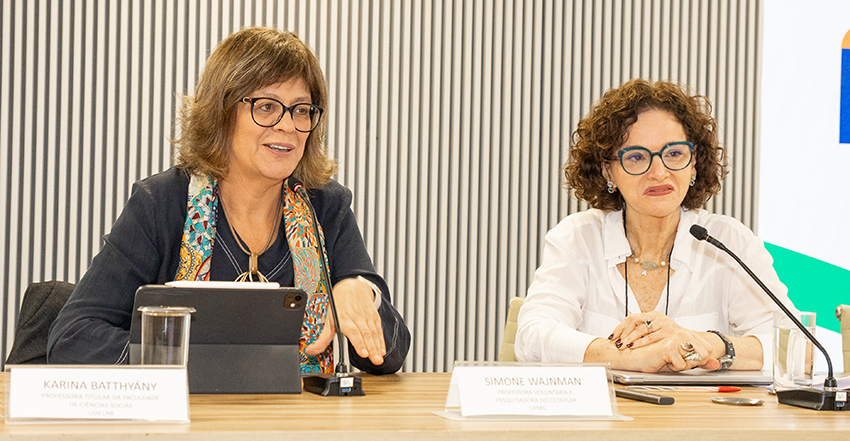
Among other concepts, Nadya Araujo Guimarães understands that “the mere existence of a national research network is a very important achievement for the field of care in Brazil,” highlighting the importance of “this national network involving not only university researchers, but also the research and production of results that takes place in NGOs, government research agencies, third-sector institutions, and organized social movements; that is, it is the large-scale production of knowledge on the different dimensions of the issue of care that we are talking about.”
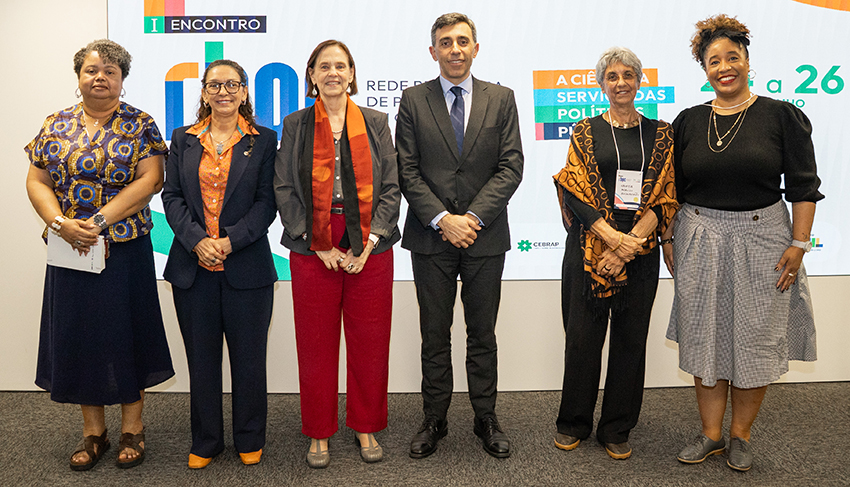
He added that “knowledge is a shared product, a product of multiple actors, and horizontality and mutual respect are crucial.” He concluded that “this will be the challenge in the coming years, in which we want the network to strengthen, become institutionalized, and achieve autonomy.”
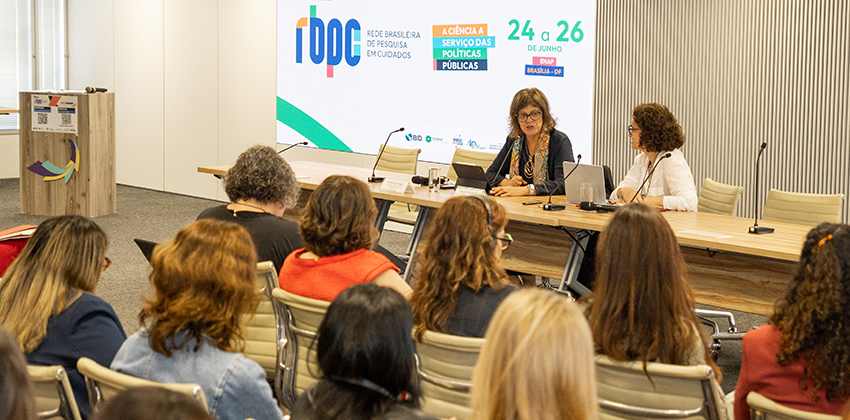
In turn, Karina Batthyány highlighted “the themes addressed during this meeting, which consistently refer to the necessary collaboration between academic actors, those working in public policy, and social organizations and movements to consolidate the care work agenda and to promote concrete measures and policies that transform the unjust distribution of care in Brazil. This issue, as we have always maintained, is absolutely key because we know that the collaboration of these three actors is fundamental for advancing the changes we want to achieve. And this has been one of the most significant achievements in Latin America and the Caribbean: first, naming what was nameless, demonstrating that without the unpaid work of millions of women, the economy could not function for a single day, and that the so-called productive economy rests precisely on an invisible reproductive economy that sustains it. And this act of naming, first and foremost, has had very important consequences, because naming, making visible, is a first step toward transformation. The transformation of this unjust reality.”
Photos: Henrique Barrios