
Towards the recovery of a memory of Afro-Caribbean resistance in the Dominican Republic
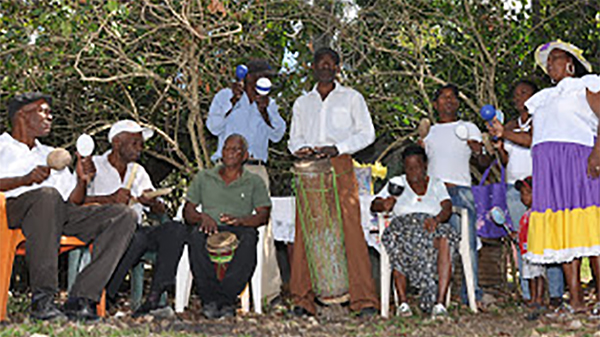

Stories from grandmothers, mothers and daughters of the Los Mercedes community
Sex/gender relationships, and the meaning of being a woman in non-white and impoverished contexts, demand an analysis where gender norms are not interpreted according to universal guidelines, but rather in harmony with local history and social, political, and economic structures. In the case of the Caribbean, the Dominican Republic, and the community of Los Mercedes, it is important to remember that these territories were former colonies organized around a plantation economy that functioned with a racial hierarchy, where labor was performed under exploitative conditions by enslaved Africans and profits were received exclusively by the Spanish landowners. Therefore, the sex/gender order is inextricably linked to the racial order, but it is also connected to other social experiences such as marronage, which entails another form of life reproduction.
Trying to capture this historical dynamic, Yuderkys Espinosa Miñoso y Celenis Rodríguez Moreno They worked with categories such as modern/colonial gender system, black woman, creolity and opacity, seeking to shape that mosaic that is the relationship between men and women in the Caribbean.
See also:
If you would like to receive more information about CLACSO's training programs:
[widget id=”custom_html-57″]
to our email lists.

