
Serious impacts on the right to health in the Dominican Republic
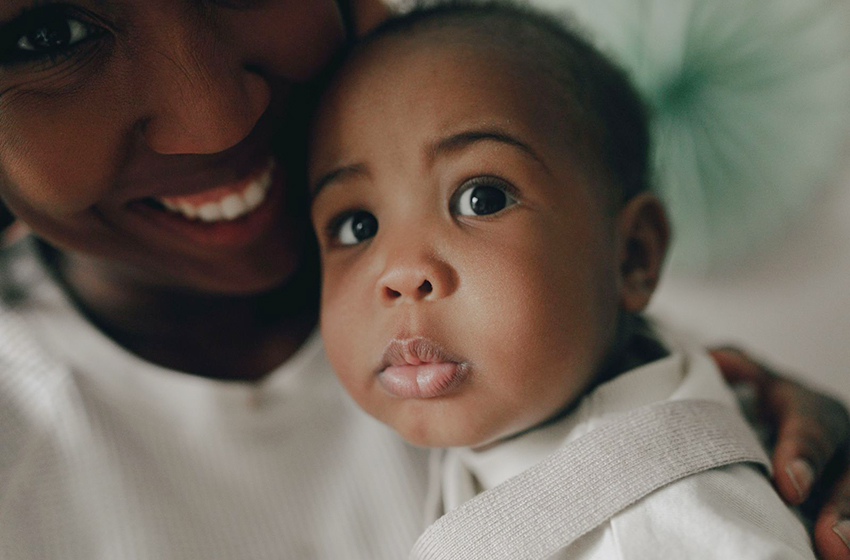
In the Dominican Republic , the implementation of the migration protocol in hospitals is having serious impacts on the right to health, particularly among Haitian migrants, pregnant women, newborns, children, and other vulnerable groups . Various reports have documented that fear of detention or deportation is leading many women to avoid health centers, even during pregnancy, childbirth, or the postpartum period. This situation is occurring within the context of a profound humanitarian crisis in Haiti, marked by armed violence, forced displacement, the collapse of basic services, and a severe economic and security emergency, which increases the risks faced by deportees.
The consequences are no longer abstract. There have been reports of births outside the healthcare system, interruptions in prenatal care, children without medical follow-up or vaccinations, and extreme cases of preventable deaths of mothers and newborns linked to fear of going to hospitals. This situation also creates opportunities for extortion, arbitrary charges, and abuses against people who need urgent medical attention during some of the most vulnerable moments of their lives.
Furthermore, the protocol exacerbates racial discrimination and profiling. Its effects are not limited to the Haitian migrant population; they also affect Black Dominicans, Dominicans of Haitian descent, and undocumented individuals , who may be treated as foreigners based on their skin color, surname, accent, or place of residence. In response, civil society organizations are promoting a petition addressed to President Luis Abinader requesting the withdrawal of the immigration protocol in hospitals and guaranteeing that healthcare facilities remain spaces of care, protection, and life.
Sign the petition to ask the Dominican Government
that withdraw the Migration Protocol in Hospitals
A delivery room is not the place to develop immigration policy.
Hospitals should be spaces of care, protection and life, not of fear and persecution.

