
Preventing the deepening of inequalities in the face of the COVID-19 crisis
Oxfam's appeal to Latin American governments1
The most tragic consequences of COVID-19 are the loss of life, but the effects of the economic crisis resulting from the pandemic should not be minimized.
Oxfam presents an information note with recommendations for the region's governments to take immediate action to prevent the increase in extreme poverty and inequality.
Oxfam is releasing a press release today entitled “COVID-19 does not discriminate, inequalities do.",2 in which it makes a series of recommendations to the governments of Latin America and the Caribbean to strengthen health systems, curb the coronavirus pandemic and minimize its socioeconomic effects.
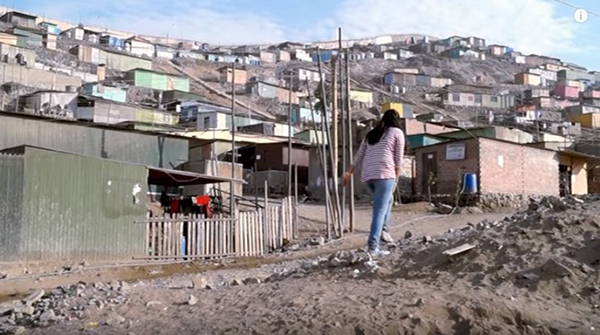
Washing hands with soap and water or avoiding physical contact is very difficult for the 21% of Latin America's urban population who live in slums, informal settlements, or precarious housing, where overcrowding and a lack of basic services create an environment particularly conducive to the spread of the disease. Furthermore, adhering to a quarantine without financial assistance is nearly impossible for the 140 million Latin Americans who work in the informal sector, without social benefits or guaranteed income. In this regard, the Economic Commission for Latin America and the Caribbean (ECLAC) has warned that the COVID-19 pandemic could push 35 million more people into poverty in the region, including 22 million in extreme poverty.
“The enormous increase in poverty that this pandemic would cause could be more lethal than the virus itself. In addition to investing more in health, governments must guarantee the rights of all citizens, particularly the most vulnerable and those who depend on the informal economy,” says Asier Hernando, Oxfam's Director of Programs in Latin America and the Caribbean.
“This is not just a public health issue, but also a matter of gender inequality. Most Latin American women work in the informal sector and perform, without pay, the care work on which we now depend more than ever. Furthermore, now that they are forced to stay home, they are at greater risk of experiencing violence.”
Oxfam calls on the governments of Latin America and the Caribbean to take the following measures to contain the spread of the virus and prevent an increase in extreme poverty and inequality:
Strengthen public health systems immediately. Countries in the region invest an average of 2,2% of their gross domestic product (GDP) in public health. The minimum recommended by the World Health Organization is 4%.
Guarantee minimum incomes, protect employment, and stimulate demand and economic growth with various incentives, including strengthening existing conditional cash transfers for the most vulnerable populations.
Addressing the specific needs and realities of women. Being quarantined for weeks can increase the risks of violence against women and girls.
Implementing fiscal measures to secure the necessary resources to address the pandemic and its socioeconomic consequences is crucial. Increasing revenue from income and property taxes, and reducing the tax system's reliance on consumption taxes, will help boost revenue and spur reforms that have been postponed for decades.
Provide a minimum level of social protection to everyone without exception, including migrants, refugees, displaced persons, and asylum seekers. All people, including those in situations of human mobility, must be taken into account in COVID-19 preparedness and response efforts.
Asier Hernando adds: “The coronavirus has starkly exposed the old system of inequality that governs our world. A system that has ultimately failed. Now, the governments of Latin America and the Caribbean have a unique opportunity to transform our societies and design public policies that guarantee the well-being of the entire population, and not just serve the privilege of a few.”
1-Oxfam (Oxford Committee for Famine Relief). Note published on 31-3-2020 on oxam.org
See "Important Notes" at the bottom of the page
2- COVID-19 does not discriminate, inequalities do.
[+] Thinking about the pandemic


