
The Argentine Forensic Anthropology Team facing the pandemic
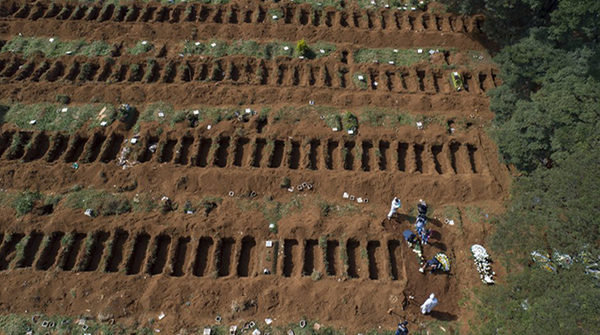
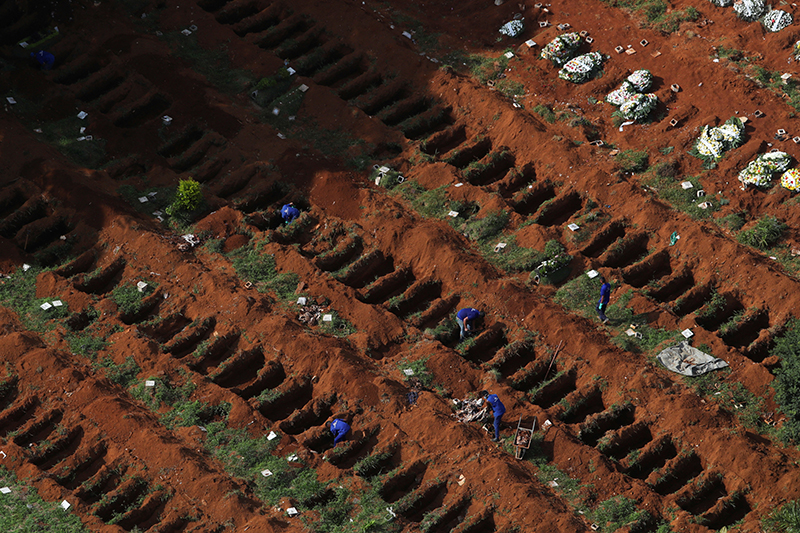
In the midst of the COVID-19 pandemic, the Argentine Forensic Anthropology Team contributes its experience of more than 35 years in the recognition of remains of victims of violent conflicts when recommending a better treatment of fatal victims of the coronavirus and the care of their relatives.
The EAAF expressed concern upon observing that, in this emergency, many countries are opting for mass graves and burying unidentified bodies. Luis Fondebrider, the Team's executive director, stated that “in cases of mass disasters—and this is a constant, massive disaster—there needs to be someone within the government who thinks rationally not only about health issues but also about the dignity and respect due to the dead and their families.”
The contributions of the EAAF in the pandemic crisis reinforce the importance of its candidacy for the Nobel Peace Prize, which was jointly launched by CLACSO and the National University of Quilmes and which, to date, has gathered more than 8.000 endorsements.
To discuss the nomination and its importance as recognition of the Team's work and in honor of the victims and their families, two of its historical figures, Patricia Bernardi and Juan Nóbile, spoke to CLACSO Radio.
To contribute its experience to the current coronavirus crisis, the EAAF has created a digital library that brings together all internationally available information on the handling and management of deceased persons in relation to the coronavirus, promotes the right to dignified and respectful treatment for families and the deceased, and shares safe guidelines for health, forensic, and funeral staff.
COVID-19 – GLOBAL LIBRARY OF PROTOCOLS FOR BODY HANDLING
In the presentation of the Global Library, the EAAF details that its project tends "To gather and disseminate information compiled and available from various parts of the world on the handling and management of human remains related to COVID-19. The death of a person from COVID-19, given the possibilities of contagion that this virus presents or may present, affects different areas of the State and individuals involved in the process: from nurses and doctors in initial care, to funeral homes, ambulances, forensic personnel, and gravediggers in cemeteries. But above all, it impacts the family and friends of the deceased."
While the greatest efforts are focused on caring for the living, those who have died from COVID-19, and their families, have the right to dignified and respectful treatment throughout the handling of their bodies.
The variety of responses from States, with local, national and international protocols, with areas that are still unclear, and the variety of cultural and religious practices with the treatment of the dead, make it necessary that the information available so far be concentrated on a website available to anyone who is interested.
States bear the ultimate responsibility for implementing protocols, ensuring compliance, and providing all their operators with the appropriate infrastructure. But the protocols gathered here are of interest to everyone.”
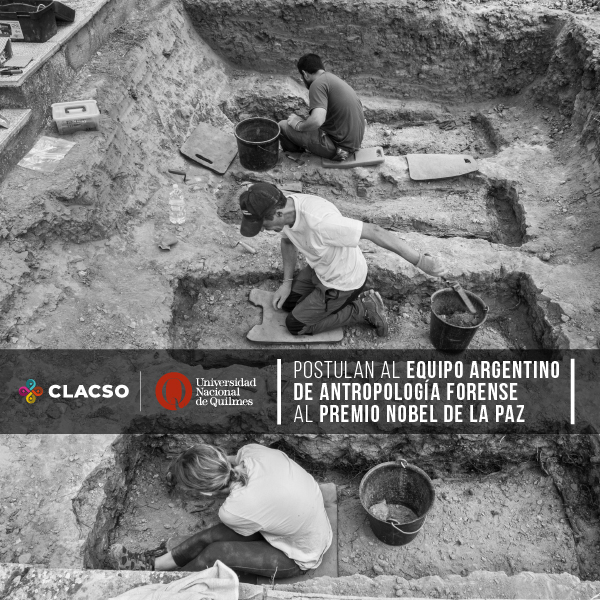
See: Argentine Forensic Anthropology Team Nominated for Nobel Peace Prize
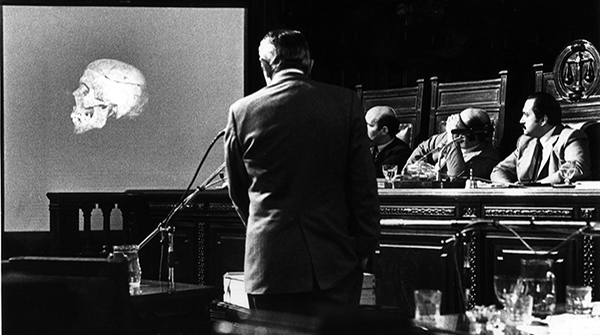
Listen to the Podcast: EAAF, Science for the Truth
If you would like to receive more information about CLACSO's training programs:
[widget id=”custom_html-57″]
to our email lists.

