
The Amphictyonic Congress of Panama
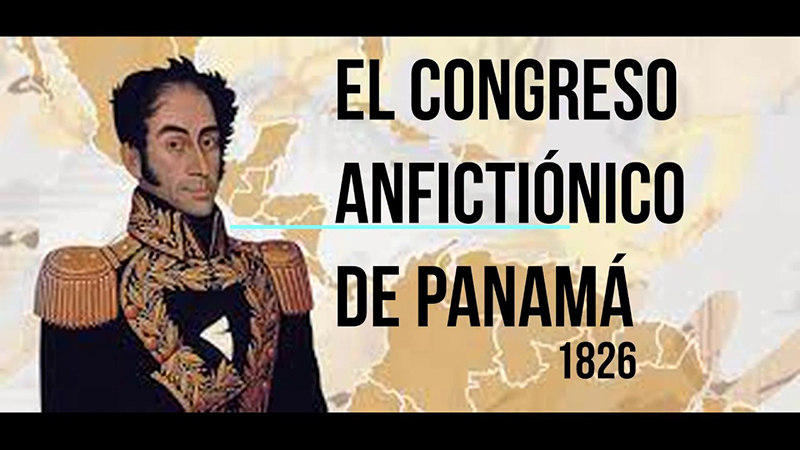
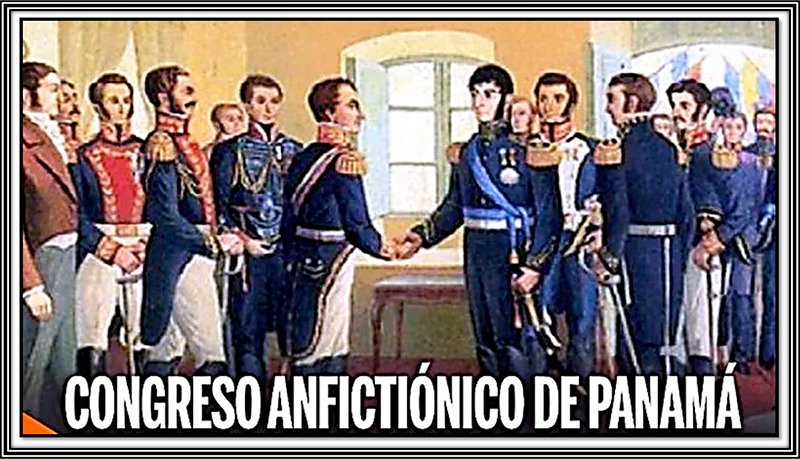
The Amphictyonic Congress was a diplomatic assembly held in 1826 in Panama City, convened by Simón Bolívar with the aim of creating a confederation of Hispanic American republics.
The idea was that this political and military union would serve to defend the sovereignty of the new countries, promote cooperation, and consolidate independence against potential external threats. However, the congress failed to achieve its main objectives due to internal rivalries, disagreements among delegates, and a lack of support from some key nations. Although its results were limited, it is considered an important precursor to Pan-Americanism.
What lessons can we learn for current integration efforts on the eve of its bicentennial? Sergio Guerra Vilavoy from the Faculty of History at the University of Havana, Cuba, and Loreta Tellería Escobar from the JAINA Studies Community of Bolivia share their opinions.
"The Amphictyonic Congress as a historical foundation and root of regional integration"
Sergio Guerra Vilavoy – Faculty of History, University of Havana, Cuba. Author of the book “Strengthening Latin American and Caribbean Identity: The Amphictyonic Congress as a Historical Foundation and Root of Regional Integration”
"The Amphictyonic Congress of Panama was the most ambitious integration project of the 19th century."
Loreta Tellería Escobar – From the JAINA Studies Community of Bolivia. PhD in Historical Sciences, Master's in Latin American Social and Political Studies, and Bachelor's degree in Political Science and Economics. She is a member of the CLACSO Working Groups “Geopolitics, Regional Integration and the World System” and “Studies on the United States”.
What does it mean to dream of Latin American unity yesterday and today?
InfoCLACSO of September 17, 2025

The Amphictyonic Congress of Panama was a topic of debate at the X Latin American and Caribbean Conference of Social Sciences in Bogotá, Colombia, in June 2025, in the panel: “ Towards the bicentenary of the Amphictyonic Congress ”
There, the historical, political and cultural relevance of the first attempt at continental integration, promoted by Simón Bolívar under the ideal of a great confederation of free nations, was emphasized, analyzing the Bolivarian legacy, the political thought and the geopolitical vision of the Liberator.
Furthermore, it allowed for an assessment of the current state of Latin American and Caribbean integration processes, examining why the project failed (internal divisions, national interests, pressure from powerful nations) and what lessons it offers for current processes. It also provided an opportunity to debate whether contemporary integration mechanisms inherit that Bolivarian spirit. The panel addressed the topic from a multidisciplinary perspective: history, geopolitics, diplomacy, and international relations.
Moderated by: Loreta Tellería Escobar, from the JAINA Study Community of Bolivia.
Panelists: Clara Eugenia López Obregón, Senator of Colombia for the Historical Pact; Pablo Monroy, Director General for South America of the Ministry of Foreign Affairs of Mexico; and Sergio Guerra, from the Faculty of History of the University of Havana, Cuba.

