
International Day of the Victims of Enforced Disappearances
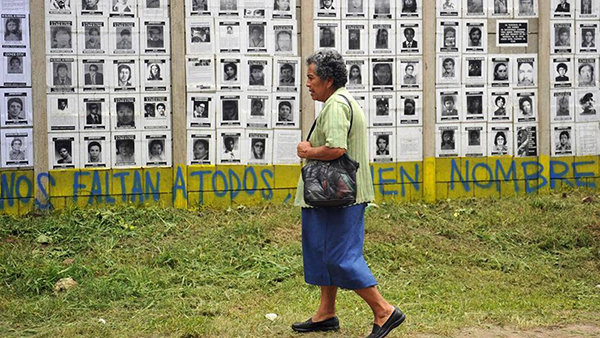

The Latin American Federation of Associations of Relatives of the Detained-Disappeared (FEDEFAM) has designated August 30 as the International Day of the Victims of Enforced Disappearances.
At the session of the United Nations Human Rights Council in Geneva, Switzerland, on June 29, 2006, the draft International Convention for the Protection of All Persons from Enforced Disappearance was approved.

The purpose of this day is to contribute to strengthening global awareness of the persistent practice of enforced disappearances by states, classified as a crime against humanity by the OAS and the UN. Human rights organizations use this day to reinforce awareness of the importance of preserving the rights that the State itself is obligated to guarantee.
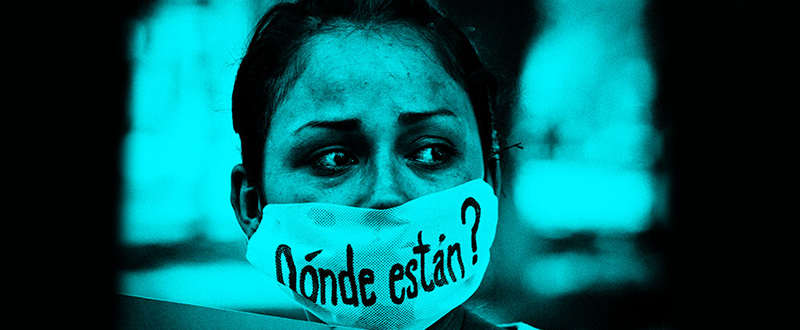
The Latin American Council of Social Sciences supports the denunciations and actions of human rights organizations in our continent, a region marked by this methodology of terror and by the struggles of families and civil society for Never Again and for Memory, Truth and Justice.

In particular, in 2020 CLACSO, together with the National University of Quilmes, promoted the campaign for the Nobel Peace Prize for the Argentine Forensic Anthropology Team (EAAF), for its tireless humanitarian and scientific work on the five continents, whom we honor again on this International Day of the Disappeared.
VER: The Argentine Forensic Anthropology Team is nominated for the Nobel Peace Prize
Recognized for its tireless humanitarian and scientific work, the EAAF has been working diligently for 37 years to restore identity and provide support to the families of victims. Its current executive director, Natalia Federman, states: “The team is known for having intervened in more than 60 countries worldwide in various types of conflicts, including armed conflicts, cases of missing migrants, and femicides.”
Interview with Natalia Ferderman by Ana Cacopardo in #CLACSO2022: “Forensic anthropology in the service of truth"
CLACSO and the National University of Quilmes also published the book “Science for Truth: 35 years of the Argentine Forensic Anthropology Team" and the Documentary “The Traces of Death and Anthropology".
In addition, CLACSO produced several materials available in the CLACSO Library.
-Reflections on Ayotzinapa from a national perspective
-National register of cases of torture and/or ill-treatment: 2014 annual report
If you would like to receive more information about CLACSO's training programs:
[widget id=”custom_html-57″]
to our email lists.

