
Challenges 59 years after the Treaty of Tlatelolco
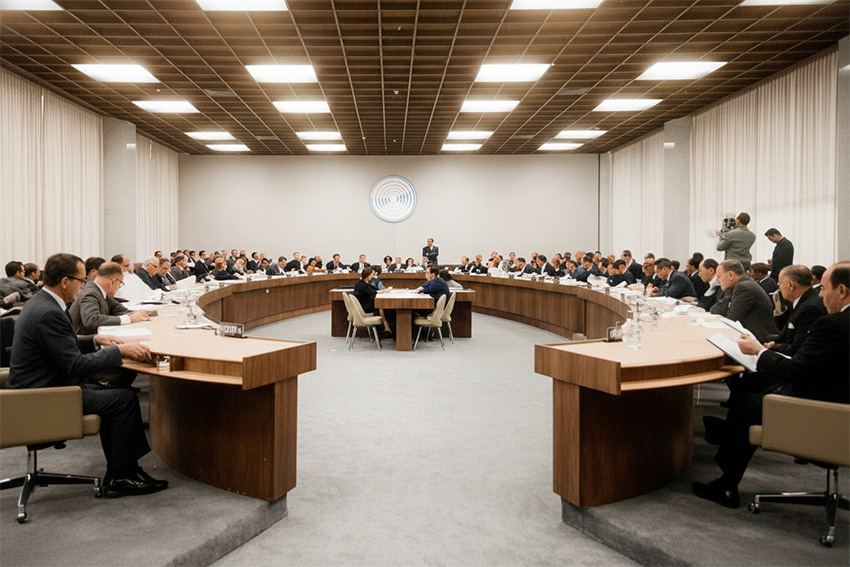
The “Treaty for the Prohibition of Nuclear Weapons in Latin America and the Caribbean”, better known as the “Treaty of Tlatelolco”, signed 59 years ago, on February 14, 1967 in Mexico City, made our region the first densely populated area in the world to declare itself free of nuclear weapons.
It was primarily championed by Mexican diplomat Alfonso García Robles, who received the Nobel Peace Prize in 1982 for this achievement, and its core principles prohibit the testing, use, manufacture, production, or acquisition of nuclear weapons by countries in the region. It also paved the way for Latin America and the Caribbean to be declared a "zone of peace and denuclearization" by CELAC in 2014.
Currently, all 33 countries of Latin America and the Caribbean are party to the Treaty, which is presented as a "model to follow" that inspired the creation of other nuclear-weapon-free zones in the South Pacific, Southeast Asia, Africa, and Central Asia. Today, it functions as a legal and political shield that keeps the region out of the nuclear arms race, allowing resources to be focused (theoretically) on development rather than warheads.
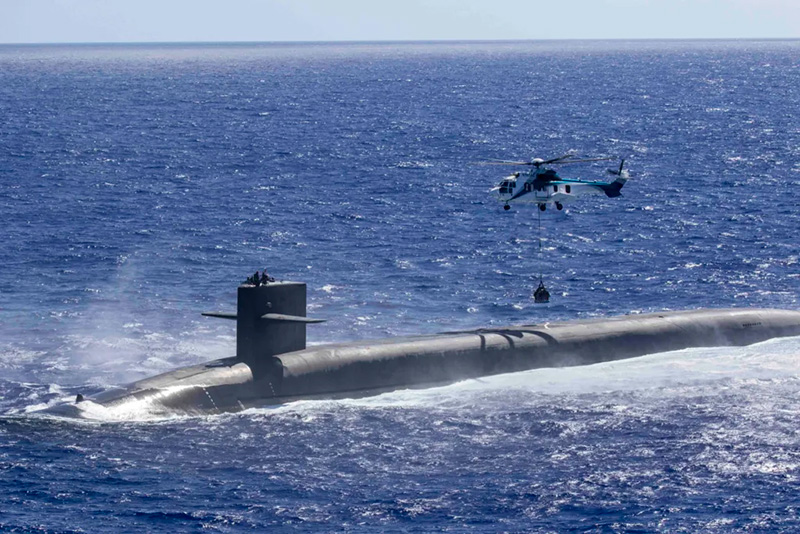
February 14, 1967, was an act of defense of regional sovereignty that is currently being violated by the United States government through threats and the breakdown of the international consensus, making the commemoration of Tlatelolco more relevant and urgent than ever. Indeed, the presence of a U.S. nuclear submarine as part of the fleet deployed by President Donald Trump in the Caribbean, as part of an escalating intervention, violates the commitments of a treaty that prohibits the presence of nuclear weapons in our region and reinforces the need to demand, in every international forum and at every demonstration, the immediate withdrawal of these vessels and full respect for the denuclearization of the region. This is the main challenge 59 years after the signing of the Treaty of Tlatelolco.

