
Report from Brasilia: The Caribbean present at the 2025 Black Women's March
By Maydi Estrada Bayona, co-coordinator of the CLACSO Working Group Bodies, territories, resistances
On November 25thThe International Day for the Elimination of Violence against Women was held in Brasilia The March of Black Women, a space for advocacy, struggle, and collaboration for feminist and anti-racist movements in Latin America and the Caribbean. She was present there. Maydi Estrada Bayona, co-coordinator of the CLACSO Working Group Bodies, territories, resistances, who shares this chronicle about the political and spiritual processes that were strengthened during the days.
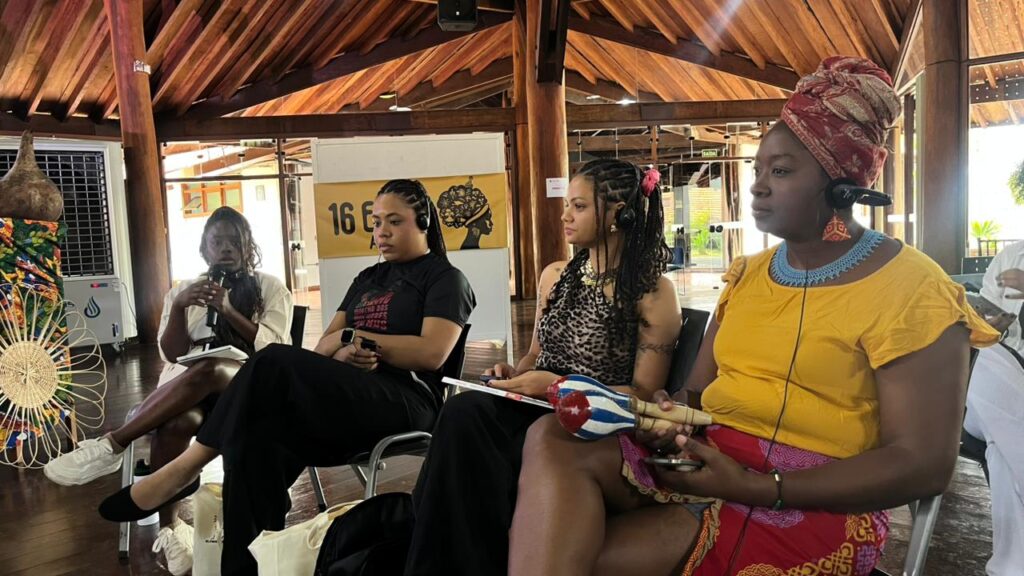
Ancestral fabrics, political articulation and Caribbean horizon
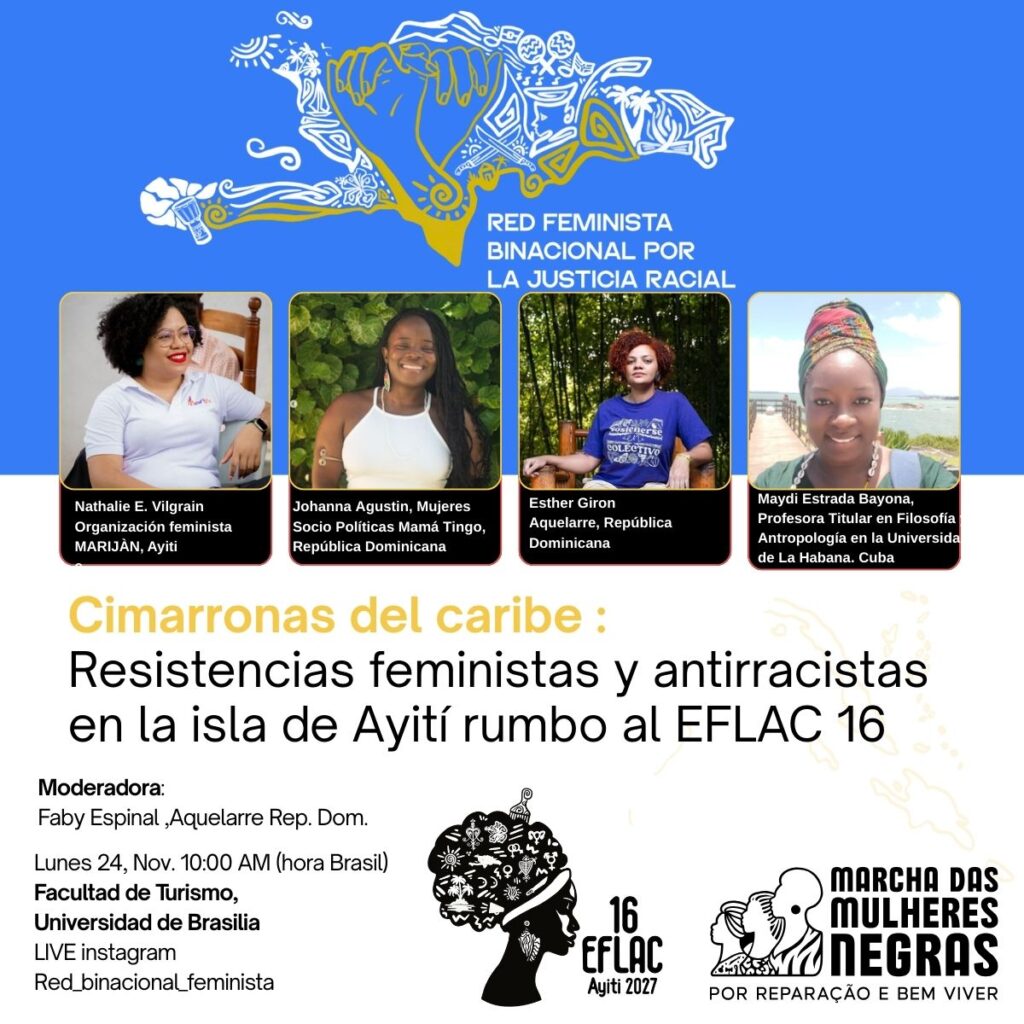
The days leading up to the march were marked by intense collective work, dialogue, and preparatory rituals. In this context, the following was consolidated: Binational Network comprised of women's organizations from Haiti and the Dominican Republic, with the aim of preparing the 17th EFLAC Congress in Haiti, 2027.
Likewise, the Caribbean Bloc for the World March of Black Women, aimed at building a common political agenda that articulates support for EFLAC and makes visible the struggles of the Caribbean in defense of human rights, the autonomy of bodies and social justice.
Amidst the chants, a slogan resonated that set the mood for the days:
“Yes, yes, yes, the Caribbean is already here.”
Reparation, dignity and justice
The discussions and proclamations that accompanied the march denounced historical and current violence:
- the right to land and dignity,
- violence against migrant and racialized women,
- deportations and the criminalization of mobility,
- epistemic justice versus necropolitics,
- the disappearances of people in migratory flows,
- the militarization and warmongering presence of the United States in Caribbean waters,
- and the blockades affecting countries like Haiti y Cuba.
The march also demanded good living, reparación and the right to runaway slaves, as a practice of resistance, freedom and building the future.
Palenques, ancestry and political healing
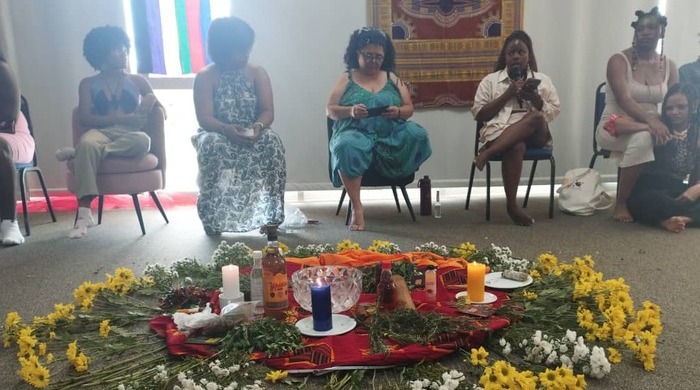
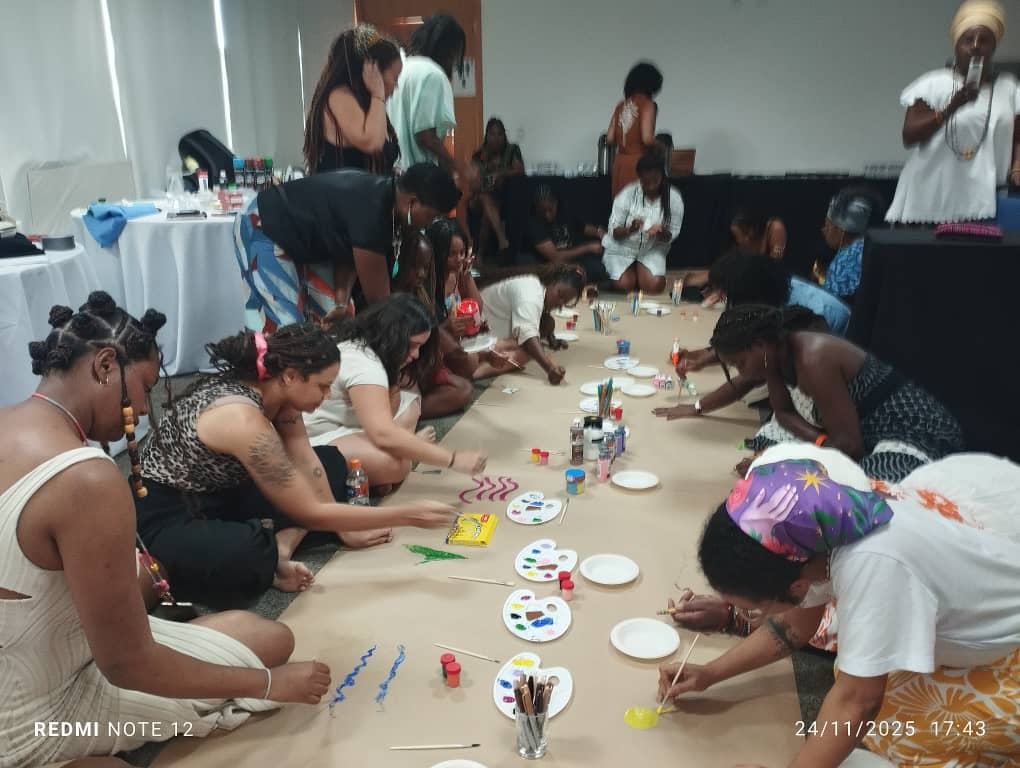
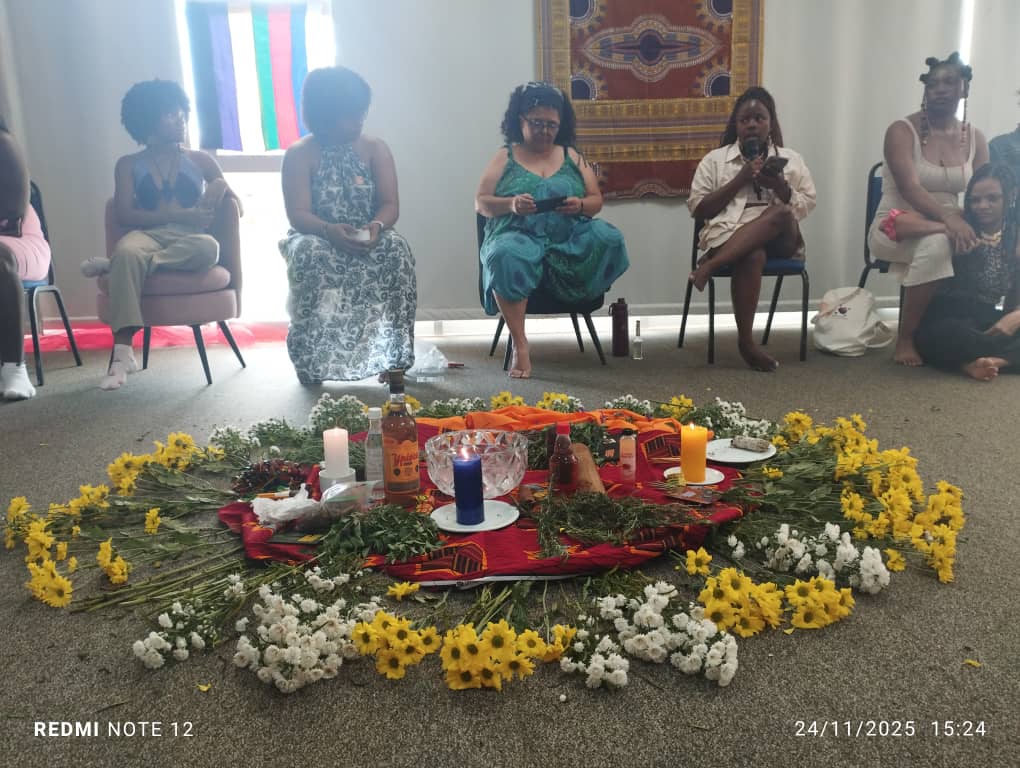
On November 24, black and mixed-race women of Affective Palenque And members of the Caribbean Bloc held a spiritual and political gathering to collectively prepare for the march. There, they created a large mural called “Caribbean World”, which captured dreams, challenges and strategies from ancestral knowledge and diverse bodies.
The experiences of the migrationStructural racism and cross-border violence emerged as shared pain points among the participants. sexual dissidence They played a central role, contributing critical perspectives from anti-racism, cross-border issues, and the defense of life.
If you would like to receive more information about CLACSO's training programs:
[widget id=”custom_html-57″]
to our email lists.

