South-South cooperation, anti-racist education and racial justice in the territory
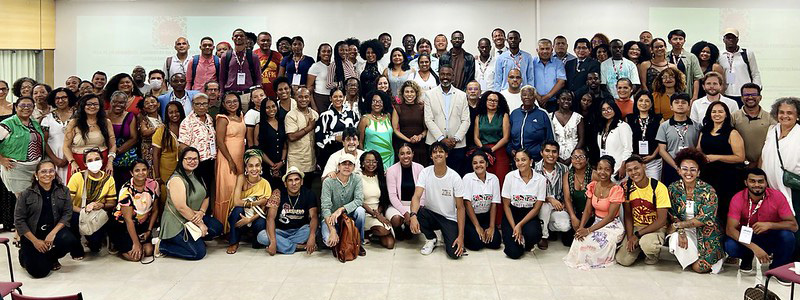
From November 24 to 28, the Federal University of Maranhão (UFMA), in São Luís, Brazil, hosted the Brazilian edition of the South-South Exchange Program Caminhos Amefricanos, which articulated the VI International Seminar on Afro-Brazilian Trajectories, VII International Colloquium on Anti-Racist Policies in the World, XIII Interdisciplinary Week of African and Afro-Brazilian Studies and I Research Seminar of the Postgraduate Program in African and Afro-Brazilian Studies (PPGAFRO)The edition brought together academic delegations from Angola, Peru, the Dominican Republic, and Brazil.
The program was organized by the Interdisciplinary Center for African and Afro-Brazilian Studies (Niesafro), the Bachelor's Degree Program in African and Afro-Brazilian Studies (Liesafro), and PPGAFRO, with institutional collaboration with the Ministry of Racial Equality (MIR), the Brazilian Service for Support to Micro and Small Enterprises (SEBRAE), and the Coordination for the Improvement of Higher Education Personnel (CAPES), and was supported by Latin American Council of Social Sciences (CLACSO)The initiative promoted academic exchange, South-South international cooperation, and training in anti-racist education.
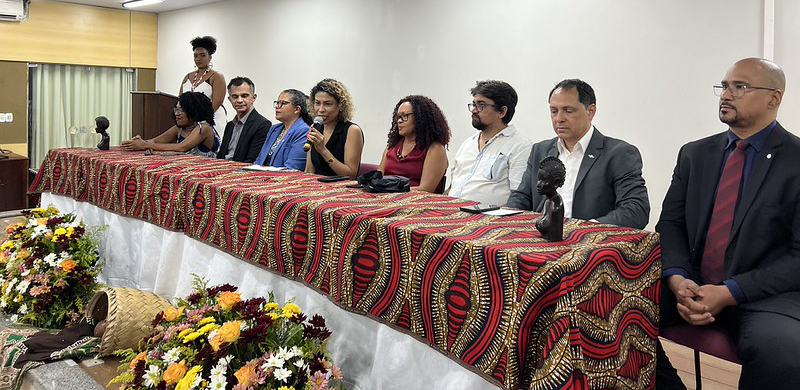
The opening was marked by the Solemn Reception Ceremony for the international delegations and the inaugural conference “Black Intellectualism, Scientific Research and Emancipatory Knowledge”, in charge of the teacher Maria de Lourdes Siqueira, with the institutional participation of UFMA authorities.
The Brazilian edition of the Caminhos Amefricanos South-South Exchange Program began with a direct immersion in the territory and the social fabric that gives meaning to the project. The first activity took place at the SEBRAE Maranhão headquarters, where delegations from Peru, Angola, and the Dominican Republic were welcomed with a typical Brazilian breakfast and a day of work dedicated to the link between education, identity, and community economy.
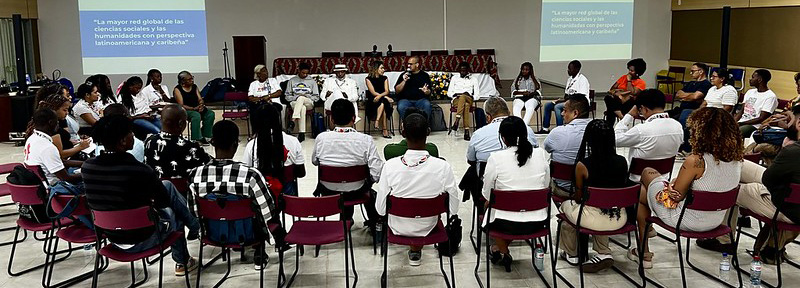
During the opening, two central panels were developed: “Entrepreneurship to transform: entrepreneurship as a path to social and educational impact” y “Entrepreneurship and identity: educational and productive practices in quilombola territories”These sessions allowed for reflection on the role of collective work, the Black economy, and autonomy strategies as concrete tools for racial justice. This first day set the tone for the entire event: training, public policy, and local experience articulated within a single agenda.
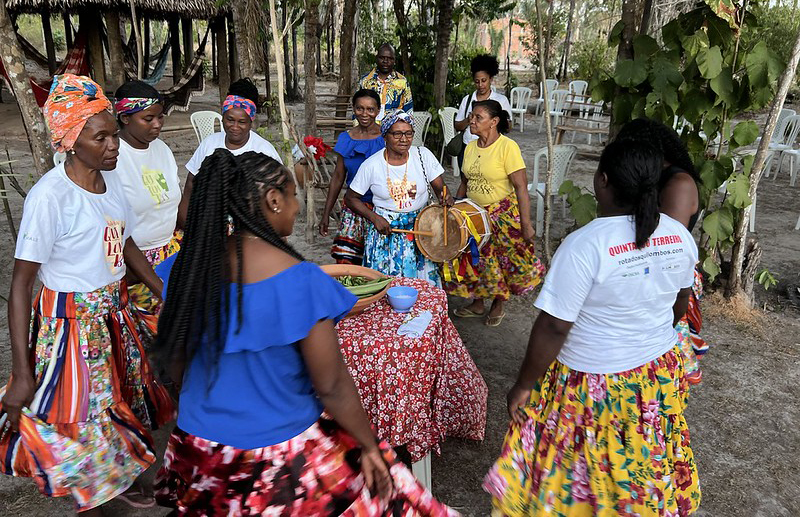
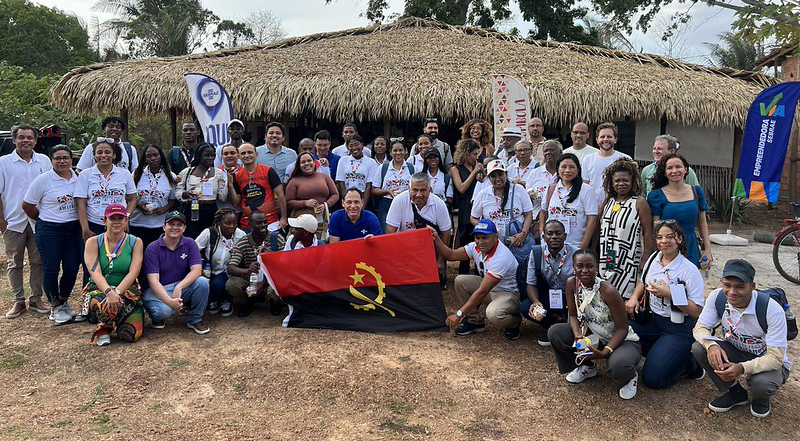
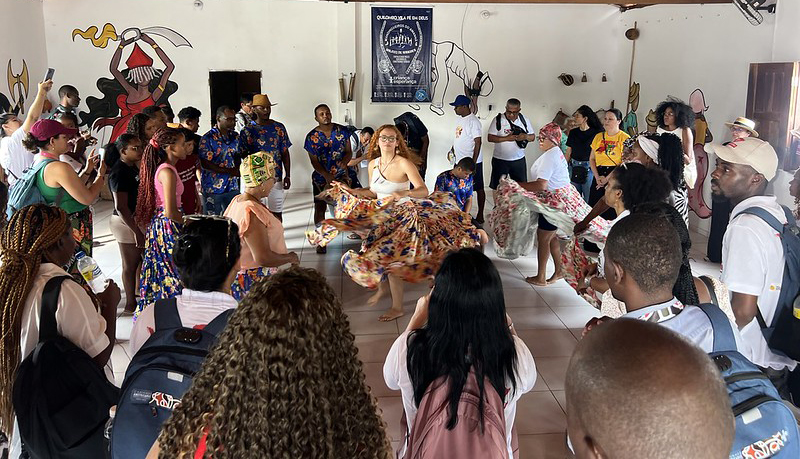
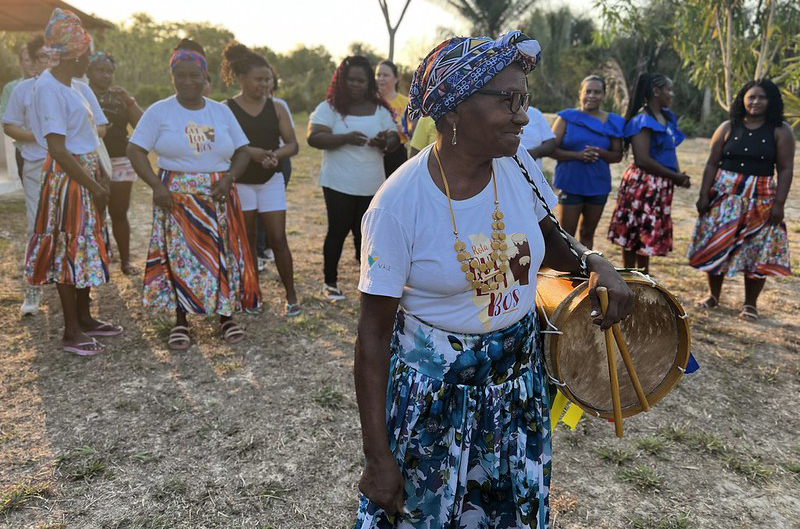
The second stage of the exchange took the delegations to the municipality of Santa Rita, where a community experience was carried out in the quilombos Fé em Deus and Outeiro (Connection). The visit included exchanges with local leaders, cultural immersion, sustainability practices and transmission of ancestral knowledge, consolidating the situated and experiential nature of the program.
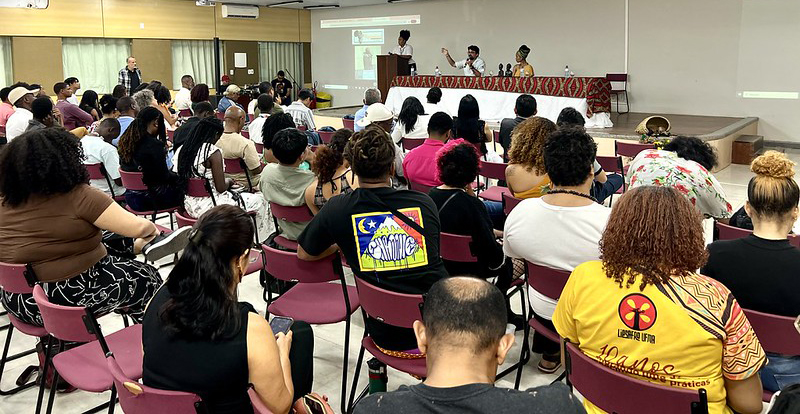
From there, the program moved to the city of São Luís, where the VI International Seminar Caminhos Amefricanos, the VII International Colloquium on Anti-Racist Policies in the World, the XIII Interdisciplinary Week in African and Afro-Brazilian Studies, and the I Research Seminar of the Postgraduate Program in African and Afro-Brazilian Studies (PPGAFRO), based at the Federal University of Maranhão (UFMA), are taking place. The activities bring together academic and social delegations from the Dominican Republic, Angola, Peru, and Brazil.
The Brazilian edition is set in a territory deeply marked by African heritage. The state of Maranhão is home to approximately 24% of the country's quilombola communities and has a predominantly Black population, close to 79%. This is not merely a demographic fact: it is political, historical, and cultural. Amefrican Pathways does not unfold here in the abstract, but rather in direct dialogue with living communities, active memories, and ongoing struggles.
Alongside the academic events, the cultural program also occupies a central place: film noir, capoeira, crioula drum and other Afro-Brazilian expressions accompany the meeting as a constitutive part of the pedagogical and political process.
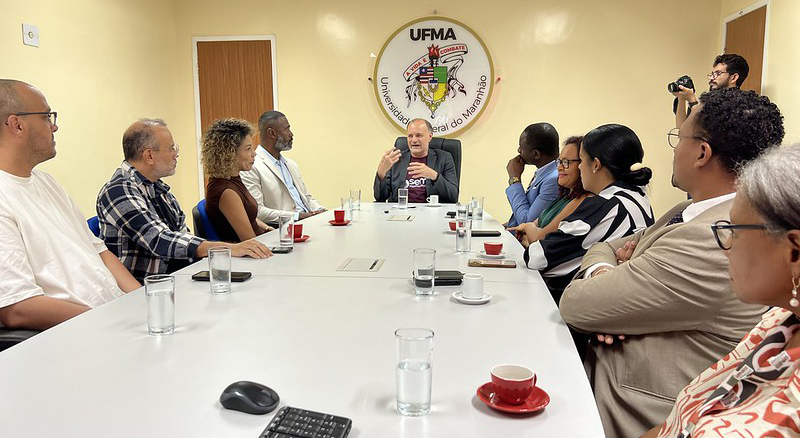
In the lead-up to the closing panel, representatives from the various delegations and academic institutions present at the Brazil edition were received by the rector of the Federal University of Maranhão (UFMA), Fernando Carvalhoand by the vice-rector Flavia Nascimento, in a working meeting specifically focused on discussing strategic alliances to strengthen academic cooperation, joint research and anti-racist training programs.
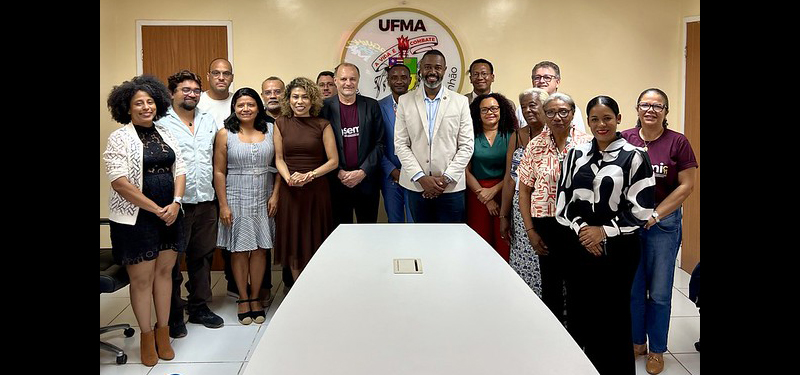
The closing ceremony was attended by the highest authorities of the Ministry of Racial Equality (MIR) present at this edition: Tiago Santana, Secretary of Affirmative Action Policies, Combating and Overcoming Racism; Kátia Regis, coordinator of Racial Justice; and Unborn ChildDirector of Policies to Combat and Overcome Racism. The academic leadership was accompanied by authorities from UFMA and Samarone Marinho coordinator of the Amefricanities Observatory, consolidating a closing with a strong political and institutional impact.
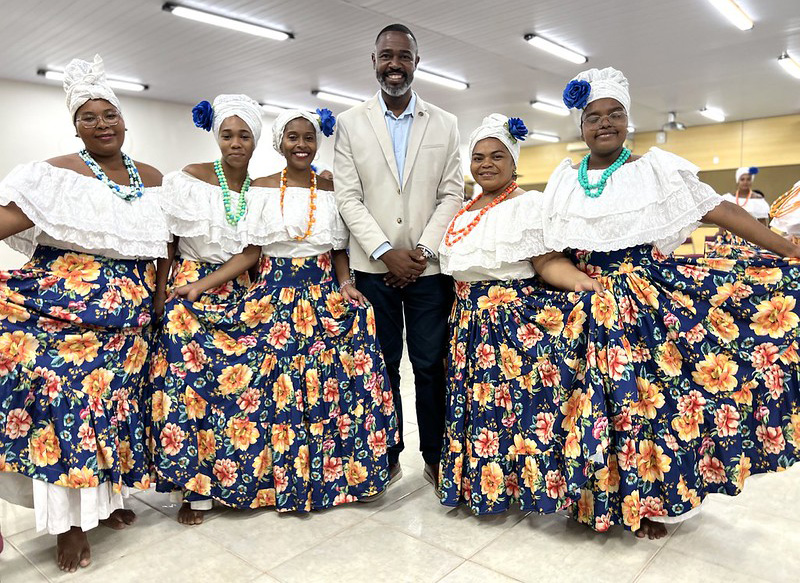
The Federal University of Maranhão plays a structural role in the implementation of the program, under the coordination of Cidinalva Câmara, a professor and researcher at the institution and one of the main driving forces behind the project. In turn, SEBRAE plays a strategic role as a funding body, ensuring the financial resources that make the exchange possible and reaffirming the importance of public investment in racial inclusion policies and critical thinking.
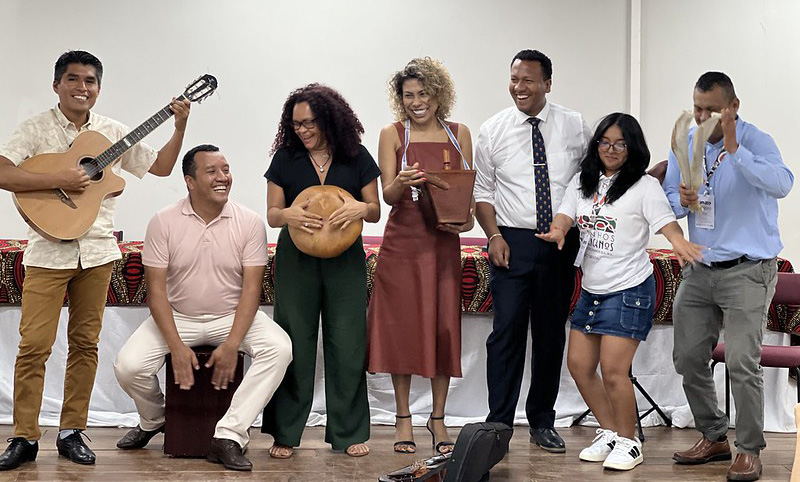
El Latin American Council of Social Sciences (CLACSO) actively participates in this edition as part of its strategic commitment to racial justice, the production of critical thought, and South-South international cooperation. Representing the institution, Federico Pita It integrates debate tables, spaces for political articulation and instances of academic exchange, strengthening regional dialogue around anti-racist public policies and emancipatory education.
The academic program includes roundtables on racial equality policies, anti-racist education, international cooperation and Afro-diasporic knowledge, as well as research seminars and PPGAFRO working groups, consolidating Caminhos Amefricanos as a regional platform for knowledge production from the Global South.
The Caminhos Amefricanos Program is part of the Brazilian State's inter-ministerial policy for the decolonization of curricula, the implementation of education in African and Afro-Brazilian History and Culture, and the promotion of teacher training committed to racial justice.
Through its sustained participation, CLACSO reaffirms its commitment to regional integration, the strengthening of Afro-Latin American intellectual networks, and the construction of a common agenda against structural racism in the Global South.