
Building structural equity
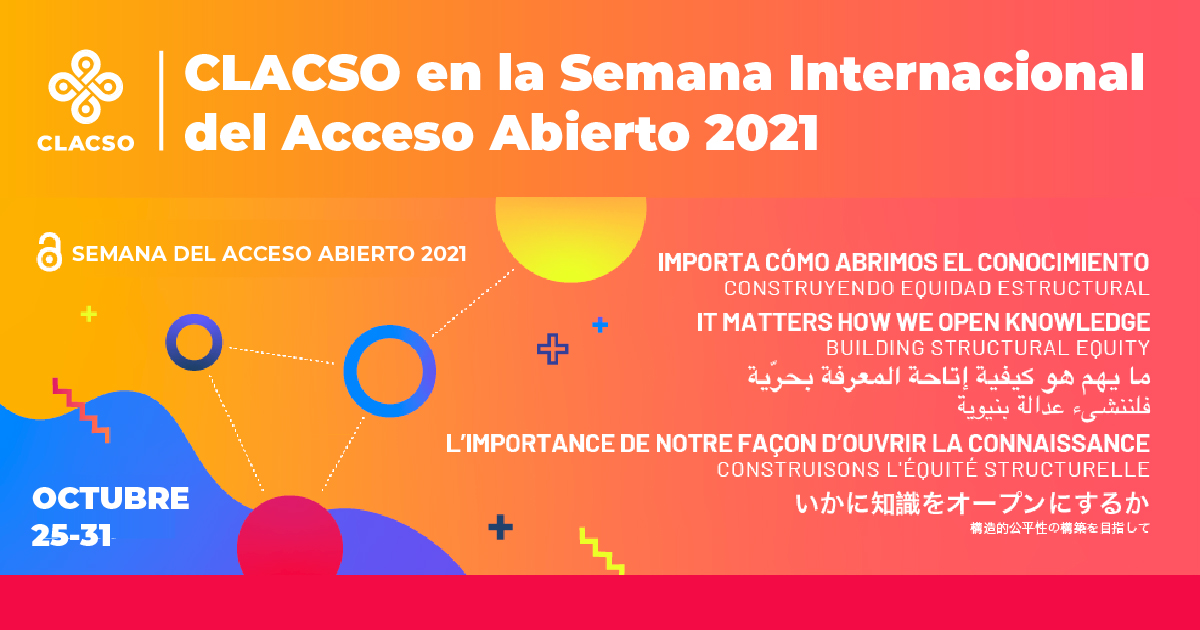
From October 25 to 31, International Open Access Week 2021 will take place based on the slogan “How we open up knowledge matters—Building structural equity".
This year's theme is intentionally aligned with the recently published UNESCO Recommendation on Open Science, of which open access is a crucial component.
Diversity, equity, and inclusion must be prioritized and integrated into open knowledge processes, from how we build our infrastructure to how we organize community discussions and the governance structures we use. International Open Access Week is an important opportunity to catalyze new conversations, create connections across and between communities that can facilitate this co-design, and advance the building of a more equitable foundation for open knowledge.
CLACSO will have a presence at several events and activities. Among others:
-Wednesday 27th:
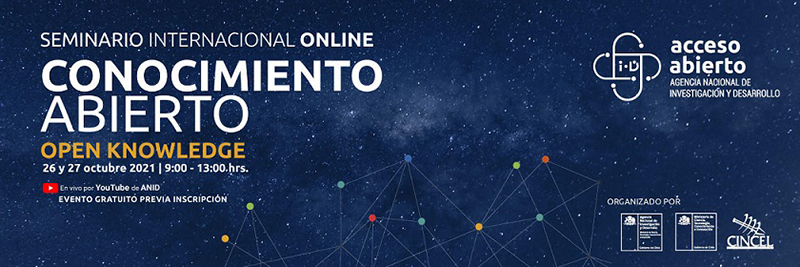
-International Seminar “Open Knowledge”, organized by the National Research and Development Agency (ANIDs), in conjunction with the Consortium for Access to Electronic Scientific Information (CHISEL). Panel “The path towards open science in the Ibero-American space".
Panelists:
María Soledad Bravo, Executive Secretary of the CINCEL Corporation, Consortium for Access to Electronic Scientific Information.
María Fernanda Beigel – Argentina. President of the UNESCO Open Science Advisory Committee and principal researcher at the National Council for Scientific and Technical Research (CONICET).
María del Pilar Rico – Spain. Head of the Open Access, Repositories and Journals Unit of the Spanish Foundation for Science and Technology (FECYT).
Bianca Amaro – Brazil. President of LA Referencia and Coordinator of the Brazilian Open Access Program (IBICT).
Dominique Babini, Open Science Advisor at the Latin American Council of Social Sciences (CLACSO).
Laura Rovelli – Coordinator of the Latin American Forum on Scientific Evaluation (FOLEC) of CLACSO and member of the Advisory Council of the San Francisco Declaration on Research Assessment-DORA.
-Thursday 28th:
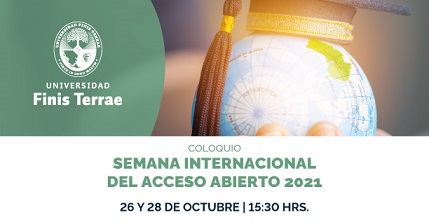
Latin American Forum on Scientific EvaluationFOLEC, and the debate on the different dimensions of academic evaluation, organized by the Faculty of Humanities and Communications of the Finis Terrae University, with the participation of Laura Rovelli and Matías Ayala.
FOLEC-CLACSO Open Class organized by the Higher Diploma in Editorial Policies and Management of CLACSO.
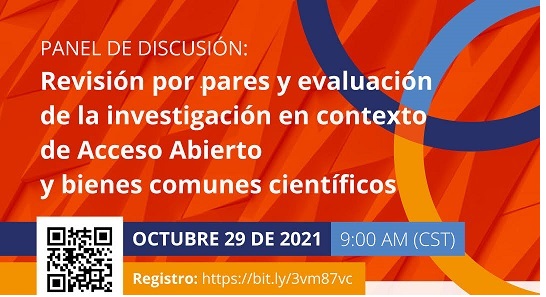
-Webinar "Peer review and evaluation of research in the context of Open Access and the scientific commons"Organized by: UNESCO, CLACSO, REDALyC, with the participation of Bhanu Neupane (UNESCO), Pablo Vommaro (CLACSO), Laura Rovelli (CLACSO/FOLEC) and the presentation by Eduardo Aguado López (Redalyc, UAEMex).
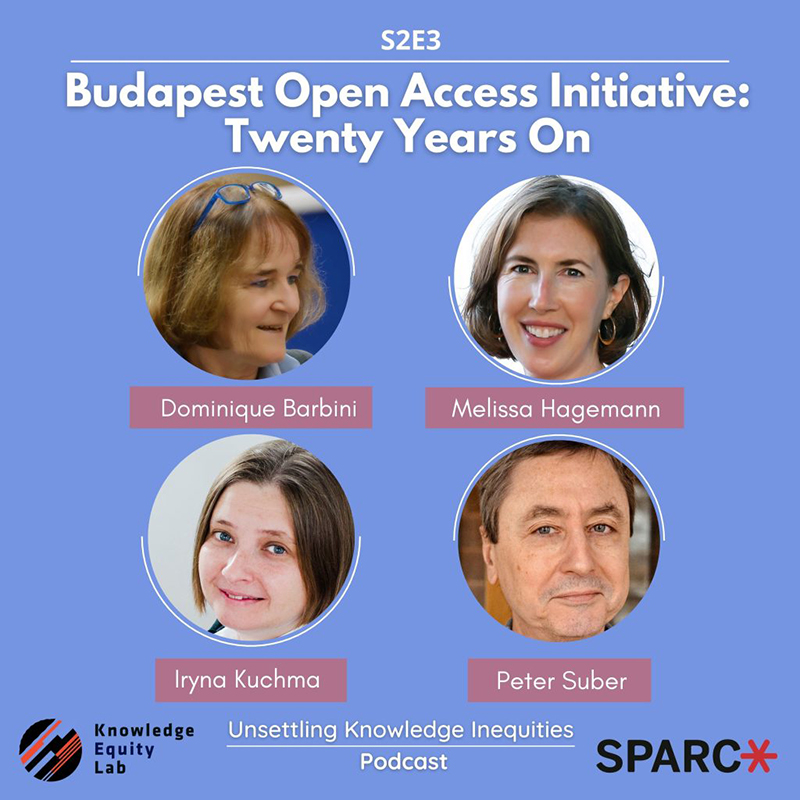
-During Open Access week: Budapest Open Access Initiative: Twenty Years Later. Organized by: Knowledge Equity Lab
Podcast in which Melissa Hagemann, Senior Program Officer at Open Society Foundations; Peter Suber of Harvard's Office for Scholarly Communication; Iryna Kuchma, Program Manager for Open Access in Electronic Information for Libraries and Dominique Babini, Open Science Advisor at CLASCO, the Latin American Council of Social Sciences; reflect on their collaboration over the past 20 years, as well as their hopes for open access in the coming years.
-Thursday, November 11:
FOLEC-CLACSO at the 1st Global Symposium on “Open and Inclusive Access to Research”, organized by the Social Sciences and Humanities Research Council of Canada (SSHRC), with additional financial and support provided by Eclac, FORCE11 and the Sloan Foundation.
The book “ will be presented at the eventRecent Trends in Open Science and Open Access Science Policies in Ibero-America"and the launch of the "Tool 2 FOLEC-CLACSO. To promote bibliodiversity and defend multilingualism".
For CLACSO, the Right to Information and Open Access to books and research is one of the central pillars of its practice, and thousands of materials are available on its website: More than 1.500 books for free download in the Latin American and Caribbean Social Sciences Library; more than 100.000 texts in the digital repository of the CLACSO Virtual Libraries Network; more than 350.000 articles in the CLACSO collection on Redalyc with open access and indicators from 850 social sciences and humanities journals in Ibero-America; more than 1.800 videos and podcasts on CLACSO.tv and CLACSO Radio; and the repositories of free lectures.

To mention just a few of the latest actions, we can highlight:
-Report “Recent trends in science policies and open access in Iberoamerica” by CLACSO with the Carolina Foundation of Spain.
-Latin American Essay Contest on Open Access 2020 “Open with Purpose: taking action to build structural equity and inclusion”, launched jointly by CLACSO with AmeliCA, Redalyc and UNESCO.
-Agreement with the Ayacucho Library of Venezuela for the dissemination of works.
-Agreement with the library of the National University of General Sarmiento of Argentina, which has more than 150 CLACSO books.
The InfoCLACSO event on Wednesday, October 27th will be dedicated to Open Access and the Right to Information, featuring important interviews and reports.
If you would like to receive more information about CLACSO's training programs:
[widget id=”custom_html-57″]
to our email lists.

