
How private property law affects land struggles in Argentina

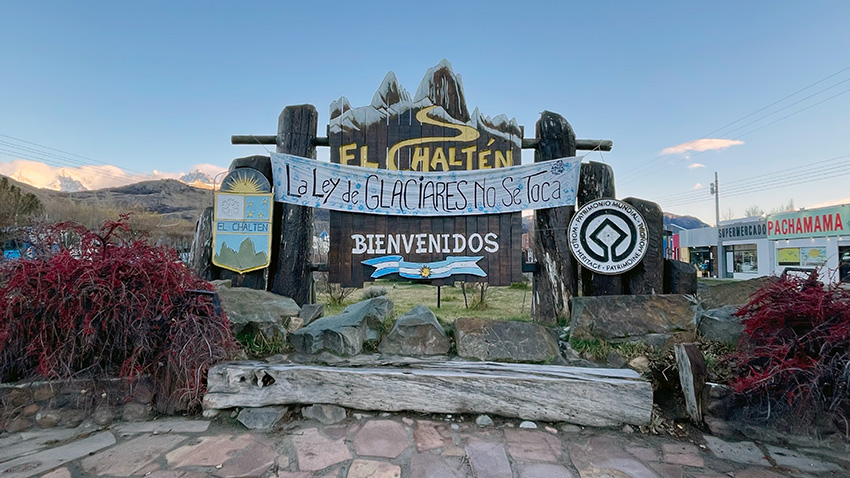
Despite its numerous maneuvers, and as a result of massive mobilization across the country, the Argentine government of ultraliberal Javier Milei was forced to withdraw Chapter Three of the “Law on the Inviolability of Private Property,” which had been sent to the Senate. This chapter sought to legislate on the “Regime for the Protection of National Sovereignty over the Ownership, Possession, and Tenure of Rural Lands,” thereby aiming to guarantee greater access to land for foreigners. In other words, it sought to deregulate the sale of territory to foreign capital in blatant violation of sovereignty and the protection of lands, borders, watersheds, and glaciers, among other things.
The parliamentary debate surrounding the modification of the Land Law (Law 26.737), which has just been cancelled, reopened a historic and crucial discussion for the region: sovereignty over the territory, the protection of common natural resources and the living conditions of the communities that inhabit the countryside, that is, the rural development model, the geopolitical orientation of strategic resources and equitable access to land and water.
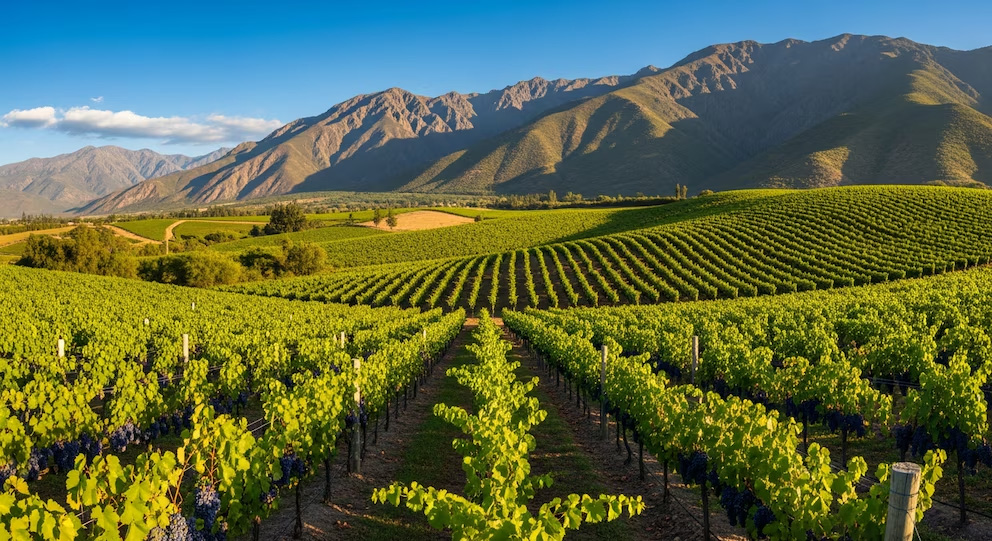
Law 26.737, enacted in 2011, established a regime of protection for national ownership of rural lands, setting a global and provincial limit of 15% for foreign ownership, along with specific limits on concentration in border areas and water basins.
The reform proposals of Milei's government—ranging from attempts at total deregulation to raising the limits on foreign ownership to 25% at the provincial level—threatened to dismantle public control mechanisms against the global phenomenon of land grabbing. Treating rural land as a speculative financial asset or a real estate commodity would postpone its basic social and environmental function: guaranteeing local food production and the balance of ecosystems.
From the perspective of the social sciences and humanities in Latin America and the Caribbean, the legislative treatment puts structural aspects at risk. Namely:
-Sovereignty and strategic commons: The relaxation of national and provincial borders does not affect the territory uniformly. Lacking strict local safeguards, transnational capital tends to concentrate in key areas such as freshwater sources, mountain ranges, wetlands, and lands with high agricultural productivity or mining and energy potential.
-Food sovereignty and family farming: Increased financial competition for land leads to higher land rents and increased food production costs. This displaces family, peasant, and indigenous farming, forcing small producers to abandon rural areas or become subject to precarious lease agreements.
-Territorial rights and local conflicts: Providing greater facilities for the acquisition of land by foreign companies and investment funds exacerbates pre-existing territorial conflicts, making invisible the community and historical forms of possession and sustainable use of land.
It's good to know that the opposition to this law was built, among other contributions, on information produced by the Land Observatory of the Agrarian History Research Program at the Faculty of Economic Sciences of the University of Buenos Aires. Matías Oberlín and Pablo Volkind, who are members of the CLACSO Working Group on "Agrarian Histories," are part of the Land Observatory.
Following the removal of the section on the Land Law, the "Inviolability of Private Property Law" bill was debated in the Senate on Thursday, August 6, maintaining the reform of nearly 50 articles that accelerate evictions, toughen expropriations, and change the rules on private property.
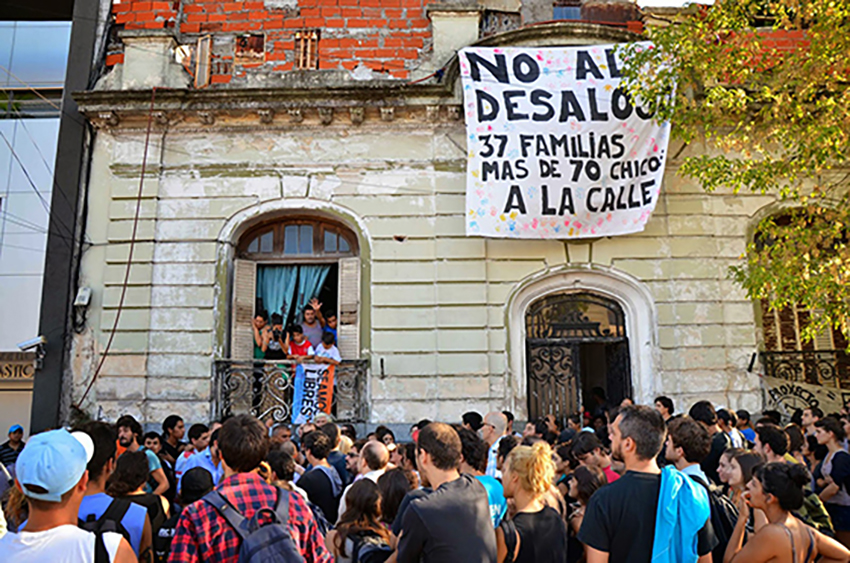
One of the most significant changes accelerates the legal process for recovering property. Cases will now be processed more quickly, and in some instances, a judge may order the restitution of the property before the trial concludes if they deem the owner's right sufficiently proven.
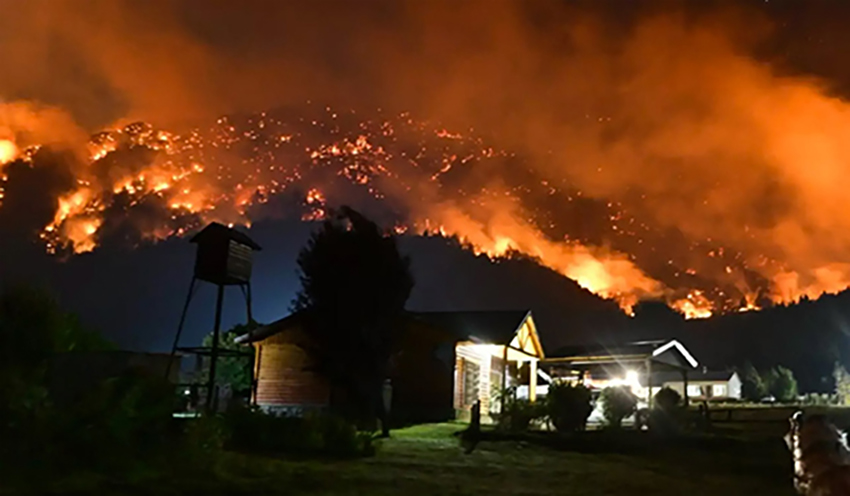
However, inside the legislative building—while police brutally repressed protesters in the Plaza de los Dos Congresos—the ruling party suffered a second setback when it had to remove another of the most contested points from the bill: the amendment to the Fire Management Law . The current legislation has for decades prevented changes in land use on fire-affected land to prevent it from being set ablaze for real estate, tourism, or agricultural purposes. The bill eliminated some of these restrictions and limited protection to a smaller group of lands and wetlands. With this change, the government sought to facilitate future development on burned land and weaken a tool created to discourage arson.
The bill, which has passed the Senate and now goes to the Chamber of Deputies, changes the rules for the State to expropriate property when it needs to carry out a project of public interest. Until now, if the State needed land to build a road, a hospital, or a school, it had to justify the public utility and pay compensation for the value of the property.
The reform adds requirements and increases the amount that must be paid: in addition to the property price, it can include the profits the owner claims to have lost, a concept known as lost earnings. The change makes expropriations more expensive and could slow down or make projects needed by the population more difficult to complete. In practice, a road that needs land, a hospital that requires expansion, or a school that must be built in a neighborhood could be delayed if the State cannot cover the new costs. The government maintains that this legislation seeks to protect property rights; its critics warn that it ends up creating more obstacles to public investment and that the cost may ultimately be borne by society with less infrastructure or with projects that take longer to complete.
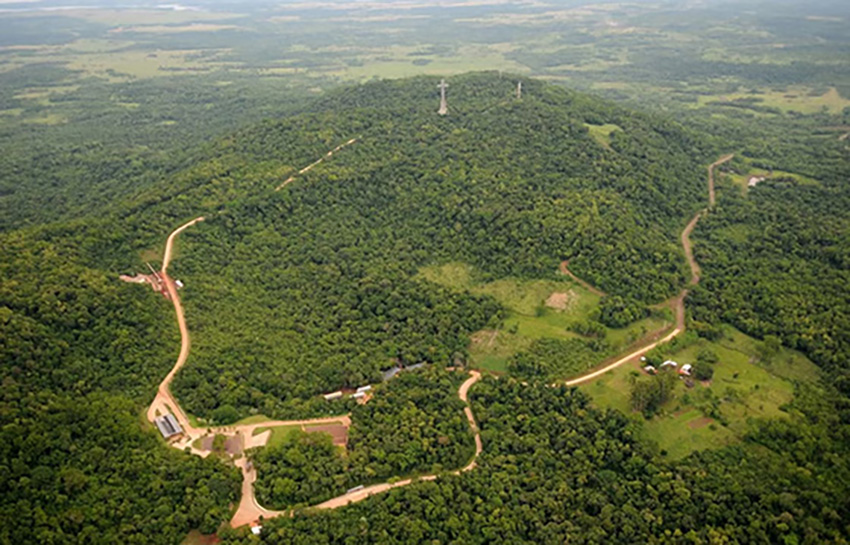
Latin America remains one of the regions with the greatest inequality in land distribution and ownership in the world. Regional experience demonstrates that the deregulation of rural real estate markets deepens the dependence on primary sector production, encourages enclave-based extractive models, and undermines the self-determination of communities over their ancestral lands.
The Latin American Council of Social Sciences reaffirms the urgent need to promote public policies grounded in empirical research, socio-territorial equity, and respect for the rights of rural communities and Indigenous peoples. Land represents a space for life, identity, and social reproduction; regulating its tenure is not an obstacle to development, but rather an essential condition for safeguarding national sovereignty, regional sustainability, the protection of common natural resources, and the living conditions of rural and Indigenous communities.
In short, land is a space for life, identity, and food sovereignty, and not merely a tradable commodity at the service of international financial speculation.

