Call for evidence: How are universities protecting student activism?
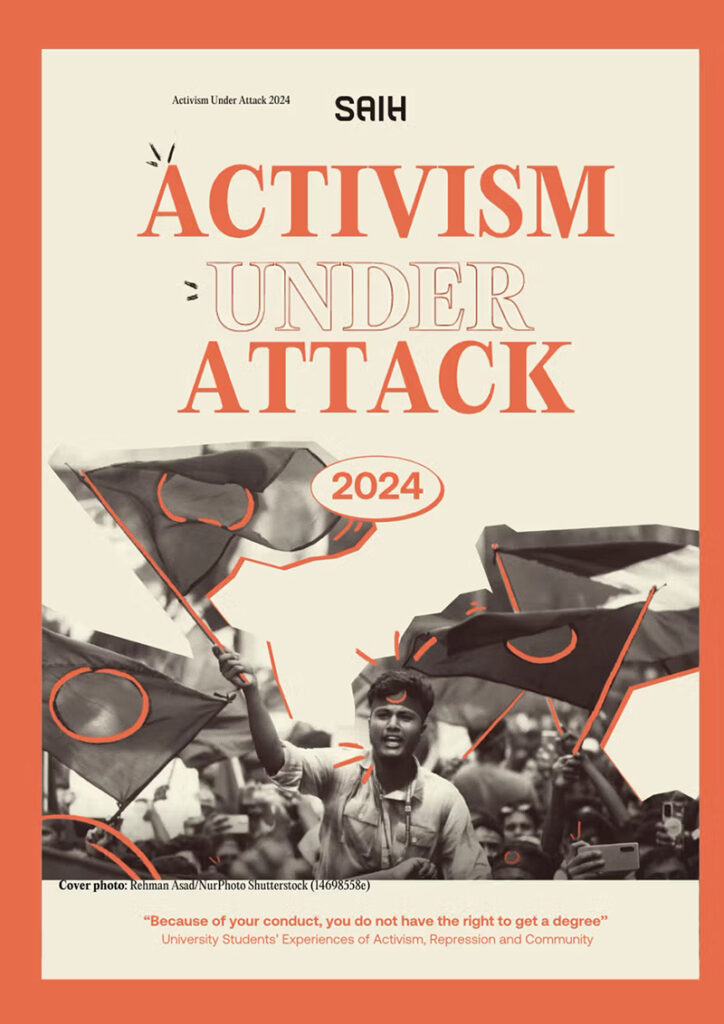
Around the world, student activists continue to play a vital role in defending human rights, democracy, and social justice. However, they face intimidation, surveillance, sanctions, and criminalization. As repression intensifies, it is urgent to understand how student activists are being protected and what initiatives are working.
El Center for Research in Economics and Society of the Central University of Chile (ESOC), as well as the Norwegian Fund for International Student and Academic Assistance (SAIH) They have launched a Call for Evidence, which seeks to gather information on formal and informal initiatives to protect the civic and political rights of student activists.
These initiatives may include actions driven by universities, federations and student centers, as well as by officials, academic staff, civil society organizations, community organizations, transnational networks or by the students themselves, that seek to protect the right of students to express themselves, meet and organize freely from universities and their contexts.
The study is led by Hector Rios-Jara (Central University of Chile) and Chris Millora (Goldsmiths, University of London). The project's findings will be published in a report that will form part of campaigns to defend academic freedom and protect student activism. The report is part of a new phase of SAIH research focused on analyzing initiatives to protect student activism in universities and the ways in which students resist repression and safeguard their rights.
Submission deadline: February 15
How to contribute?
We invite students, activists, academics, civil society organizations, and anyone with relevant experience to review the call and complete the online survey.
ACCESS TO THE SURVEY
The information gathered will be crucial in strengthening efforts to protect student activists worldwide. Together, we can help ensure that universities remain spaces for free expression, critical thinking, and democratic participation. The form will be open until February 15, 2026.