
CLACSO at the SUR Forum 2026
The Southern Program – Strategic Program for Support and Strengthening of South American Integration – is an initiative of the Institute of International Studies of the University of Chile , developed with the support of CAF (Development Bank of Latin America and the Caribbean).
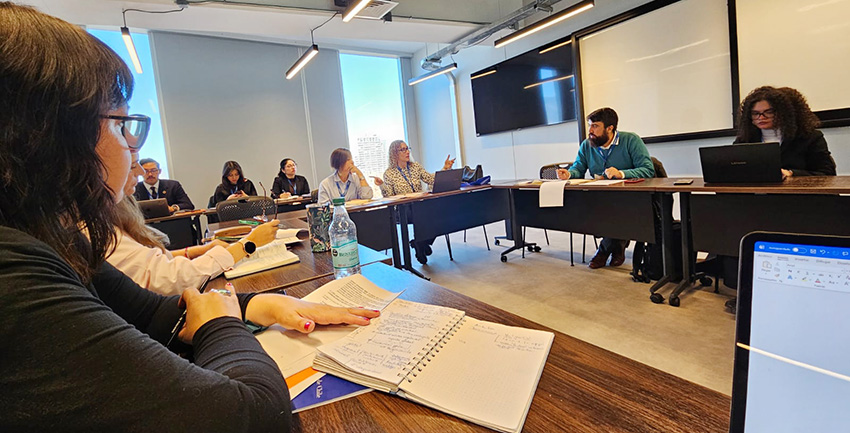
Within the framework of this program, the SUR 2026 Forum was organized on May 25 and 26 , which seeks to consolidate itself as a regional platform for strategic dialogue aimed at generating proposals that contribute to strengthening South American integration in an international context characterized by geopolitical tensions, technological transformations and transnational challenges that require coordinated responses.
Perspectives from the public sector, academia, the private sector, and civil society were brought together. The roundtables addressed four strategic dimensions for South American integration: ● Physical, energy, and digital infrastructure ● Innovation and economic transformation ● Regional security and the fight against organized crime ● Higher education and knowledge integration. These areas are fundamental pillars for strengthening regional connectivity, promoting productive transformation, and developing institutional and human capacities that will enable progress toward more effective, sustainable, and competitive integration.
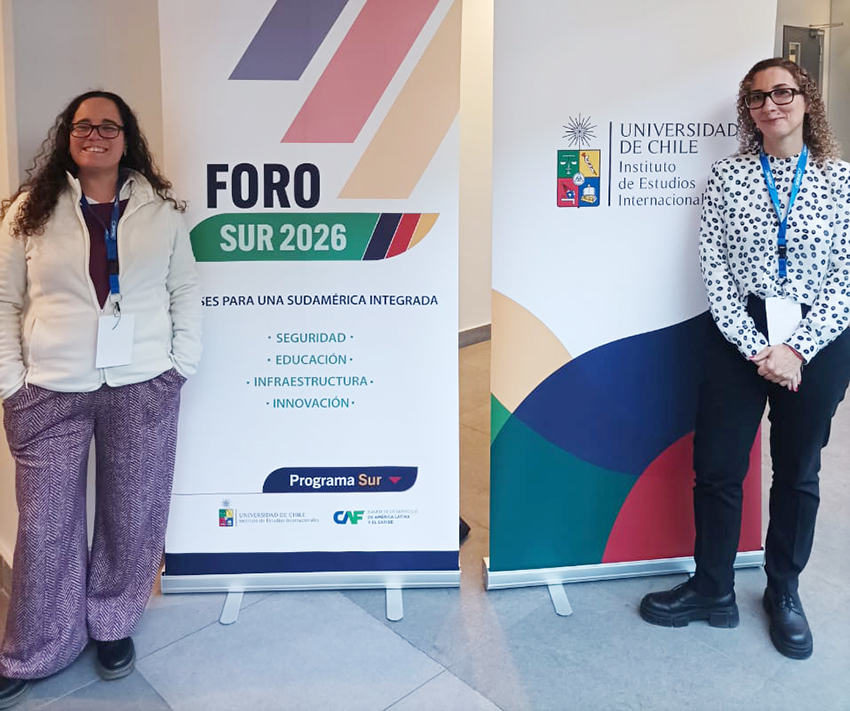
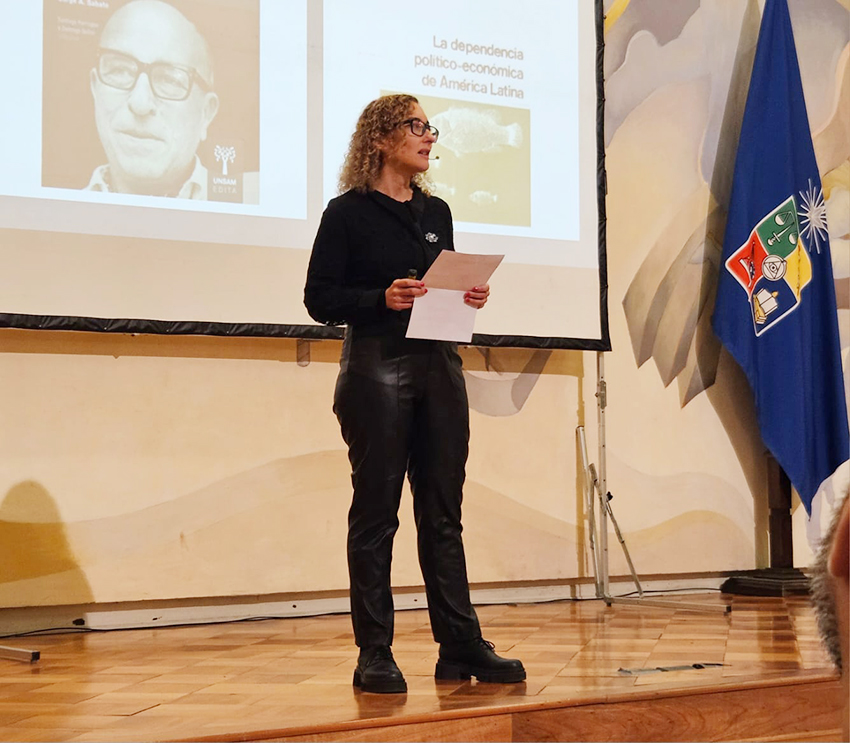
Fernanda Pampín , Director of Publications at CLACSO, and Daniela Perrotta , Coordinator of FOLEC, participated on behalf of CLACSO in the “Roundtable on Higher Education and Regional Integration.” The core of the meeting, which also included students from various Southern Cone countries, focused on identifying critical gaps and, primarily, defining concrete proposals for cooperation and regional integration. CLACSO's participation reflects the need to move from a declarative approach to operational and functional regional integration.
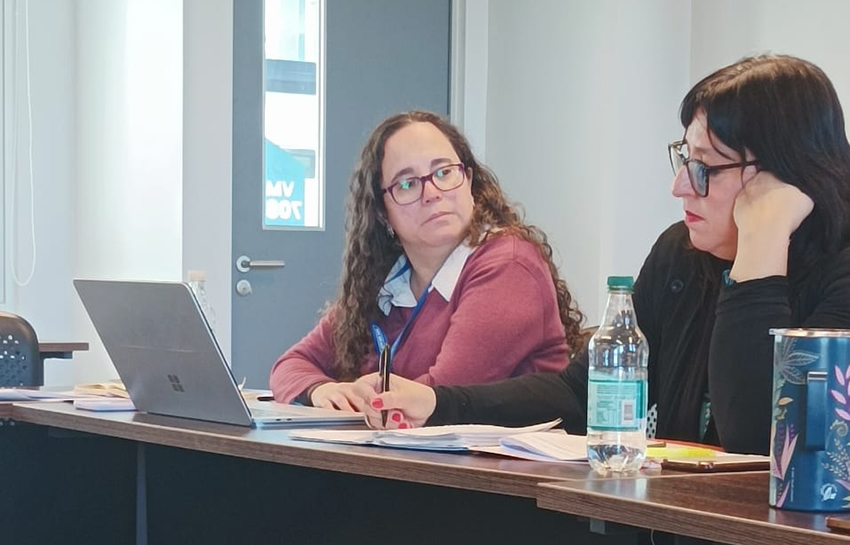
In this regard, emphasis was placed on the absence of coordinated national and regional public policies, on insufficient funding, which generates dependence on research agendas of the Global North, on linguistic barriers, economic and geographical inequality in mobility and bureaucratic obstacles, both in regulatory frameworks and in the homologation of degrees and mutual recognition of credits.
At the same time, proposals included internationalization at home (implementing intercultural dimensions in local programs to benefit all students without requiring physical mobility), strengthening regional networks to develop research agendas based on socioeconomic challenges shared by the region, creating shared evaluation criteria to foster institutional trust and knowledge circulation with greater relative autonomy, supporting open science, and promoting digital and hybrid models. Finally, the importance of regional scientific funding mechanisms that prioritize social relevance and South-South collaborative research was emphasized.

